A dry upland valley with Kerala's only natural sandalwood forests, ancient stone burial chambers, rock paintings and traditional jaggery making.
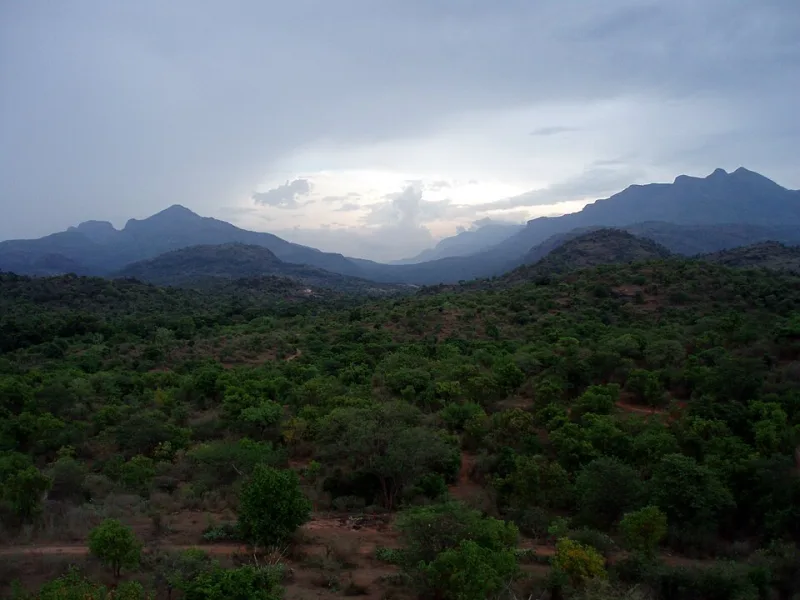
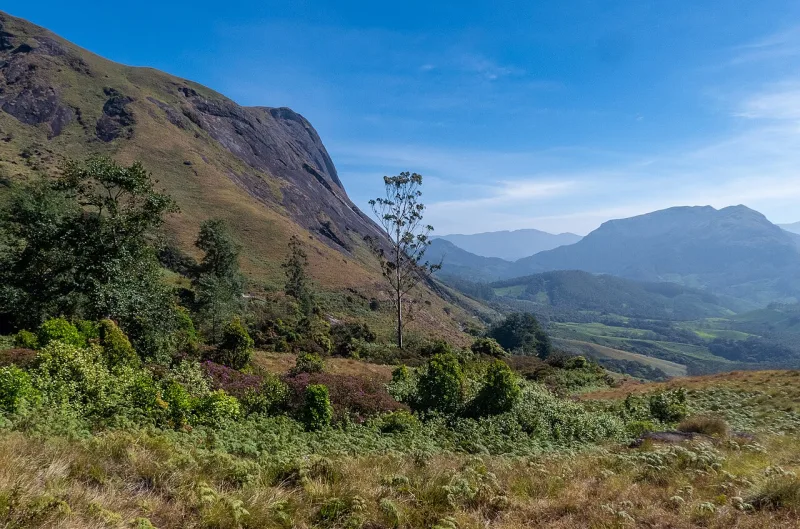
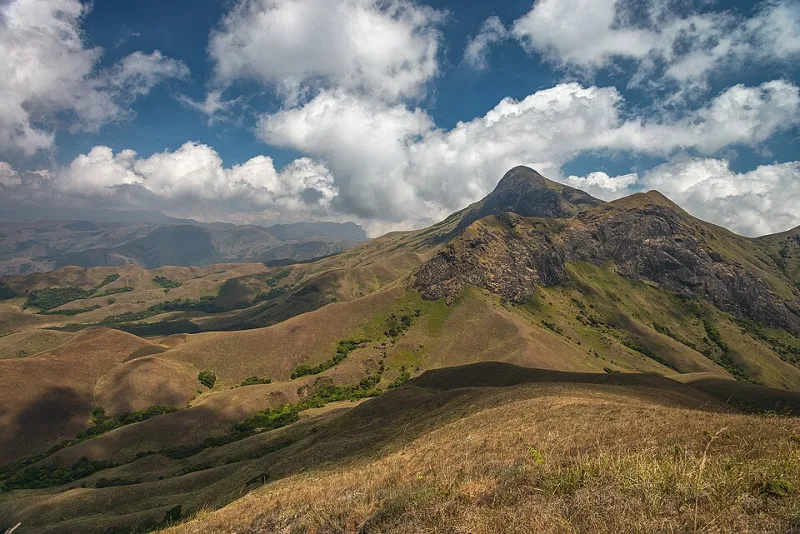
North of Munnar the road leaves the dripping tea slopes and descends into a different world. Marayoor sits at around 990 metres in a rain shadow valley, with bright skies, dry air, sugarcane fields and rocky hills. It is the only part of Kerala where sandalwood grows naturally in forests.
The sandalwood is the first thing visitors notice. Along the roadside, slender trees stand in protected tracts, many with numbers painted on their trunks and surrounded by fences and guard posts, because the fragrant heartwood is very valuable and smuggling has long been a problem. Cutting, possessing or buying it outside legal channels is a serious offence. Products should be purchased only from authorised government outlets, and the forest department may offer information about the trees and the depot.
The valley is also an archaeological treasure. Scattered over several hillocks are dolmens, chambers built of large flat stones, along with other megalithic burial monuments erected many centuries ago, often dated to the Iron Age and early historic period. Standing among clusters of them, with mountains all round, is a memorable experience. Rock shelters nearby carry paintings of animals and human figures in red and white pigments. Local people link some structures with legends, while archaeologists continue to study them.
These remains are fragile and many are poorly protected. Do not sit or climb on dolmens, move stones, scratch names or wet paintings to make them show up. A local guide is essential to find the sites, explain them and avoid trespass.
Marayoor is famous for its jaggery, which has received a geographical indication. In small roadside units, cane is crushed, the juice boiled in wide pans and the thick syrup shaped by hand into dark balls. Visitors can usually watch; keep clear of fires and machinery and buy directly from the makers.
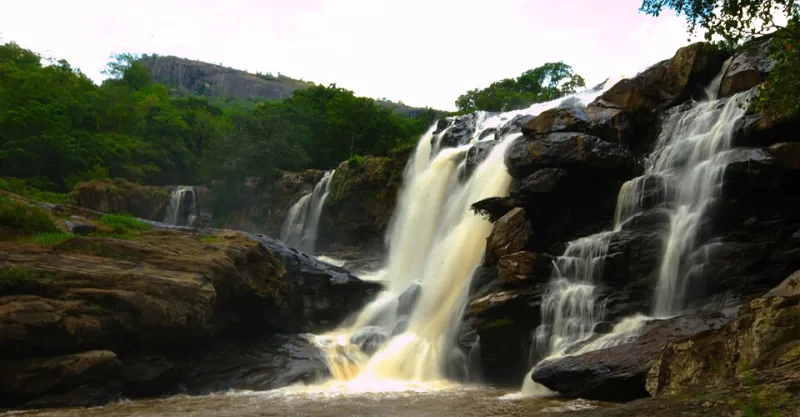
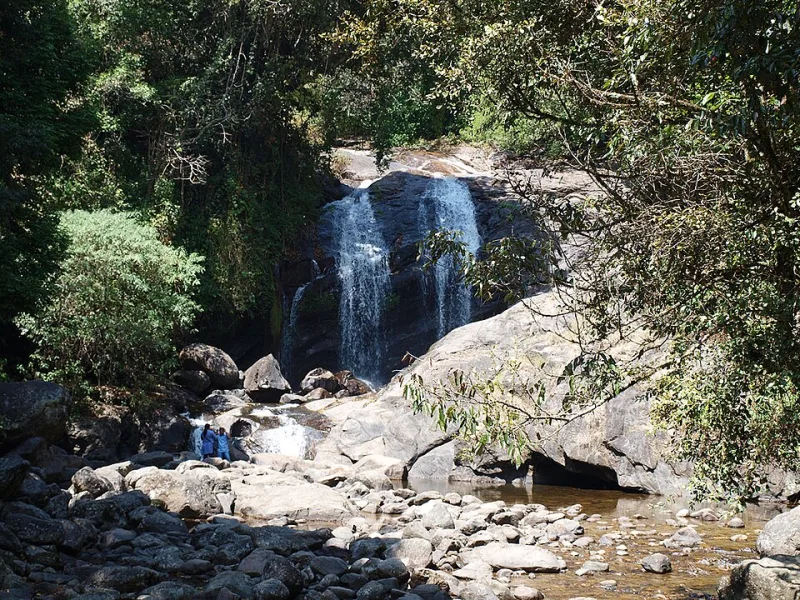
Other sights include fruit orchards at Kanthalloor higher up, where apples, plums, strawberries and vegetables grow in the cool climate, small waterfalls and the nearby Chinnar Wildlife Sanctuary along the road towards Tamil Nadu.
Allow half a day at least, or stay overnight in Marayoor or Kanthalloor to enjoy the quiet. Wear comfortable shoes, a hat and sunscreen, and carry water. Road bends are many, so travellers prone to motion sickness should prepare. Elephants and gaur may be on forest roads, particularly at dusk; stay in the vehicle and keep distance.
September to March offers pleasant weather and green or golden scenery. Because the valley receives much less south west monsoon rain than Munnar, it can be a good choice when the hills are wrapped in cloud, though roads should be checked after storms.
Marayoor rewards curiosity. In one day a traveller can smell fresh jaggery, see forest guarded like a treasury and stand beside tombs raised by people whose names are lost. It is a reminder that Idukki's story is much older than its tea estates. Visit gently, support local guides and leave every stone exactly where it lies, so that the valley keeps its record for those who come to read it. Verify guide arrangements before travelling.
Allow time to simply stop beside the road at a safe place and notice how different the vegetation, soil and light are from the wet western side of the hills. Farmers in the valley and in Kanthalloor often sell fruit, vegetables, honey and spices from small stalls; buying from them spreads the benefit of tourism. Children can be asked to imagine how the great slabs of the burial chambers were moved without machines, and to compare their guesses with what the guide explains. Take your litter back and keep voices low near the monuments and the villages around them.