A large fort of the fourteenth century ringed by seven hills at Devarakonda, linked with the Padmanayaka Velama rulers.
Between Hyderabad and Nagarjuna Sagar, a ring of rocky hills rises above the town of Devarakonda. Along their slopes and crests run the walls of one of the most extensive forts of Telangana, little visited compared with Golconda but impressive in its setting.
The name means the hill of the gods. The fort is associated with the Padmanayaka Velama chiefs, who ruled parts of the region from the fourteenth century after the decline of the Kakatiya kingdom, with Rachakonda and Devarakonda as their strongholds. They contended with neighbouring powers, including the Bahmani Sultanate, the Reddi kings and Vijayanagara, and the fort later passed to the sultans of Golconda.
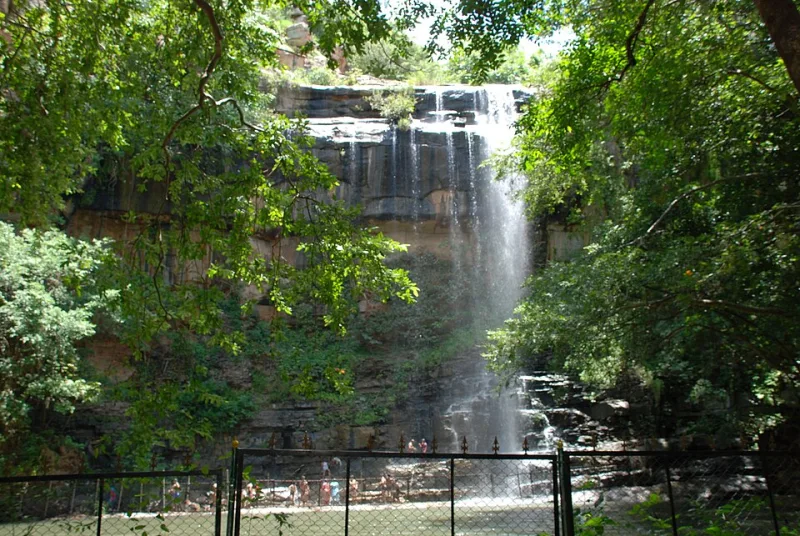
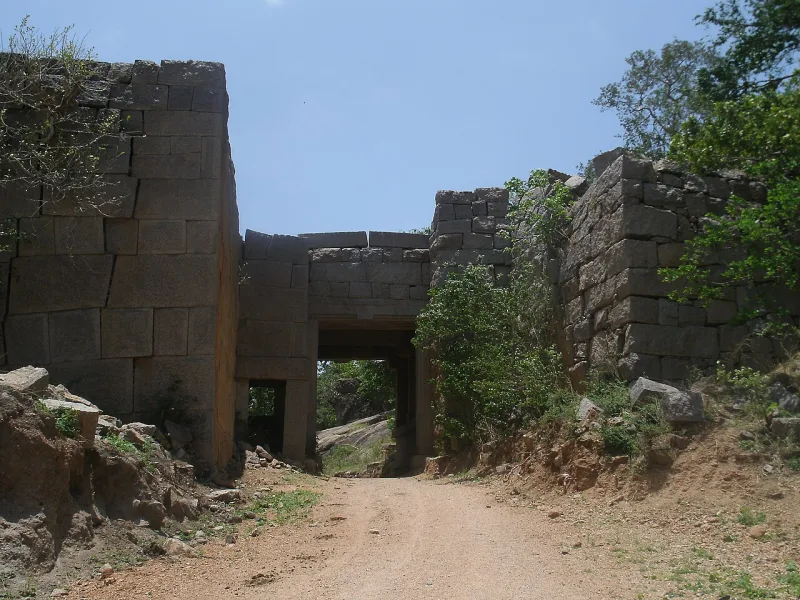
The defenders made masterly use of the terrain. Walls of large granite blocks connect the natural barriers of seven hills, enclosing a wide area with farmland and water sources that could sustain a garrison during a siege. Gateways with carved details, bastions, watch posts, stepped tanks, wells, granaries and the remains of temples are scattered across the site. Sculptures on some entrances, such as images of Hanuman, Ganesha or decorative animals, reward close attention.
Exploring takes time and stamina. Paths are uneven, vegetation can hide drop offs and signs are limited. Set out in the cool of the morning with at least two litres of water per person in warm weather, a cap, sturdy shoes and some food. Go with companions, tell someone your plan and consider hiring a local guide, who can show routes to the more interesting structures. Leave well before sunset.
Do not climb on loose walls or remove stones. Snakes and bees may be present, so watch where you put your hands. Avoid swimming in old tanks. Take rubbish back. Some conservation work has been undertaken, but much remains vulnerable to weather, treasure hunters and careless visitors.
Photographers will enjoy the combination of dry boulders, long walls and wide views. After the monsoon the hills turn green and water fills the tanks, creating the most attractive scenes. In summer the granite radiates intense heat and long exploration is unwise.
Facilities are limited to what the town provides, with simple restaurants and shops. Entry is generally informal, but check locally for any rules. The nearest comfortable hotels may be in Nalgonda or Nagarjuna Sagar.
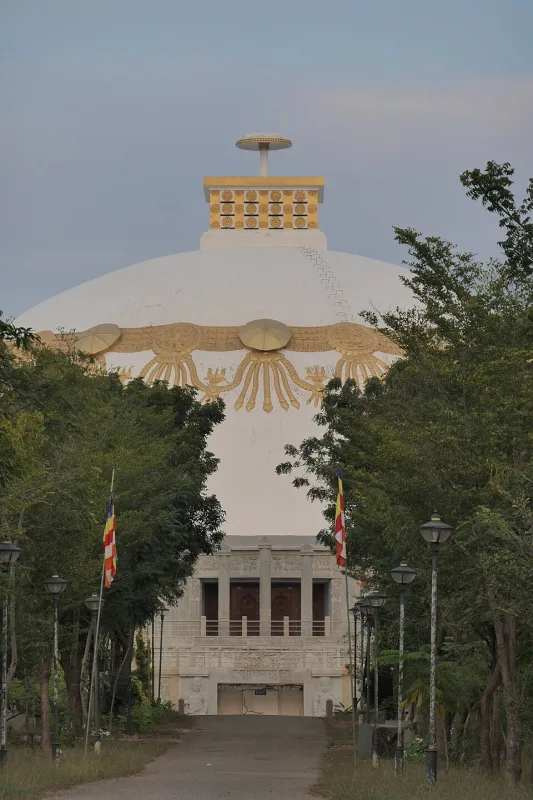
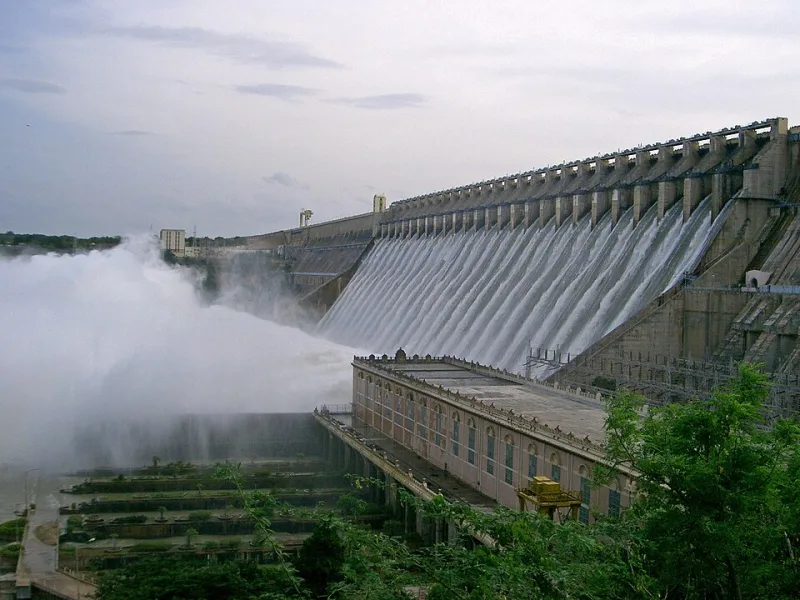
The fort fits into a heritage route. Continue to Nagarjuna Sagar for the dam and Buddhavanam, or travel to Rachakonda, the sister fort of the same dynasty nearer Hyderabad. The Chaya Someswara temple at Panagal is another rewarding stop in the district. Planning two days allows these without rushing.
October to February is the best season for walking, with clear light and tolerable temperatures.
Devarakonda appeals to travellers who like to discover history on foot, without crowds or polished presentation. Looking from a high bastion over the circle of hills, one understands why rulers chose it and how much labour was needed to turn a landscape into a defence. The silence today contrasts with the activity the walls once held. A responsible visit, curious and careful, helps to draw attention to a monument that deserves better recognition and protection. Return before dusk, tired but richer for the effort.
Ask townspeople about the current condition of the main path, since monsoon growth or fallen stones can change it. Mark your route at junctions in memory or on a phone map downloaded beforehand. If heat builds up, turn back after the lower gateways; the walls will still be there on a cooler day, and no view is worth the risk of exhaustion on an exposed slope.
Tell someone when you expect to be back down in town.
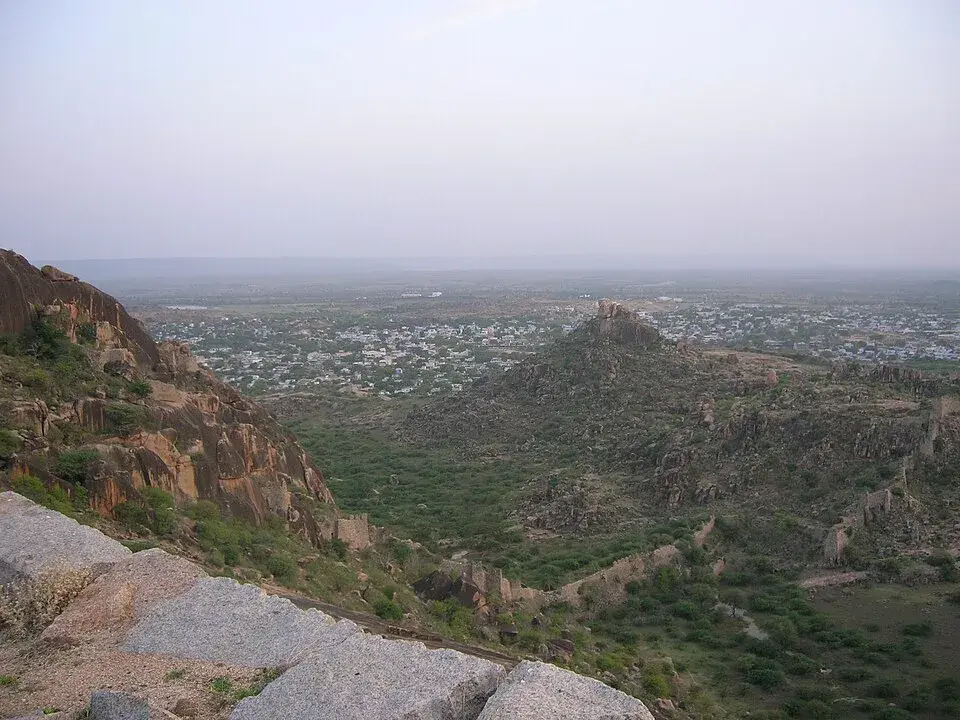 Photo: User:Ssjasper2003 · Public domain