One of the great masonry dams of the world across the Krishna, a spectacular sight when its crest gates open after heavy monsoon rains.
Across the Krishna river, on the border between Telangana and Andhra Pradesh, stretches a wall of stone that became a symbol of independent India's ambitions. The Nagarjuna Sagar Dam is a vast masonry structure that stores water for farms and cities in both states and generates electricity.
Prime Minister Jawaharlal Nehru laid the foundation stone in December 1955 and spoke of such projects as modern temples. Construction occupied more than a decade and relied heavily on human labour; huge numbers of workers shaped and set stone by hand. The dam rises well over a hundred metres from its deepest foundation, and its length together with the earth embankments runs to several kilometres. Water began to be released into the canals in 1967, and the gates were completed later. The left and right canals irrigate very large areas.
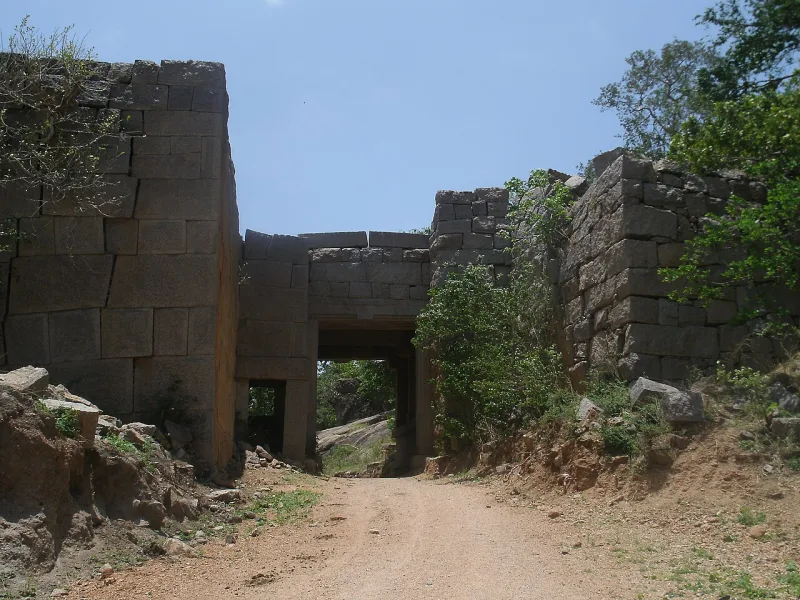
The reservoir drowned a valley rich in ancient remains. At Nagarjunakonda, a great Buddhist centre of the Ikshvaku period had flourished in the third and fourth centuries, associated by name with the philosopher Nagarjuna. Archaeologists excavated before the flooding and moved important structures and finds to an island and other safe places. A museum on the island now displays sculpture and reconstructed monuments.
The most celebrated sight is the opening of the crest gates, usually between August and October in years of strong monsoon inflow. White water thunders down and spray fills the air. Crowds can be enormous, causing long traffic queues on the approaches. Police regulate viewing points; follow them, stay behind barriers and never go down to the river below. In a poor rainfall year the gates may not open at all.
Security rules control access to the dam itself. Photography restrictions and closed roads are possible, and drones are prohibited without permission. Visitors normally view the structure from designated points on either bank.
Boats to Nagarjunakonda have operated from the jetty according to season, weather and demand. Check timings on the day, arrive early, wear the life jacket and note the last return. The museum may have a weekly closing day.
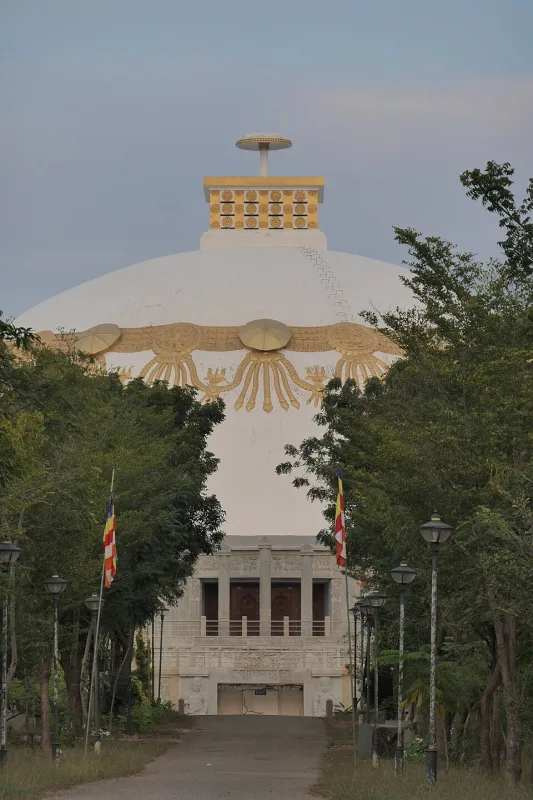
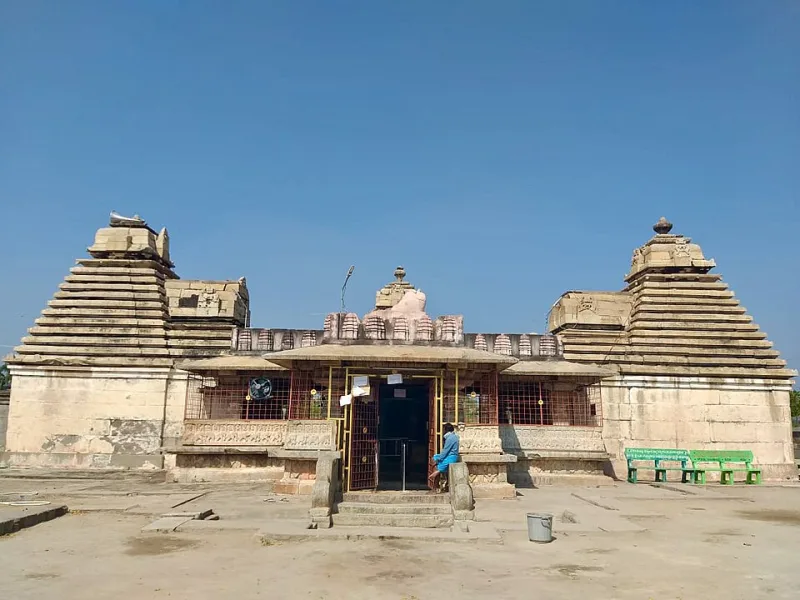
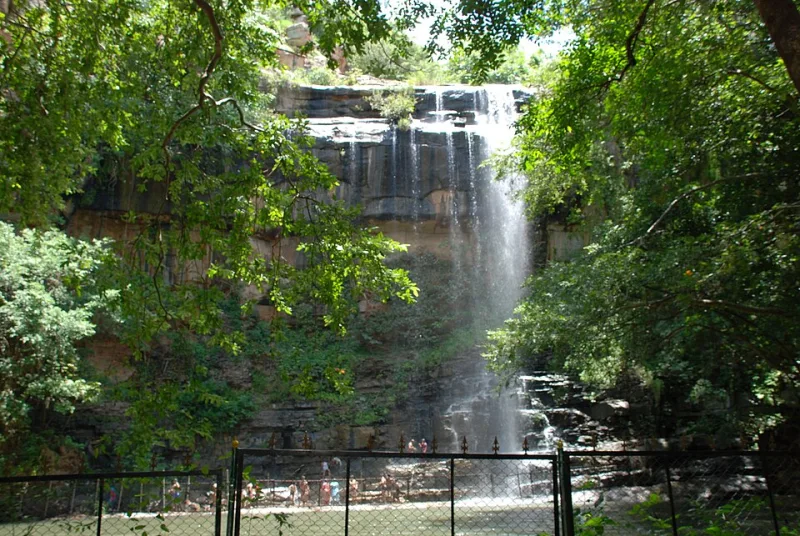
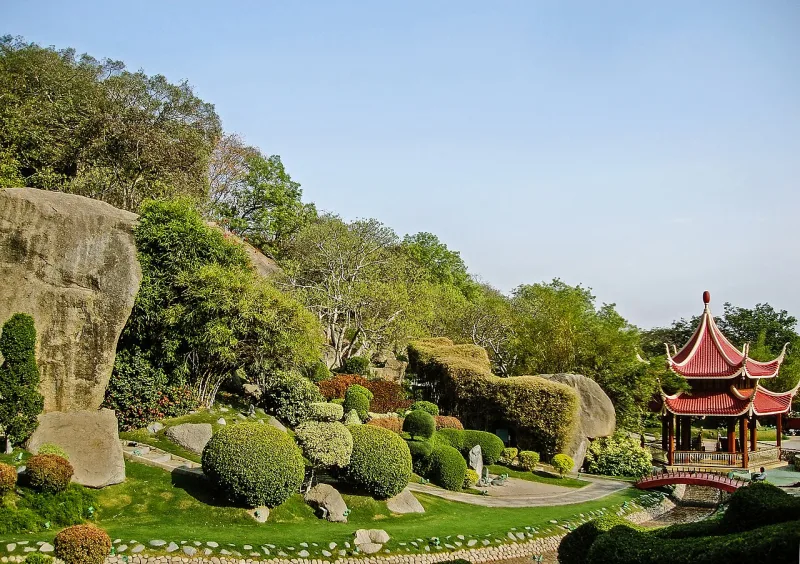
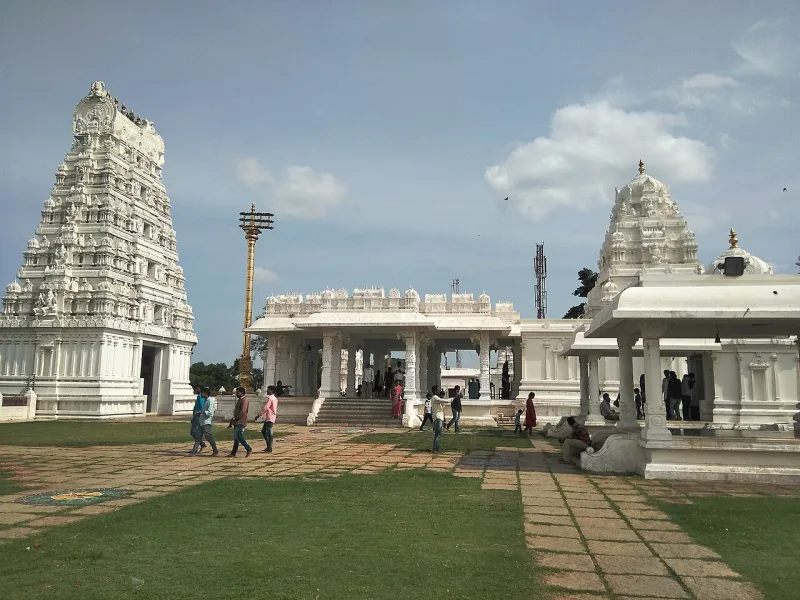
Allow a full day, preferably with a night nearby. The Buddhavanam heritage park on the Telangana side presents Buddhist art and teaching in a large landscaped area. Anupu has relocated remains of an ancient amphitheatre, and the Ethipothala falls on the Andhra side drop through a scenic gorge, with crocodile conservation nearby. Plan the sequence according to distances, because crossing between the banks takes time and routes can be restricted during releases.
Tourism department hotels and private lodges offer rooms, which fill quickly in gate opening weeks. Carry water, sun protection and comfortable shoes. Fresh river fish is a local speciality; choose clean eating places.
November to February is the most comfortable season for sightseeing, while August to October offers drama with humidity and crowds. Summer is extremely hot and the water level low.
A day here brings together two kinds of monumental effort: the monasteries and stupas built by devotees many centuries ago, and the dam raised by twentieth century engineers and workers. The story of how the first was rescued from the waters created by the second invites thought about development and heritage, and makes this journey from Hyderabad far more than a trip to see water pouring through gates. Check official advisories before setting out.
Keep fuel, cash and drinking water in reserve during busy weekends, since queues at shops and filling stations can be long. If boats are cancelled because of wind or high flow, spend the time at Buddhavanam or the viewpoints and try the island another day. Respect fishermen at work and buy from established sellers.
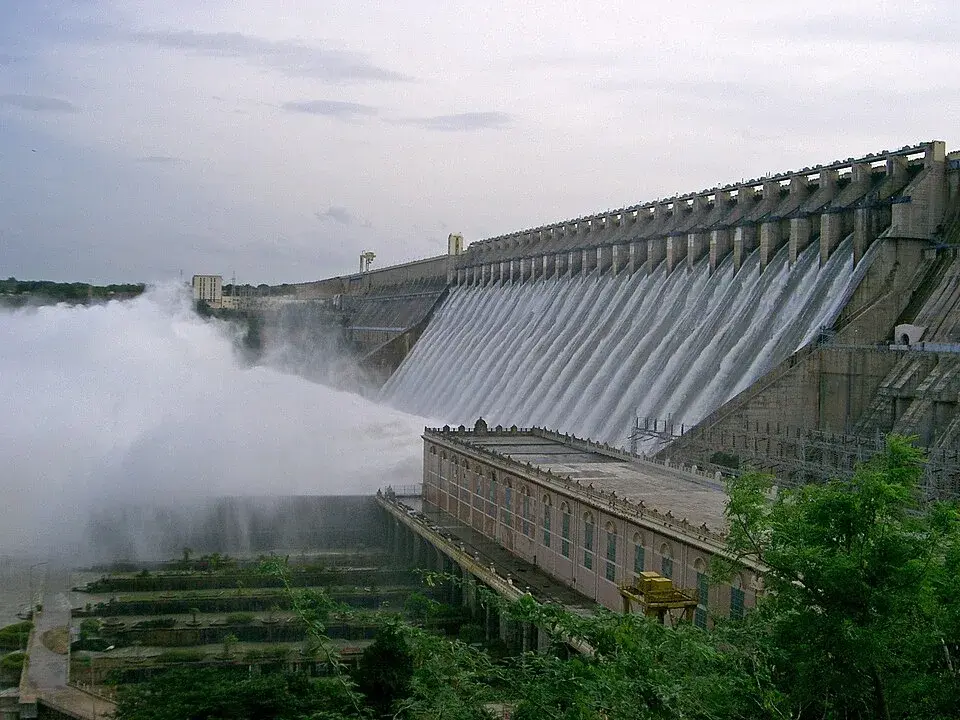 Photo: Sumanthk at English Wikipedia · Public domain