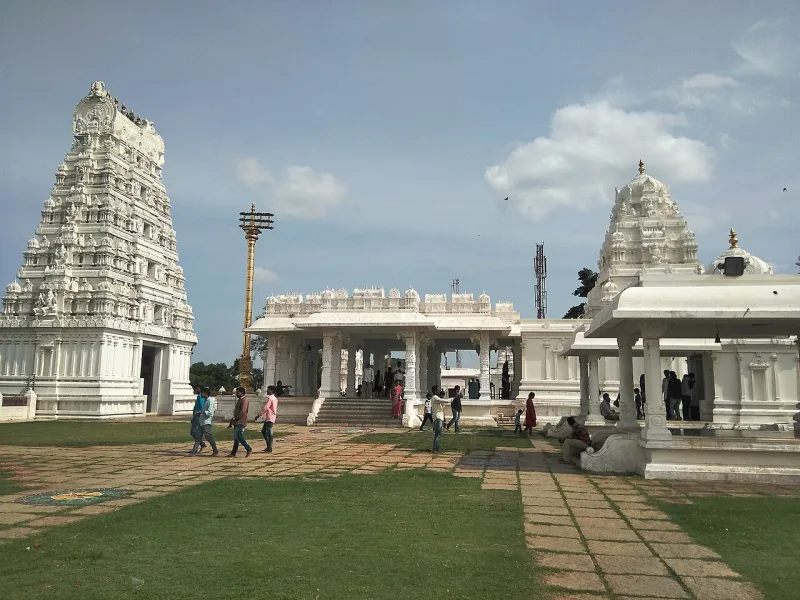
Temple
Sanghi Temple
Rangareddy, Telangana
📍 18 km away from Pochampally Weaving Village
White towers on a hill east of the city, with a Venkateswara shrine styled on Tirumala.
Read more →Other Attraction
Telangana · Yadadri BhuvanagiriAlso known as Bhoodan Pochampally
The ikat weaving town famed for Pochampally sarees and for the birth of the Bhoodan land gift movement, honoured among the world's best tourism villages.
About Pochampally Weaving Village
The ikat weaving town famed for Pochampally sarees and for the birth of the Bhoodan land gift movement, honoured among the world's best tourism villages.
Within an hour of the city, the rhythmic clack of wooden looms replaces the noise of traffic. Pochampally is one of India's best known weaving centres, where families have made ikat textiles for generations and where thousands of looms help produce sarees, fabric and home furnishings.
Ikat is an intricate technique. Before weaving begins, bundles of yarn are tied tightly in planned places and dyed, then untied, retied and dyed again for further colours. When the threads are set on the loom, the pattern emerges as the weaver aligns them. The slightly soft edges of the designs are a signature of the craft. In Pochampally, both single and double ikat are practised, with geometric motifs that are instantly recognisable. In 2004 the Pochampally saree received a Geographical Indication tag, protecting its name.
The town also has an important place in modern history. On 18 April 1951, Acharya Vinoba Bhave, on a walking tour in a region troubled by conflict over land, heard the plea of landless families. A local landowner, Vedire Ramachandra Reddy, offered a hundred acres. From that gift grew the Bhoodan movement, through which large areas of land were donated across India, and the town added Bhoodan to its name.
Visitors can walk the lanes and, with permission, watch yarn being wound, tied and woven in homes and workshops. A rural tourism centre with a small museum, craft displays and a lakeside area has been developed, and the village was recognised in a United Nations World Tourism Organization programme for best tourism villages. Facilities vary, so ask locally what is open.
Remember that these are people's homes and workplaces. Request permission before entering or photographing, do not touch yarn that is being aligned and keep children from loom mechanisms. If someone spends time explaining the process, buying even a small item or thanking them sincerely is courteous.
For shopping, visit cooperative societies, weavers' showrooms and established shops. Compare prices, ask whether an item is handwoven or power loomed and whether it is silk, cotton or a blend, and look for handloom certification. Genuine handwork takes many days and is priced accordingly. Ask about washing care, especially for the first wash of deep colours.
Allow half a day. Weekdays are best for seeing work in progress; some units rest on holidays. Wear comfortable shoes, carry water and use sun protection. Simple meals are available, with more choices along the highway.
The outing can be combined with Ramoji Film City, which lies on the way, the Hayat Bakshi Mosque at Hayathnagar, or a longer loop towards Bhongir Fort and the Yadadri temple. In Hyderabad, Shilparamam and handloom emporiums offer further chances to learn about regional textiles.
October to February brings pleasant weather for strolling. In the monsoon dyeing and drying may slow, and in April and May it is very hot.
A visit changes the way you look at cloth. Seeing a weaver adjust one thread after another so that a pattern appears true gives meaning to the price tag and respect for the skill involved. Spending directly in the village helps to keep young people in a craft that faces competition from cheaper machine copies. Pochampally offers handsome textiles, a notable story of voluntary sharing and a warm glimpse of working rural life, all within easy reach of the capital. Leave time to listen as well as to shop.
If you wish to see dyeing as well as weaving, ask in advance, because the processes take place on different days in different homes. A local guide from the tourism centre or a cooperative can arrange visits politely and translate your questions, which usually leads to a richer conversation than wandering alone. Allow extra time for choosing fabric in daylight, where colours are easiest to judge.
No photos yet. Be the first to share one.
+ Add your photos Been here? Share what you saw.
Instagram Reels and YouTube Shorts by vloggers and visitors.
Space for a Reel or Short
Space for a Reel or Short
Space for a Reel or Short
Space for a Reel or Short
Full videos, guides and walkthroughs.
No reviews yet. Be the first to share your experience. Reviews appear here once a moderator approves them.
None listed yet.
Address: Bhoodan Pochampally town, Yadadri Bhuvanagiri district
Where the details on this page come from. Timings, fees and phone numbers change, so confirm them before you travel.
Distances are in a straight line from Pochampally Weaving Village; travel by road is longer.
Rangareddy, Telangana
📍 18 km away from Pochampally Weaving Village
White towers on a hill east of the city, with a Venkateswara shrine styled on Tirumala.
Read more →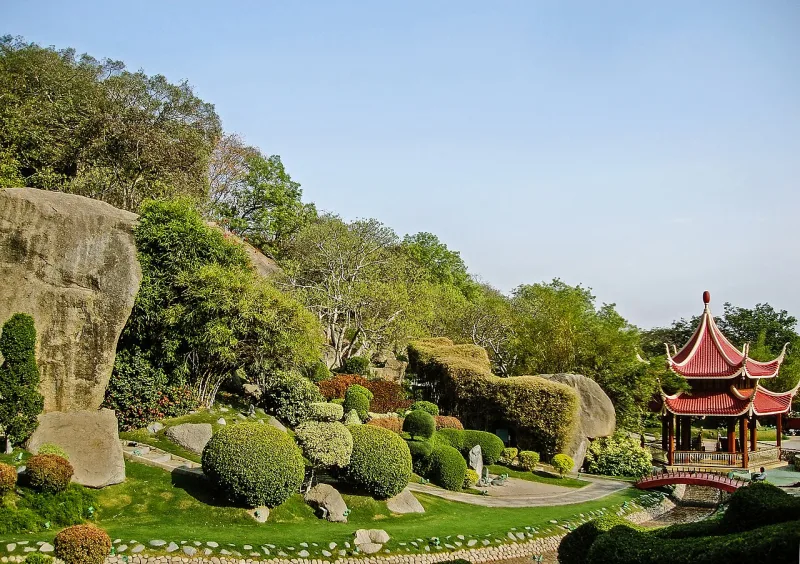
Rangareddy, Telangana
📍 18 km away from Pochampally Weaving Village
A vast working film studio and theme park, recognised by Guinness as the largest studio complex.
Read more →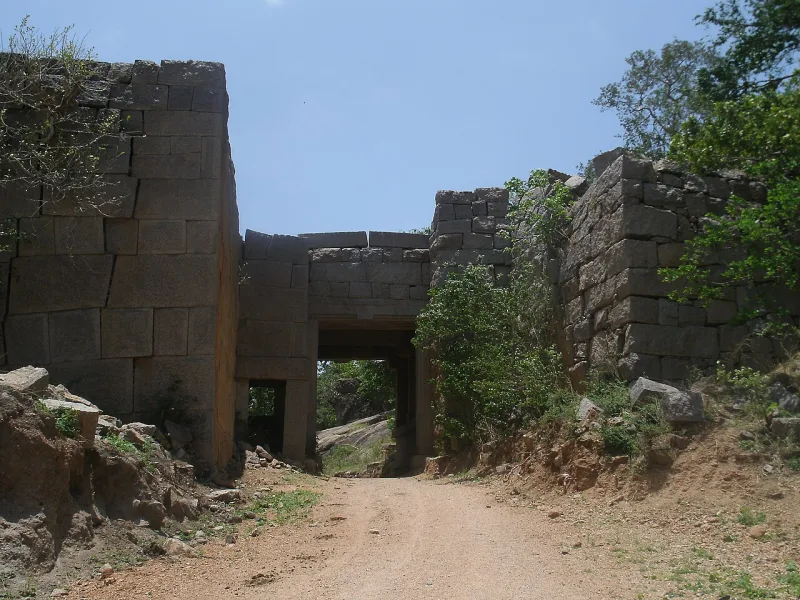
Yadadri Bhuvanagiri, Telangana
📍 19 km away from Pochampally Weaving Village
The wild, little-visited hill capital of the Recherla Nayakas, with massive stone gates among boulders.
Read more →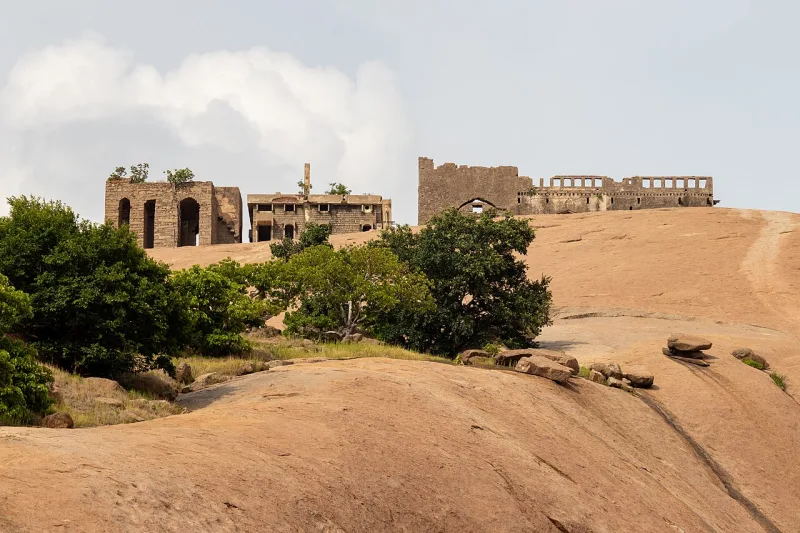
Yadadri Bhuvanagiri, Telangana
📍 20 km away from Pochampally Weaving Village
A fort crowning a single enormous rock, one of the most rewarding climbs within reach of Hyderabad.
Read more →Rangareddy, Telangana
📍 About 21 km away from Pochampally Weaving Village
A rocky hill by the Outer Ring Road, loved by vloggers for sunrise mist, wide sunset views and a hilltop Hanum...
Read more →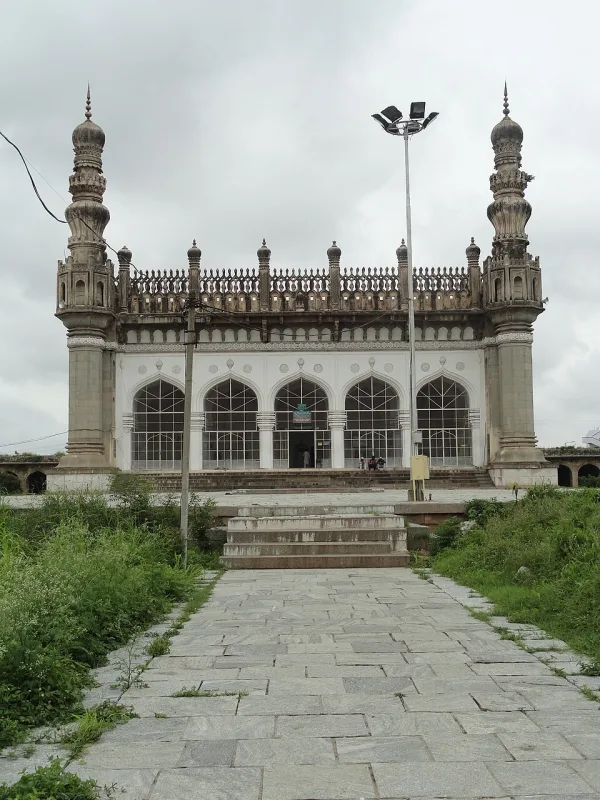
Ranga Reddy, Telangana
📍 24 km away from Pochampally Weaving Village
A large Qutb Shahi mosque of 1672 at Hayathnagar, named for the royal matriarch Hayat Bakshi Begum and surroun...
Read more →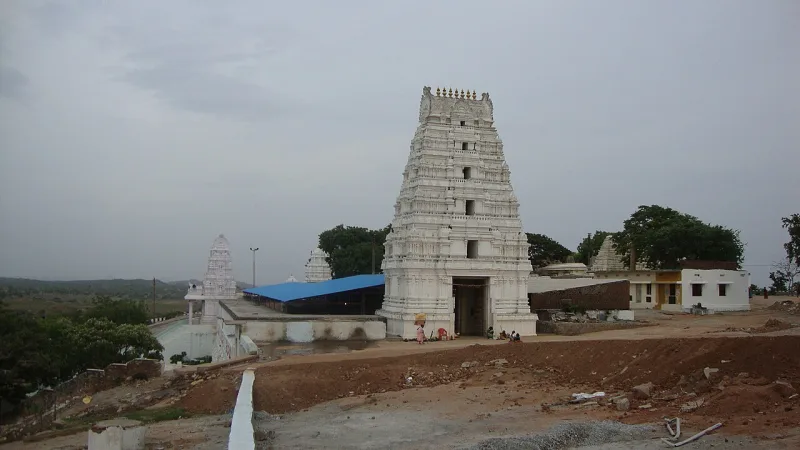
Medchal-Malkajgiri, Telangana
📍 About 24 km away from Pochampally Weaving Village
A hilltop Shiva temple among early Telugu history: excavated fort walls, a 1,500-year-old inscription and Jain...
Read more →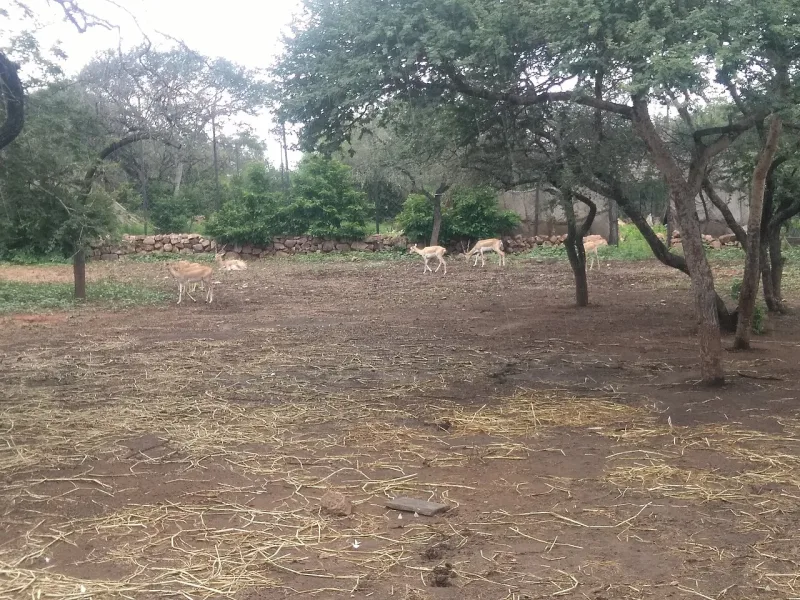
Rangareddy, Telangana
📍 25 km away from Pochampally Weaving Village
Blackbuck and spotted deer in forest on the eastern edge of the city, once a royal hunting ground.
Read more →