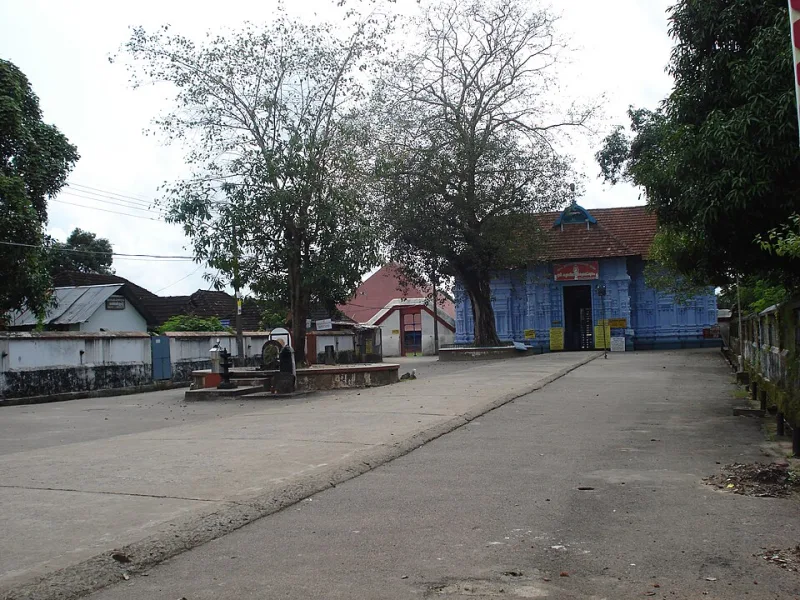
A Vishnumaya temple of the Kanadi family at Peringottukara, known for the Roopakkalam ritual and the annual Thiruvellattu festival.
At a glance
What: A temple of Sree Vishnumaya Kuttichathan Swamy with several associated shrines.
Where: Peringottukara, Thrissur district, Kerala.
When: Described in tradition as centuries old; accounts differ. The main festival, Thiruvellattu, follows the Malayalam calendar.
How: Reach by road from Thrissur, about 20 kilometres.
By whom: Associated with the Kanadi family; the tradition names the sage Koonamuthappan as the one who brought the deity.
For whom: Devotees seeking the blessing of Vishnumaya, and respectful visitors.
About the temple
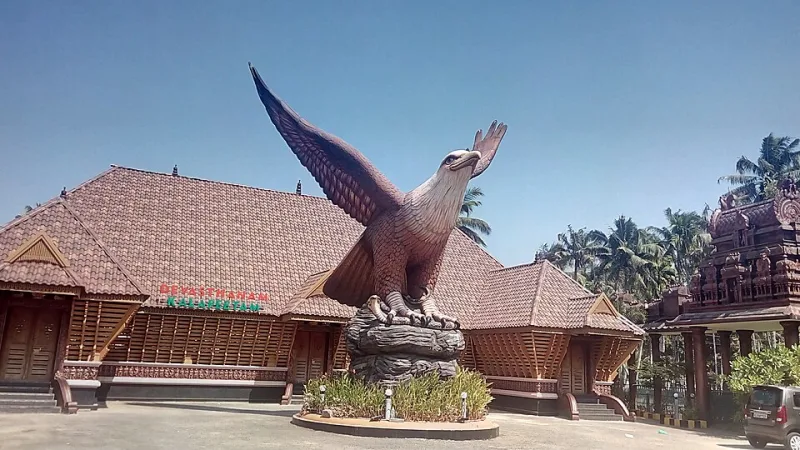
Kanadikavu is one of the temples that have made the village of Peringottukara a name familiar to devotees of Vishnumaya. The word kavu in Kerala usually means a sacred grove or the shrine within it, and Kanadi is the family connected with this one. The principal deity is Sree Vishnumaya Kuttichathan Swamy, worshipped together with the three hundred and ninety Kuttichathans of tradition.
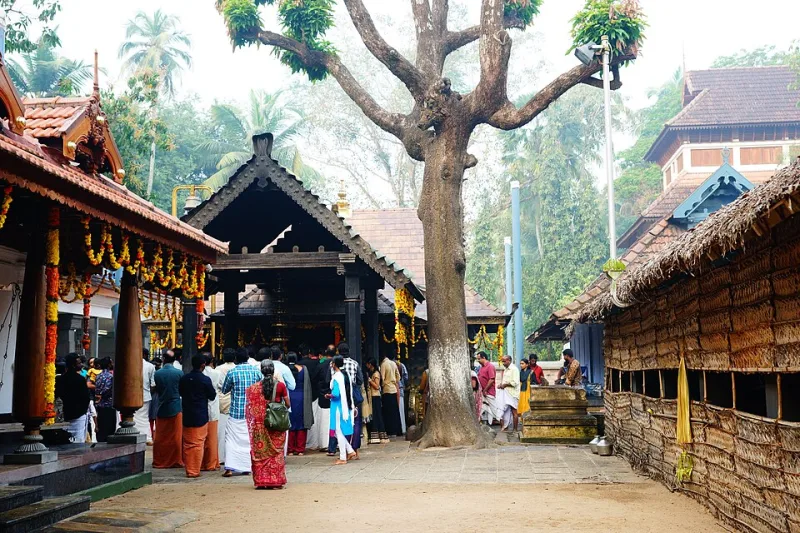
Other shrines in the temple are dedicated to Bhadrakali, to Bhuvaneshwari, who is honoured as the family goddess, to Kukshikalpam, to the serpent deities Nagaraja and Nagayakshi and to Brahmarakshas. The spiritual head of the Kanadi establishment serves as chief priest, and worship follows tantric custom handed down within the family.
The story of how the deity came
The temple's tradition centres on a sage called Koonamuthappan. Convinced that people needed a powerful deity who could be approached easily, he undertook severe penance to his family goddess. She appeared and taught him two mantras, one to draw Chathan Swamy, the son of Shiva, and another for his daily worship. The sage then went to the Himalayas, where on the advice of serpent sages he continued his austerities until Vishnumaya appeared. He returned to Peringottukara with the deity and installed him at the place where the Kanadi family now lives.
This is sacred narrative. The age given for the shrine differs between published accounts, some of which speak of about four hundred years, and no dated record confirming a particular year is cited here.
Myths of Vishnumaya
In the wider mythology, Vishnumaya is the son of Shiva born through Parvati's appearance as a forest woman, named Koolivaka in many tellings. He was brought up in the woods, learned of his origin and proved his courage against a demon who troubled the gods. The many Chathans are understood as his brothers or forms who fought beside him. He is pictured as a youthful figure riding a buffalo and carrying a short staff.
Roopakkalam, the drawn form
The ritual most closely linked with the temple is Roopakkalam, understood as a vision of the divine realm. Using coloured powders prepared from herbal and natural materials, a large and vivid figure of Vishnumaya, sometimes with his companion Karimkutty, is drawn on the floor. A priest of the family performs worship and invokes the deity into the drawing. A sacred dance follows around it to energetic music, after which the dancer sweeps the figure away with coconut palm leaves. The powders are then distributed to devotees. The art resembles the kalamezhuthu of serpent temples and shows how painting, music and movement join in Kerala ritual.
Watching it, do not step on the drawing or block the performers, and photograph only if permission has been given.
Festivals and offerings
Thiruvellattu is the great annual celebration, marked with ritual performances, songs and gatherings; one account describes it as lasting several days. Published sources give differing months for particular events, so ask the temple for the current calendar. Offerings listed by the temple tradition include Roopakkalam, lamp offerings around the shrine, decorative illumination, special vellattu rites, guruthi and daily puja. Each has its own charge and booking arrangement.
Rumours, beliefs and good sense
Popular talk about Kuttichathan mixes devotion with tales of mischief, sorcery and revenge. Stories of a spirit that throws stones or starts fires have been told for generations and have appeared in films. They are folklore. Temples speak of the deity as a protector who removes difficulties, and devotees' experiences are matters of personal faith.
Be cautious about intermediaries who use the temple's name to sell guaranteed solutions, remote rituals or expensive remedies. Contact the official office directly, confirm what you are paying for and keep proof. If you face a health, financial or legal problem, seek qualified help as well. Claims about which temple in the village holds the oldest lineage differ between institutions, and this page takes no side.
Family temples of Kerala
Kanadikavu also illustrates an institution that is very important in the religious life of the state: the family temple. Many households maintained a shrine to an ancestral deity, a goddess, serpent gods and protective spirits, with rites performed by their own members or by priests they invited. Members who moved away returned for the annual festival, which served as a reunion. When a deity gained a reputation for answering prayers, outsiders began to come, and facilities, offices and booking systems followed. Visiting such a place, one still notices the household character in the way particular rites belong to particular people and in the care given to lineage.
Questions visitors often ask
Travellers ask how long a major ritual takes. It varies from a short offering to an observance of several hours, so ask before booking and plan your return transport accordingly. They ask whether they may attend a Roopakkalam performed for someone else; permission rests with the temple and the sponsoring family. They also ask whether payment must be made online. Confirm any account details directly with the official office before transferring money, because impostors can copy the names and pictures of well known temples.
Visiting
Wear modest, preferably traditional, clothing. Remove footwear where indicated, keep silence near the shrines and follow the queue. Ask the staff about restrictions on entry to particular areas. Festival days draw large crowds, so arrive early, keep children close and protect valuables. Telephone ahead if you are travelling a long distance for a particular ritual, since priests' availability and timings matter.
Around Kanadikavu
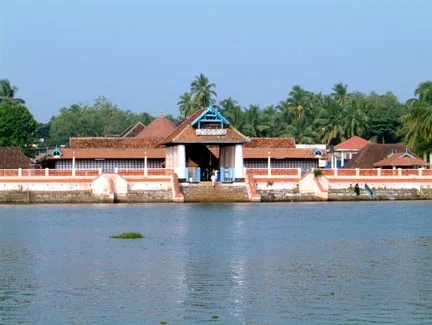
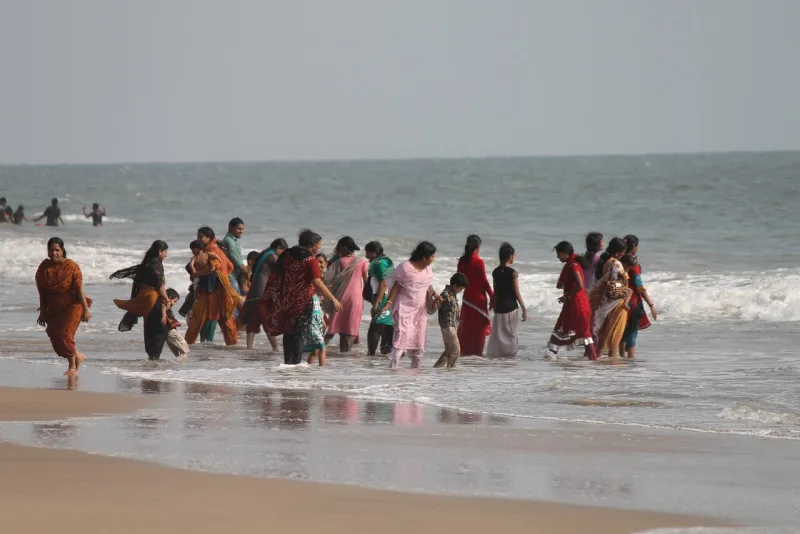
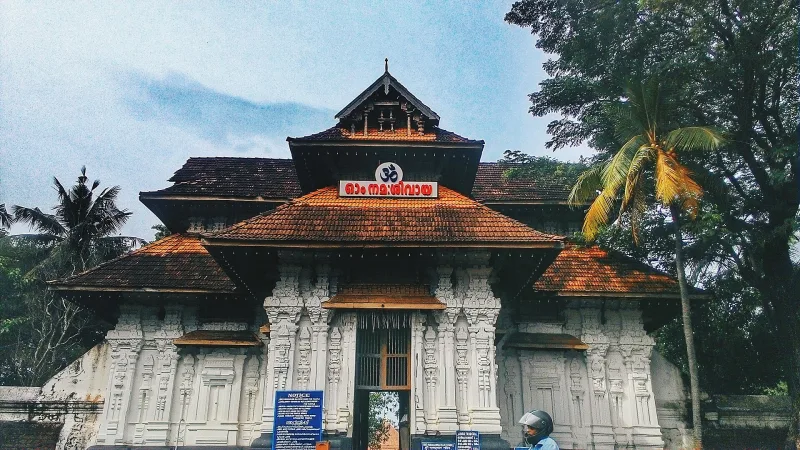
The Avanangattil Kalari temple and the Peringottukara Devasthanam are in the same village. Within a short drive are the Triprayar temple, the Koodalmanikyam temple at Irinjalakuda, the beaches near Thalikulam and, towards Thrissur, the Vadakkunnathan temple and the city's museums. A morning of darshan followed by an afternoon by the river or sea makes a comfortable day.
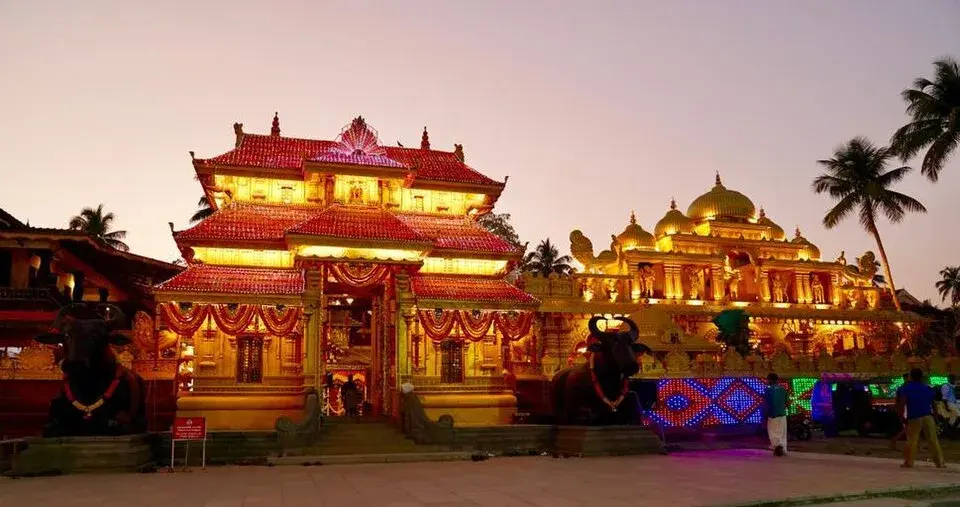 Photo: Kanadikavu vishnumaya · CC BY-SA 4.0