Hill Station
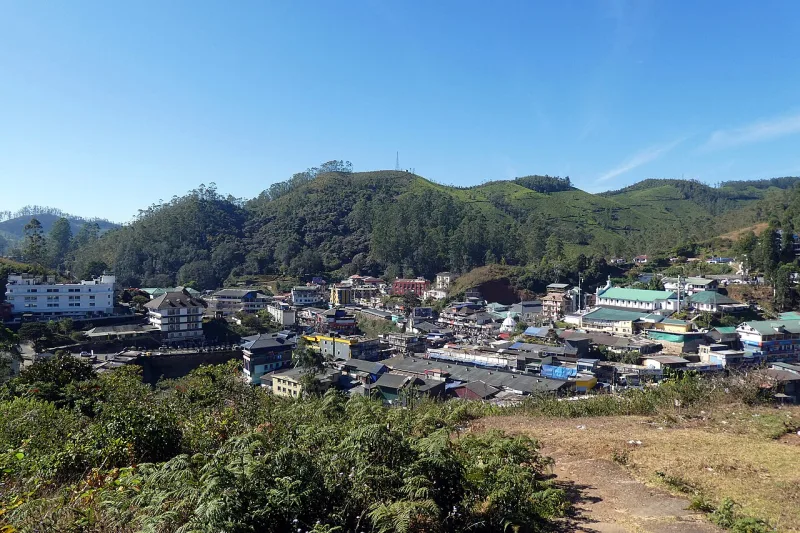
Munnar
Idukki, Kerala
📍 About 800 m away from KDHP Tea Museum, Munnar
Kerala's best known hill station at about 1,600 metres, where three rivers meet among rolling tea gardens and...
Read more →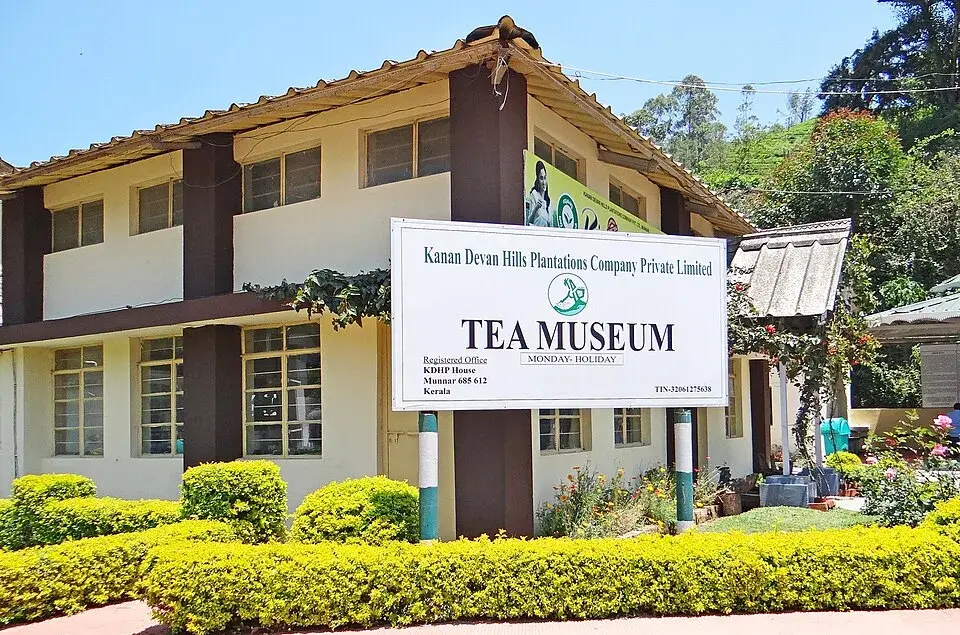 Photo: Jean-Pierre Dalbéra from Paris, France · CC BY 2.0
Museum
Kerala · IdukkiAlso known as Tata Tea Museum, Nullathanni Tea Museum
A museum on a working estate that explains Munnar's plantation history and how tea leaves become the drink, with tasting at the end.
About KDHP Tea Museum, Munnar
A museum on a working estate that explains Munnar's plantation history and how tea leaves become the drink, with tasting at the end.
Munnar's slopes are covered with clipped tea bushes, and sooner or later visitors wonder how the green leaf turns into the brew in their cups. The Tea Museum at Nullathanni Estate, associated with the Kanan Devan Hills Plantations company and widely known as the Tata Tea Museum, is the place to find out.
It was set up to preserve the history of the plantations, which began to take shape in the late nineteenth century when British planters leased land in these high hills and experimented with coffee, cinchona and other crops before tea proved successful. Workers, many from Tamil Nadu, cleared and planted the slopes under hard conditions, and an entire town with roads, bridges, a light railway and factories grew from their labour.
The exhibits include old photographs, tools, office equipment, a rotary telephone system, a sundial and other relics of estate life, together with items from earlier human history found in the area, such as an ancient burial urn. A section of the old rail system and machines once used in factories show how technology changed.
The highlight for many is the demonstration of manufacture. Visitors see the stages: withering the fresh leaf to remove moisture, rolling or cutting it, allowing oxidation, drying and sorting into grades. The difference between orthodox and crush tear curl methods is explained, as are the differences between black and green tea. The smell inside the processing area is wonderful.
A tasting session usually follows, and a sales counter offers a range of teas. There may be a short film about the history of the region.
The museum is popular, particularly in holiday seasons and on rainy days, so arrive near opening time. It is often closed on Mondays; confirm timings and ticket prices before going, and note that a working factory may suspend demonstrations on certain days. Photography rules vary between sections. Do not touch moving machinery, keep children close and follow staff instructions.
One to two hours is sufficient. The site is near the town, with limited parking. Stairs and uneven floors may challenge some visitors. Toilets and refreshments are available.
Pair the visit with a walk through nearby estates, ideally with permission or a guide, to watch pluckers at work. Do not enter fields without leave or obstruct workers, and ask before photographing them. Their skill and effort lie behind every packet. Other Munnar attractions include Eravikulam National Park, the viewpoints at Pothamedu, Mattupetty dam and Top Station.
September to March offers the best weather for outdoor sightseeing, while the museum itself is a good refuge when monsoon cloud and rain settle over the hills.
By the end, the landscape outside looks different. The neat rows are seen as the product of more than a century of planting and pruning, and a cup of tea as the result of careful timing in leaf, air and heat. For families it is an easy, instructive outing that connects scenery with history and daily habit. Taste slowly, ask questions and carry home a little of the hills in a packet.
Teachers can prepare students with a simple question to answer during the visit, such as why some teas are darker than others. Visitors who are sensitive to strong smells or noise may wish to stand near the door during the processing demonstration. When buying tea, check the packing date, store it away from moisture and ask how long each grade should be steeped. A walk around the grounds afterwards gives a view of the estate slopes from which such leaves come. If queues are long, visit the exhibits first and join the demonstration at the next sitting, as staff direct.
+ Add your photos Been here? Share what you saw.
Instagram Reels and YouTube Shorts by vloggers and visitors.
Space for a Reel or Short
Space for a Reel or Short
Space for a Reel or Short
Space for a Reel or Short
Full videos, guides and walkthroughs.
No reviews yet. Be the first to share your experience. Reviews appear here once a moderator approves them.
None listed yet.
Address: Nullathanni Estate, Munnar
Where the details on this page come from. Timings, fees and phone numbers change, so confirm them before you travel.
Distances are in a straight line from KDHP Tea Museum, Munnar; travel by road is longer. The map position of KDHP Tea Museum, Munnar is approximate.
Idukki, Kerala
📍 About 800 m away from KDHP Tea Museum, Munnar
Kerala's best known hill station at about 1,600 metres, where three rivers meet among rolling tea gardens and...
Read more →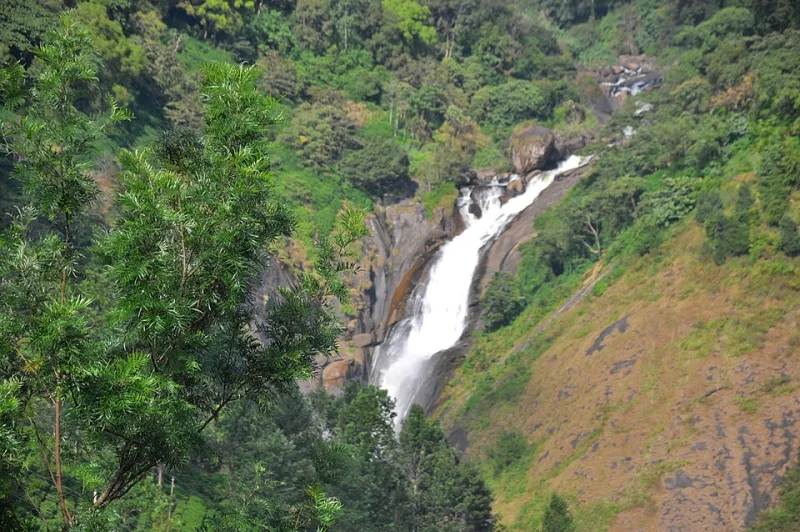
Idukki, Kerala
📍 About 4.6 km away from KDHP Tea Museum, Munnar
A slanting white cascade in the tea and forest country below Munnar, reached by a narrow side road towards Pal...
Read more →Idukki, Kerala
📍 About 5.2 km away from KDHP Tea Museum, Munnar
A waterfall rolling down rocky slopes among tea estates on the way from Munnar to Rajamala and Eravikulam.
Read more →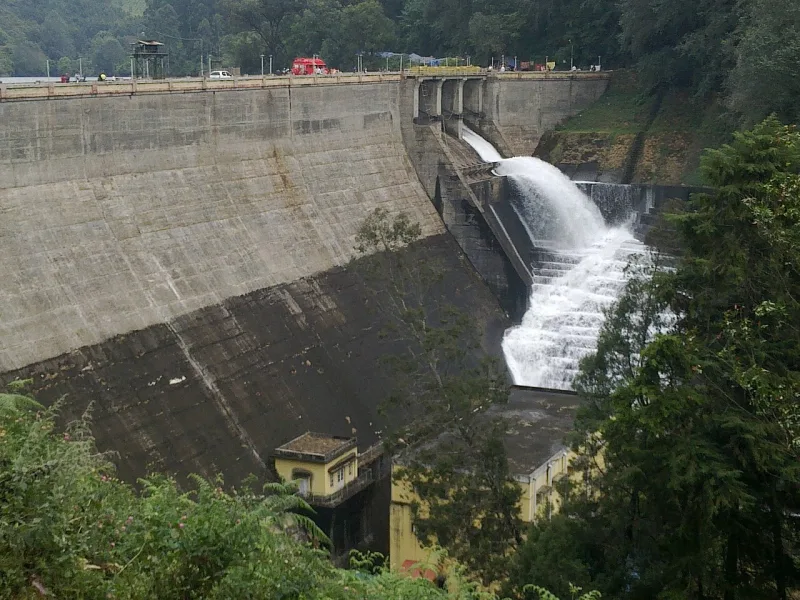
Idukki, Kerala
📍 About 7.7 km away from KDHP Tea Museum, Munnar
A concrete dam and long blue reservoir among tea and grassland near Munnar, popular for lake views and boating...
Read more →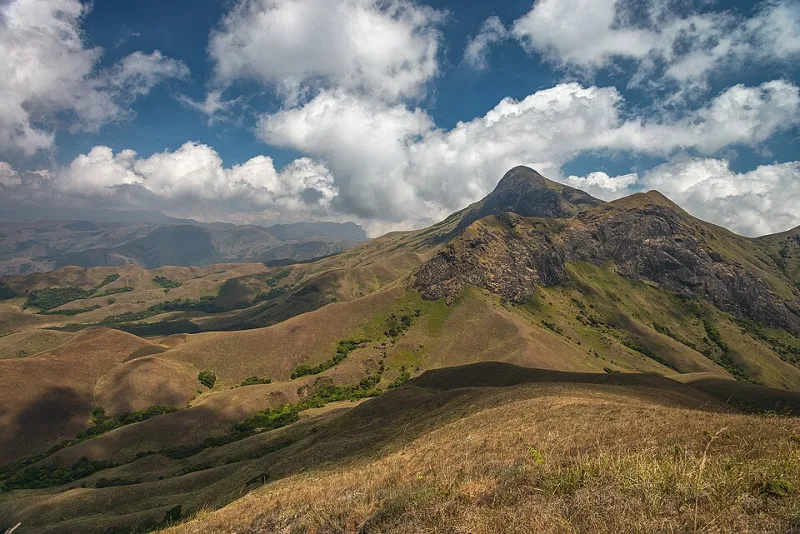
Idukki, Kerala
📍 About 8.3 km away from KDHP Tea Museum, Munnar
At 2,695 metres, the highest peak of the Western Ghats and of South India, admired from Eravikulam since climb...
Read more →Idukki, Kerala
📍 About 11 km away from KDHP Tea Museum, Munnar
A small national park of 12.82 square kilometres protecting precious shola forest and an elephant corridor sou...
Read more →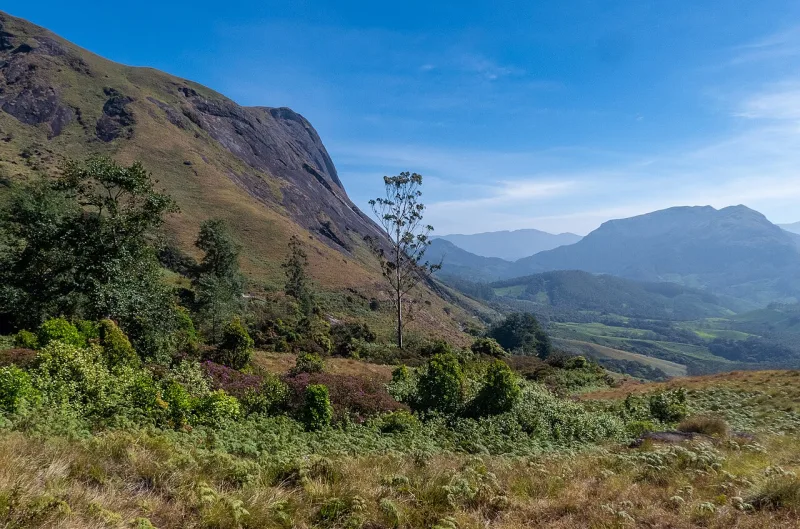
Idukki, Kerala
📍 About 12 km away from KDHP Tea Museum, Munnar
Kerala's first national park, a high grassland plateau protecting the endangered Nilgiri tahr near Anamudi pea...
Read more →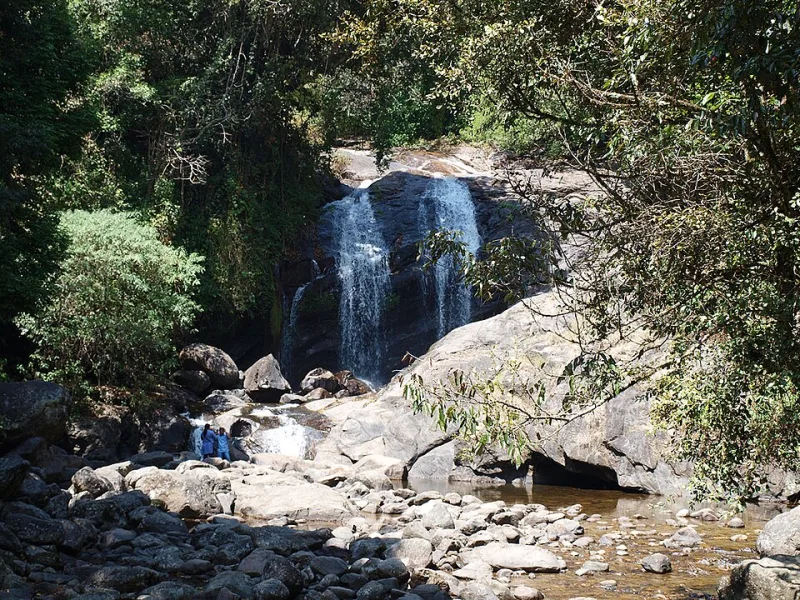
Idukki, Kerala
📍 About 12 km away from KDHP Tea Museum, Munnar
A clear forest fall on the Eravikulam stream beside the road from Munnar to Marayoor, with managed entry and a...
Read more →