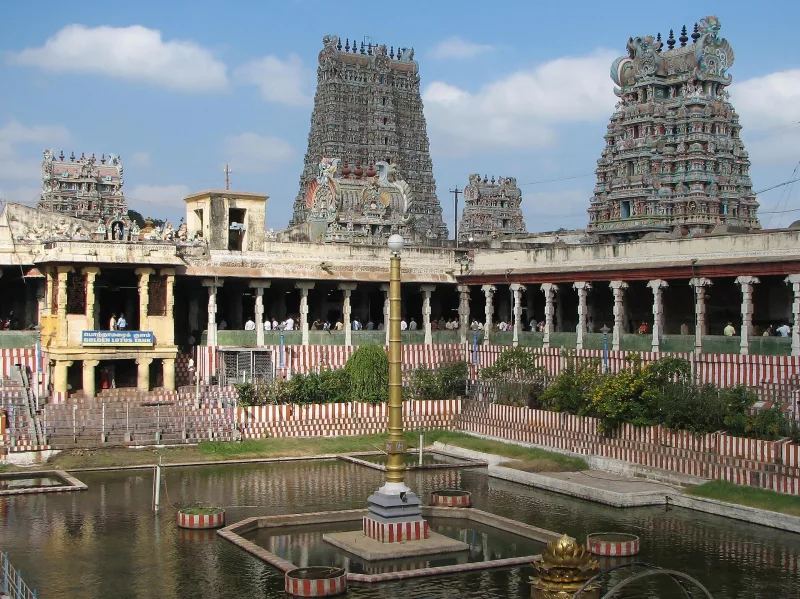
Temple
Meenakshi Amman Temple
Madurai, Tamil Nadu
📍 9.3 km away from Keeladi Museum and Excavation Site
The temple of Meenakshi and Sundareswarar, known for its towering painted gopurams.
Read more →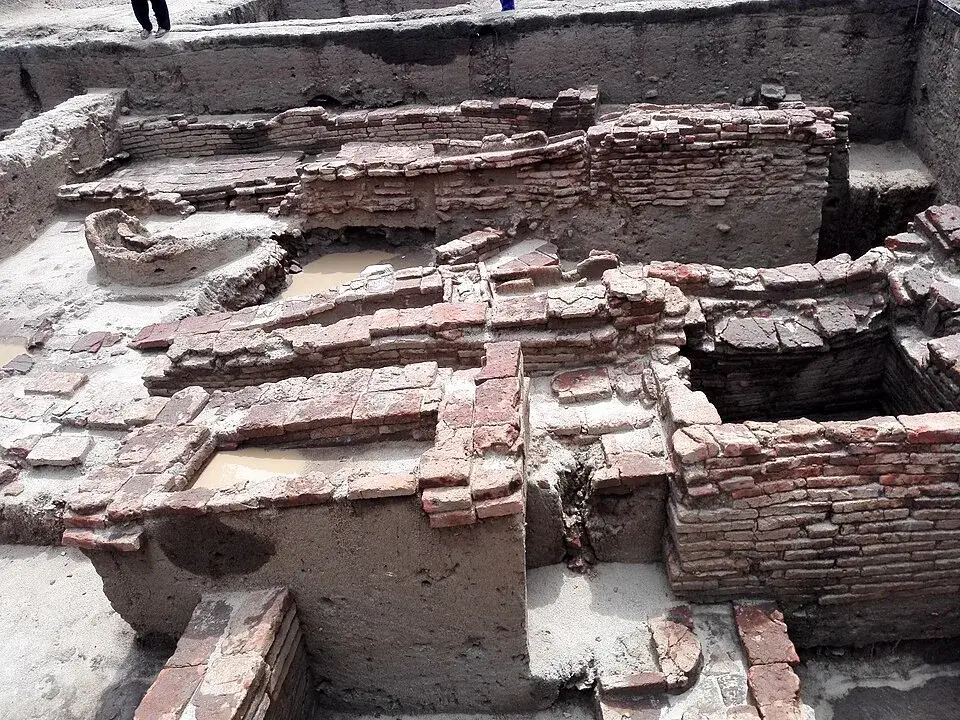 Photo: Paramatamil · CC BY-SA 4.0
Museum
Tamil Nadu · SivagangaAlso known as Keezhadi Museum
A museum and archaeological site near Madurai revealing an early urban settlement on the Vaigai, with finds from the Sangam age and before.
About Keeladi Museum and Excavation Site
A museum and archaeological site near Madurai revealing an early urban settlement on the Vaigai, with finds from the Sangam age and before.
Near the Vaigai river, a short drive from Madurai, excavations have changed the way many people think about the ancient history of Tamil country. At Keeladi, also spelt Keezhadi, archaeologists uncovered the remains of a settlement of the early historic period, and the finds are now presented in a museum opened by the Tamil Nadu government in March 2023.
Investigations began under the Archaeological Survey of India in the middle of the 2010s and were continued by the Tamil Nadu State Department of Archaeology over several seasons. Trenches in coconut groves revealed brick structures, channels, drains and terracotta ring wells, evidence of organised habitation and craft activity. Thousands of objects were recovered: pottery, some inscribed with names in the Tamil-Brahmi script, beads of glass and semi precious stones, gold ornaments, bone tools, spindle whorls linked with weaving, gaming pieces and animal remains.
Dating of material has pointed to occupation several centuries before the common era, with figures around the sixth to third centuries BCE often quoted for parts of the remains. Such dates matter for debates about early literacy and urban life in the south, and scholars continue to discuss the interpretation, including differences between reports. Visitors can appreciate both the objects and the ongoing nature of research.
The museum building draws on the architecture of the Chettinad region, with courtyards, pillared verandas, tiled roofs and decorative flooring. Separate galleries deal with themes such as the Vaigai valley settlements, water management, farming and animal life, pottery, trade, crafts and the connection between archaeological finds and Sangam literature, the body of early Tamil poetry that describes cities, merchants and daily life. Videos, models and interactive displays help explain how excavation works and how objects are studied.
Beyond the galleries, parts of the excavated area may be conserved for viewing, and the government has worked on an open air presentation under protective cover. Availability depends on the progress of works and excavation seasons, so ask before assuming that trenches can be seen. Never step into an excavation area, pick up pottery or move anything from the ground.
Entry is by a modest ticket, and the museum has a weekly holiday. Confirm timings with official sources, especially around Pongal and other festivals when crowds are large. Photography rules may apply. The climate is hot for most of the year; the courtyards offer shade, but carry water. The village has limited facilities, with more choices in Madurai.
Allow two or three hours, longer for those with a keen interest. School groups are frequent, and children respond well to the beads, toys and game pieces that make people of the past seem familiar.
Madurai is the natural base. Its Meenakshi Amman Temple, the Thirumalai Nayakar Palace and the Gandhi Memorial Museum are major attractions, and the Jain rock sites on hills around the city, with early Tamil inscriptions, connect directly with the themes seen at Keeladi. Thirupparankundram and Alagar Koyil add temples in scenic settings, while Chettinad mansions lie further east in Sivaganga district.
November to February is the best period, with milder temperatures. Come with curiosity rather than expecting grand ruins. The wonder here is in small things: a name scratched on a pot, the neat stack of a ring well, a bead drilled with care. Together they show a community that farmed, made, traded and wrote beside the Vaigai long ago, in a landscape where people still draw their living from the same river.
Reading a little about Sangam poetry beforehand makes the galleries more rewarding, because many objects echo scenes of markets, ornaments and games that the poets describe. Ask museum staff about printed guides in your language.
+ Add your photos Been here? Share what you saw.
Instagram Reels and YouTube Shorts by vloggers and visitors.
Space for a Reel or Short
Space for a Reel or Short
Space for a Reel or Short
Space for a Reel or Short
Full videos, guides and walkthroughs.
No reviews yet. Be the first to share your experience. Reviews appear here once a moderator approves them.
None listed yet.
Address: Kondagai and Keeladi villages, Sivaganga district
Where the details on this page come from. Timings, fees and phone numbers change, so confirm them before you travel.
Distances are in a straight line from Keeladi Museum and Excavation Site; travel by road is longer.
Madurai, Tamil Nadu
📍 9.3 km away from Keeladi Museum and Excavation Site
The temple of Meenakshi and Sundareswarar, known for its towering painted gopurams.
Read more →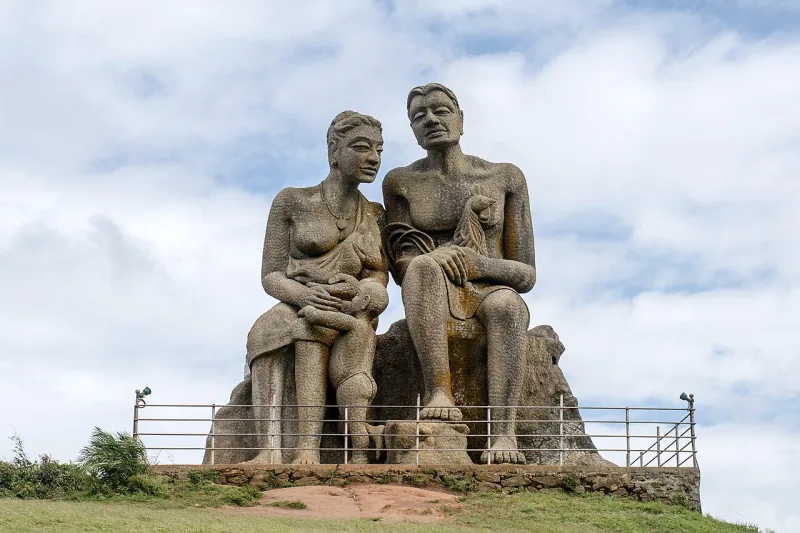
Idukki, Kerala
📍 104 km away from Keeladi Museum and Excavation Site
A windswept ridge at about 1,100 metres on the Tamil Nadu border, with windmills, rock outcrops and a vast vie...
Read more →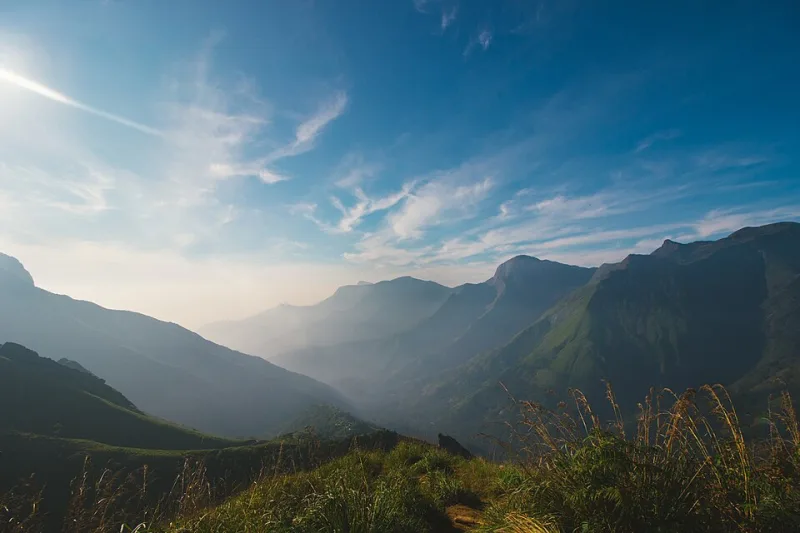
Idukki, Kerala
📍 105 km away from Keeladi Museum and Excavation Site
The smallest national park of Idukki, a high shola forest bordering the Kodaikanal hills, known for guided wal...
Read more →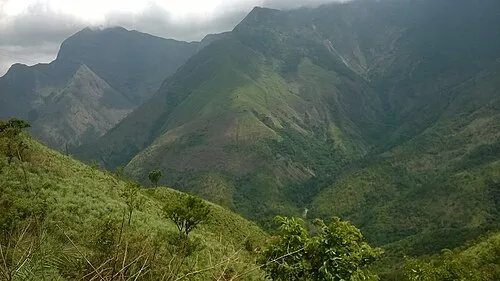
Theni, Tamil Nadu
📍 About 105 km away from Keeladi Museum and Excavation Site
Mountain streams and falls in the Kurangani hills of Theni district, Tamil Nadu, close to the Kerala border an...
Read more →Idukki, Kerala
📍 About 107 km away from Keeladi Museum and Excavation Site
A high viewpoint about 30 km from Munnar looking over deep valleys of the Western Ghats, once a hub for carryi...
Read more →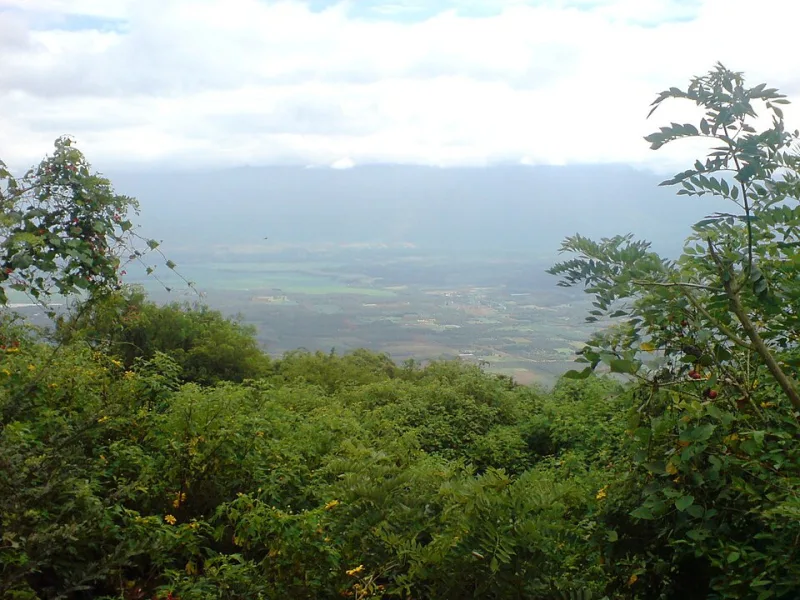
Idukki, Kerala
📍 111 km away from Keeladi Museum and Excavation Site
A monsoon waterfall that leaps off the Chellarkovil cliffs towards the Tamil Nadu plains, seen with a wide vie...
Read more →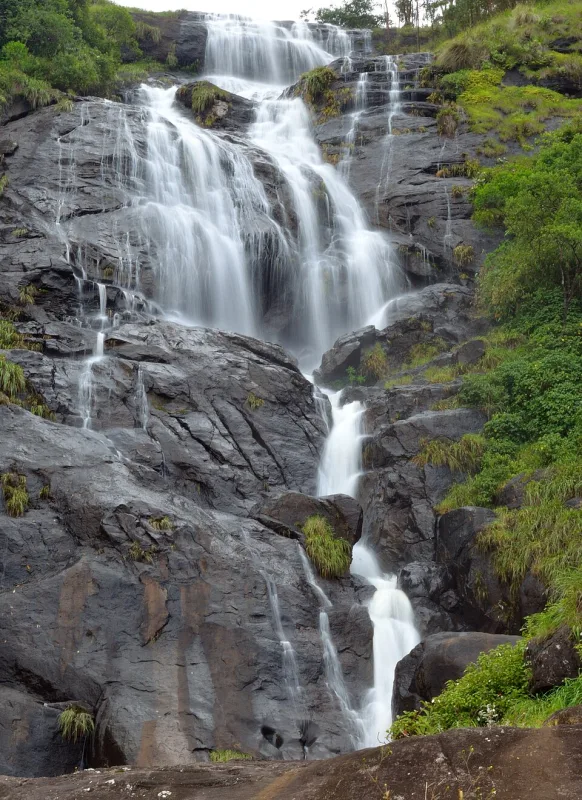
Idukki, Kerala
📍 113 km away from Keeladi Museum and Excavation Site
A steep rocky cascade beside the road at Chinnakanal, named after an old power house nearby, with wide views o...
Read more →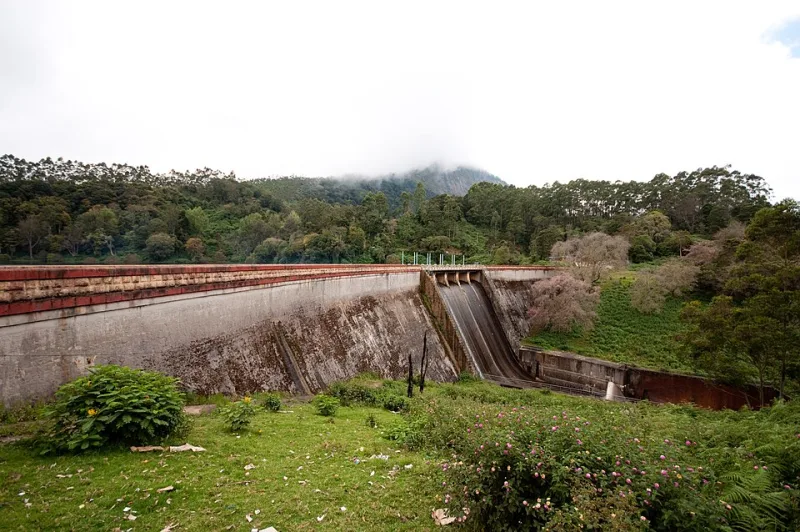
Idukki, Kerala
📍 113 km away from Keeladi Museum and Excavation Site
A historic masonry dam on the Muthirapuzha with a calm hill lake, part of Kerala's first hydroelectric scheme...
Read more →