Island

Little Andaman: Butler Bay and Hut Bay

Andaman and Nicobar Islands · South AndamanAlso known as Hutbay, Gaubolambe

No ratings yet · be the first to review

A large, little-visited island of surf, long beaches and forest, home of the Onge people.

Best time to visit
November to May; surf January to June
Time needed
Two to three days

About Little Andaman: Butler Bay and Hut Bay

Why you should visit

A large, little-visited island of surf, long beaches and forest, home of the Onge people.

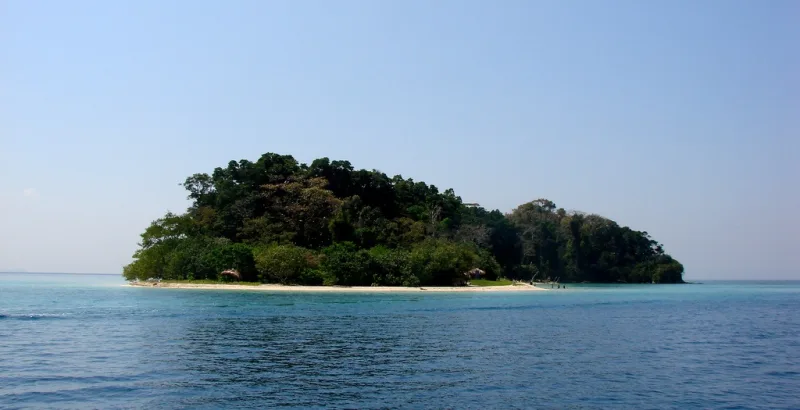
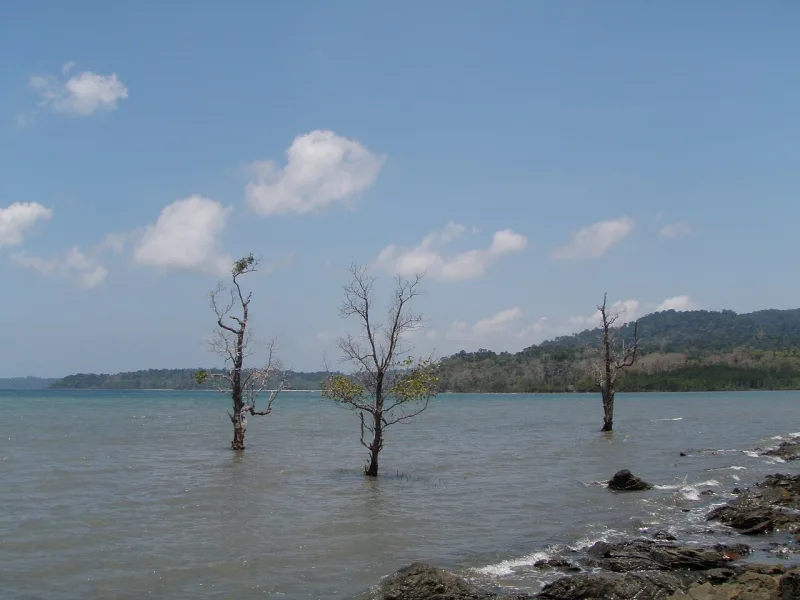
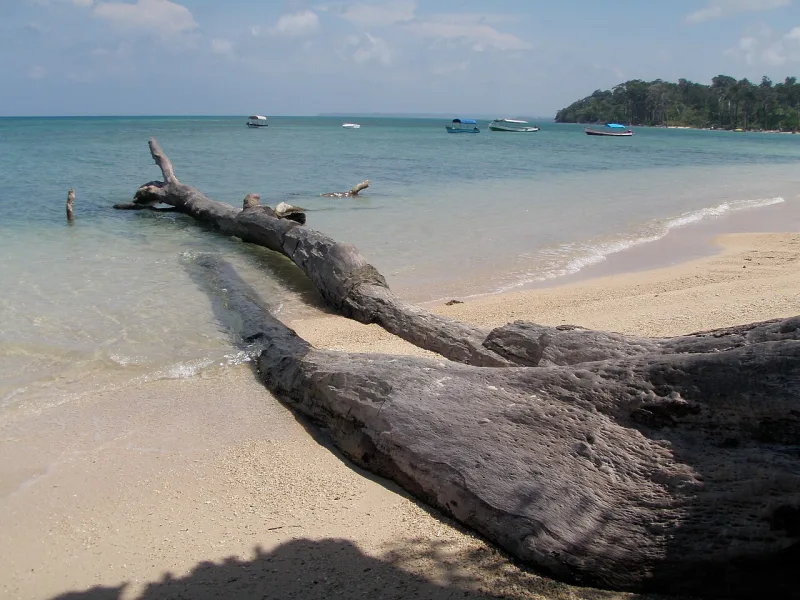
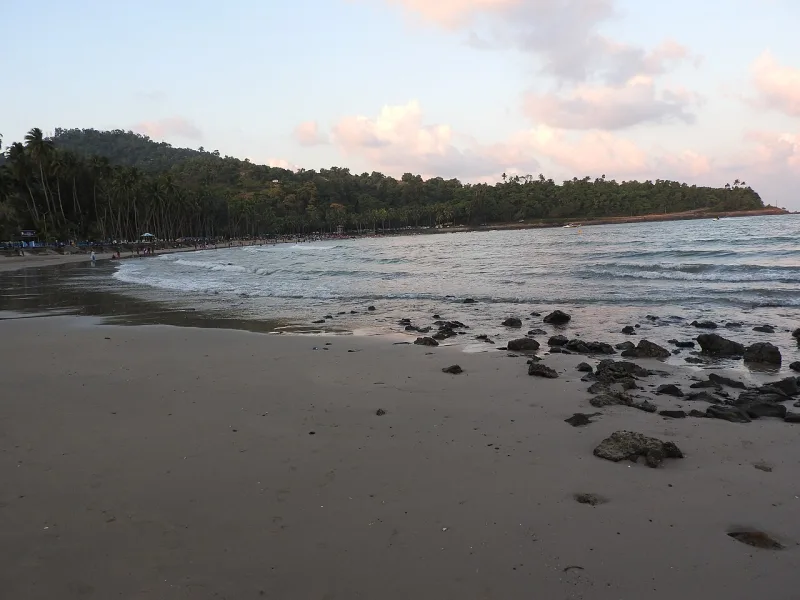
Little Andaman is a large, little-visited island of surf, long beaches and forest, and the home of the Onge people. Covering about seven hundred and seven square kilometres, it lies well south of Sri Vijaya Puram. Its main settlement is Hut Bay. Butler Bay, about fourteen kilometres north of the jetty, is a long crescent known for surfing, while the black rocks of Kalapathar, Harminder Bay and Prabhas Mundi offer other quiet shores. The Onge, who call the island Gaubolambe, have lived here far longer than anyone else. A tribal reserve was declared in 1957, and settlement from the mainland and from Bangladesh followed from the late 1960s, bringing farming and a red oil palm plantation that closed in 2017. The tsunami of December 2004 devastated Hut Bay and altered coasts around the island. A remarkable story comes from that day. Onge oral tradition tells that when the ground shakes, a wall of water follows. In 2004 they moved to higher ground, and almost all survived. Their knowledge is now cited around the world as a lesson in listening to nature. Every visitor should remember it: strong shaking or a sudden retreat of the sea means that you must go to high ground immediately. The community is small and vulnerable. The Onge numbered 672 in 1901 and about 101 in 2011, living mainly at Dugong Creek and South Bay. Their reserve is strictly out of bounds. Never enter those areas, seek meetings or photograph members of the community. Respect for this rule is both a legal duty and a moral one. For travellers, the attraction lies in space and calm. Walk or cycle the beach road, watch the surf at Butler Bay, rise early for sunrise at Harminder Bay and explore the dark rocks at Kalapathar when the tide allows. Forest and creeks come close to the road. Surfing is best from January to June with experienced instructors or companions, since waves and currents can be strong. Crocodiles are present on the island, so take local advice before swimming and obey warning boards. Never swim near creek mouths, at dusk or alone. Wear a life jacket on boats and supervise children. Two to three days is a good stay, between November and May. Facilities are basic, lodging is limited and banking and mobile services may be unreliable, so book ahead and carry enough cash, essential medicines, insect repellent, sun protection and a rain layer. Take care of waste, and do not collect shells or coral. The island is reached by government and other ferries from Sri Vijaya Puram to Hut Bay, with helicopter services at times. Ferries can be cancelled in rough weather, so keep extra days before any flight. On the island, autos, shared vehicles, rented scooters and bicycles are the usual ways to get around. Roads are quiet, but animals and potholes call for careful riding. Local meals feature fish, rice, coconut and vegetables. Buy from village shops and eateries to support residents, and ask before photographing families or homes. Little Andaman suits those who prefer a wide empty beach to a busy promenade, and who understand that comfort is modest. In return it offers the sound of surf, evenings without crowds and a deeper awareness that this island has long been someone's home, whose knowledge of the sea once saved lives. Plan each day around daylight, since roads are dark after sunset and few services stay open late. Ask at your lodging which beaches are considered safe at present, how far each lies from the jetty and where drinking water can be bought on the way. A relaxed pace suits the island: one beach in the morning, a long lunch during the heat and another shore towards evening.
  • Surfing at Butler Bay
  • Uncrowded beaches
  • Black rocks of Kalapathar
  • Forest and creeks

Photos

No photos yet. Be the first to share one.

Reels and Shorts

Instagram Reels and YouTube Shorts by vloggers and visitors.

Space for a Reel or Short

Space for a Reel or Short

Space for a Reel or Short

Space for a Reel or Short

YouTube videos

Full videos, guides and walkthroughs.

Space for a YouTube video

Space for a YouTube video

Reviews and ratings

– 0 reviews
  • 5 ★0
  • 4 ★0
  • 3 ★0
  • 2 ★0
  • 1 ★0

No reviews yet. Be the first to share your experience. Reviews appear here once a moderator approves them.

Write a Review

History and significance

The Onge, who call the island Gaubolambe, have lived here far longer than anyone else. A tribal reserve was declared in 1957, and settlement from the mainland and Bangladesh followed from the late 1960s, with farming and a red oil palm plantation that closed in 2017. The tsunami of 2004 devastated Hut Bay.

Stories worth knowing

Reading the sea

Onge oral tradition tells that when the ground shakes a wall of water follows. In 2004 they moved to higher ground, and almost all survived. Their knowledge is now cited around the world as a lesson in listening to nature.

A small community

The Onge numbered 672 in 1901 and about 101 in 2011, living mainly at Dugong Creek and South Bay. Their reserve is strictly out of bounds to visitors.

Things to see and do

  1. Surf in season
  2. Cycle or ride the beach road
  3. Visit Harminder Bay at sunrise

Special events & celebrations

None listed yet.

+ Add an event held here

Special seasons

Surf season

January – June

Best waves around Butler Bay.

Monsoon

May – October

Heavy rain and rough seas.

Good to know

Visitor tips

  • Never enter Dugong Creek or South Bay, the Onge reserve
  • Crocodiles are present: take local advice before swimming
  • Facilities are basic; carry cash
  • Ferries can be cancelled in rough weather

How to reach

Nearest airportVeer Savarkar International Airport
Government ferry from Phoenix Bay or Haddo to Hut Bay (about 6 to 9 hours), or Pawan Hans helicopter (about 35 to 40 minutes).

Open directions in Google Maps

Sources

Where the details on this page come from. Timings, fees and phone numbers change, so confirm them before you travel.

Nearest places to Little Andaman: Butler Bay and Hut Bay

Distances are in a straight line from Little Andaman: Butler Bay and Hut Bay; travel by road is longer.
Places near me