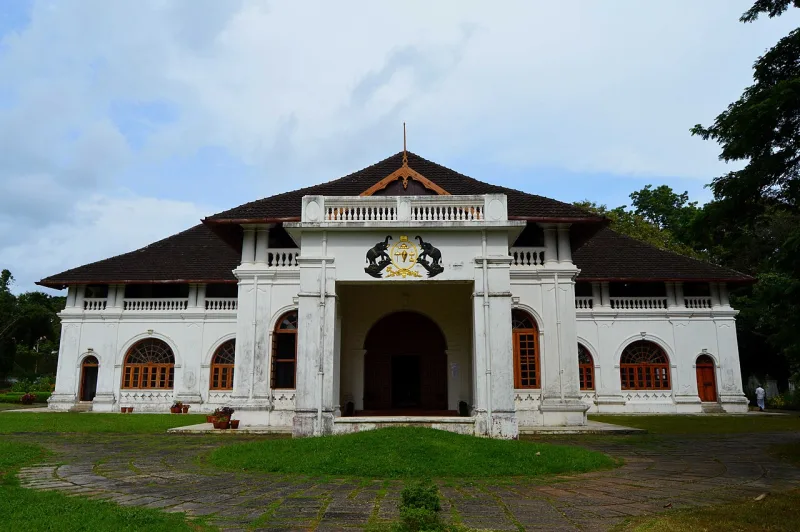
The grounds of a former palace near Guruvayur where the temple's captive elephants are kept, visited to see their daily care.
Devotees who offer an elephant to Lord Krishna at Guruvayur are continuing an old custom, and the animals so gifted need somewhere to live. Punnathur Kotta, a former fort and palace compound at Kottapadi about three kilometres from the temple, serves as their home and is widely known as the Anakkotta, the elephant fort.
The property once belonged to a local ruling family. The temple authorities acquired it in the 1970s and moved the elephants here from the crowded surroundings of the shrine. Over the years dozens of elephants have been kept in the grounds, one of the largest such groups of captive elephants anywhere, attended by mahouts who feed, bathe and exercise them.
Visitors walk through a wide, shaded area where elephants are tethered or being washed. One can observe the preparation of food, including palm fronds and rice, and the scrubbing with coconut husk. The names of elephants who have served the temple are remembered with affection, and the legendary Guruvayur Kesavan is honoured with a statue near the temple.
It is right to say plainly that keeping elephants in captivity is a matter of serious public concern. Animal welfare groups and courts have raised questions about chaining, space, health and the use of elephants in festivals. Visitors will see restraints that may trouble them. Each person can decide whether to go; those who do should observe attentively and avoid any behaviour that adds to the animals' stress.
Safety rules are strict for good reason. Elephants can be unpredictable, particularly bulls in musth, and accidents have occurred. Stay at the distance indicated, never step past barriers, do not touch, feed or tease the animals, avoid loud noises and flash, and keep children close. Obey mahouts immediately. Selfies close to an elephant are dangerous.
Entry is by ticket during set daytime hours; confirm timings and photography rules, as they change. Closures can occur for health reasons or special care periods. Wear footwear suited to wet ground. An hour is sufficient.
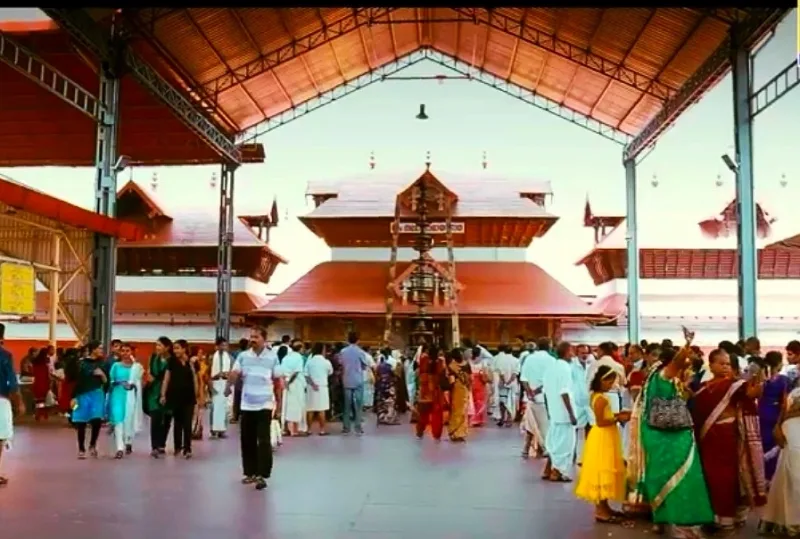
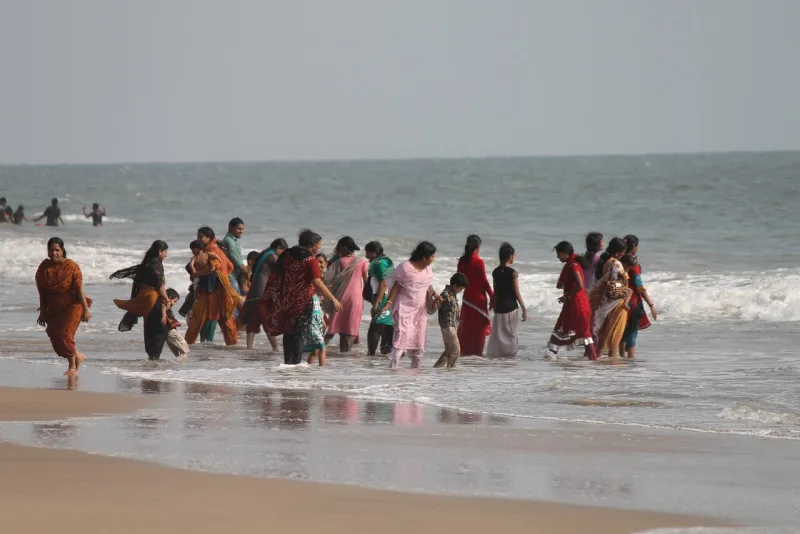
The visit is usually combined with darshan at the Guruvayur Sree Krishna temple, which has its own dress code and queues, and with the Mammiyur Shiva temple. The Palayur church, Chavakkad beach and the institute of mural painting run by the temple board are other possibilities.
October to February offers the most comfortable weather. Mornings are best, when bathing and feeding are more likely to be seen and the heat is low.
Those who want to see elephants in a more natural setting may prefer the forests of Wayanad, Periyar or Chinnar, where sightings are never promised but animals move freely. Punnathur Kotta, by contrast, shows the long and complicated relationship between people, faith and elephants in Kerala. Approach it thoughtfully, keep your distance and let the experience prompt questions about how such magnificent creatures should be cared for. Check current rules before visiting.
Parents may wish to talk with children beforehand about how wild elephants live in families and travel great distances, and afterwards about what they noticed here. Such a conversation turns a quick look into a lesson in empathy. Photographs should be taken only from permitted positions, without calling to the animals or asking mahouts to make them pose. Visitors who have concerns about the treatment of any animal can raise them politely with the temple authorities. Wash your hands after the visit, and keep footwear suitable for muddy paths. Then continue to Guruvayur for darshan, or to the coast for a quieter end to the day.
Check the opening hours before you travel, as they can change on festival days or for the care of the animals.
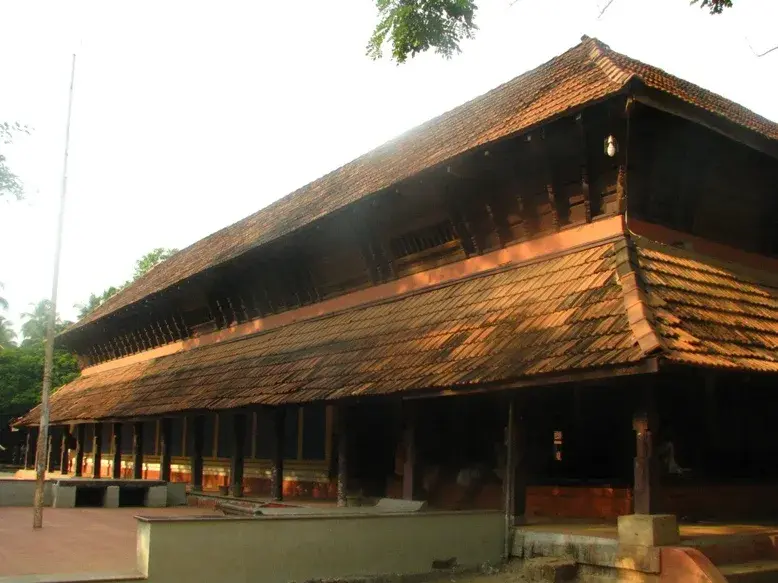 Photo: arunpnair · CC BY-SA 2.0