Kottayam's central Shiva temple, believed to date from around the sixteenth century, admired for its mural paintings and lively spring festival.
In the middle of Kottayam's busy streets, behind a broad open ground, stands the temple that gives the neighbourhood its name. Thirunakkara Mahadevar Temple is dedicated to Shiva and is counted among the one hundred and eight celebrated Shiva temples of Kerala. For townspeople it is a landmark, a meeting point and a place of daily prayer.
It is believed to have been built around the sixteenth century by a ruler of Thekkumkur, the small kingdom that once governed this area before it was absorbed into Travancore in the eighteenth century. A story tells that the king, a devotee who regularly visited another distant Shiva temple, was granted the deity's presence closer to home. Whatever the details, the temple reflects the patronage of the old royal house.
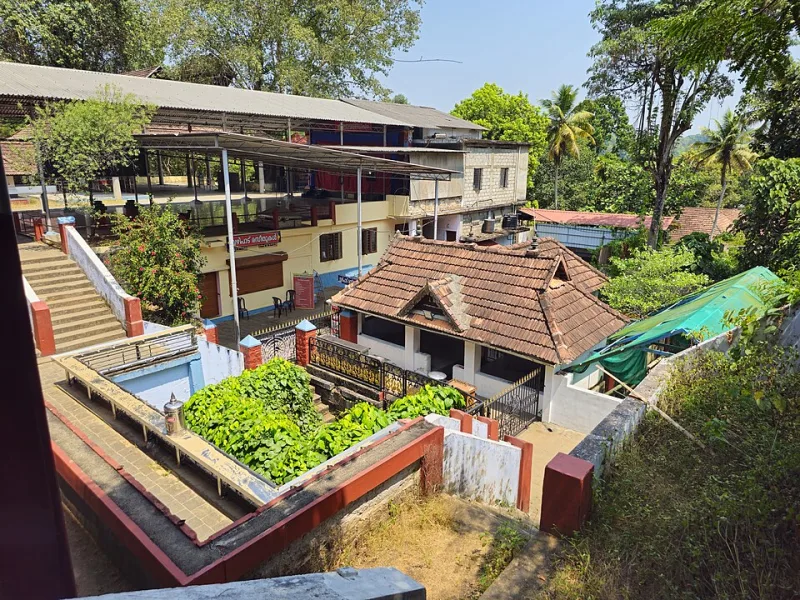
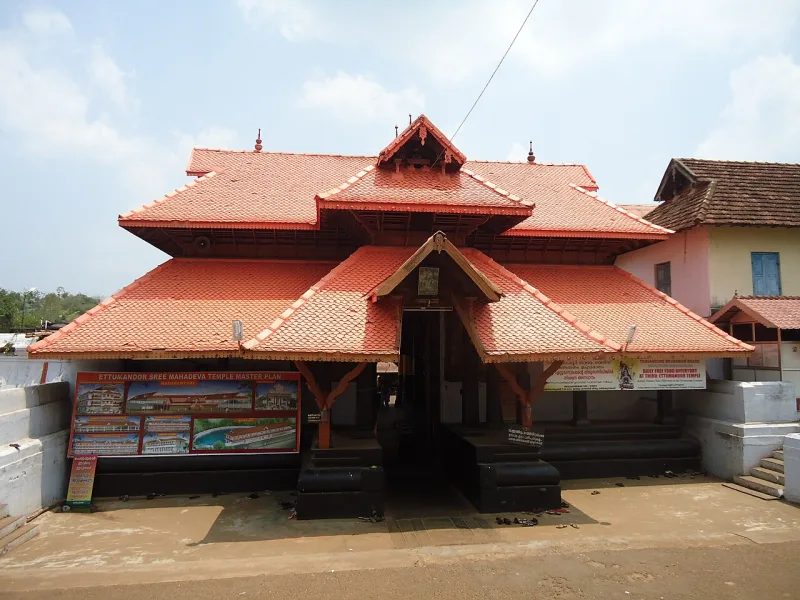
The complex covers about four acres. A compound wall encloses the courtyard, the central sanctum with its sloping roofs and a number of subsidiary shrines to deities including Parvati, Ganesha, Ayyappa and Subrahmanya. The structure shows the Kerala builder's skill with timber, and the proportions give a sense of calm even with traffic close outside.
Mural painting is a special attraction. Walls carry scenes from the epics and Puranas in the warm earth colours and flowing outlines typical of the Kerala tradition. They reward slow looking, though some areas have aged and photography is usually forbidden. Please do not lean against or touch painted surfaces.
The temple's annual festival, generally in March in the month of Meenam, lasts several days. Caparisoned elephants, percussion ensembles that build to thrilling crescendos, and performances of classical and folk arts draw large crowds to the temple and the adjoining maidan. The day when elephants line up for the evening spectacle is particularly popular. Find a safe place well away from the animals, hold children close and follow police instructions.
Daily worship takes place in the morning and evening, with a closure during the middle of the day. The hour when lamps are lit is peaceful and beautiful. Men usually remove shirts inside, women dress modestly and all leave footwear outside. Offerings are arranged at the counter. Non-Hindus should ask about access.
An hour is enough on ordinary days. Parking near the centre is limited, so an autorickshaw is practical. Shops around the ground sell flowers, lamps and refreshments, and Kottayam has many good eating places.
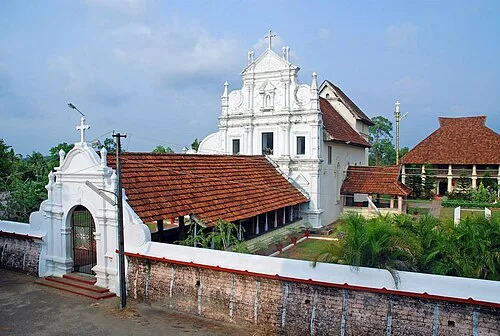
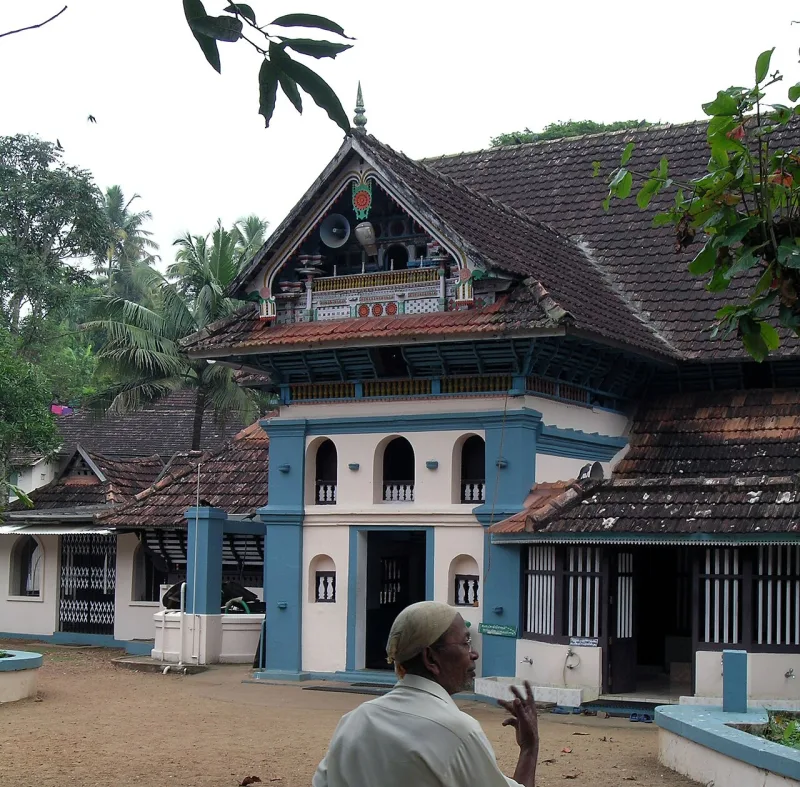
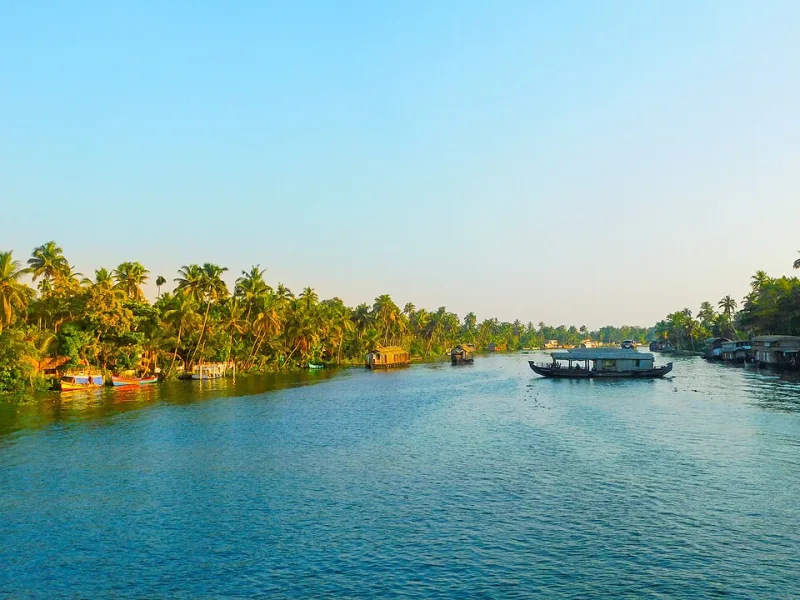
The town is a fine base for exploring other faiths and landscapes. Within a short distance are the old Syrian churches known as the Valiyapally and Cheriapally, with their painted interiors, and the Thazhathangady Juma Masjid beside the Meenachil river, famous for woodwork. The Kumarakom bird sanctuary and Vembanad lake lie to the west, while Vaikom and Ettumanoor have great Shiva temples that devotees often visit on the same day.
October to March offers the most comfortable weather. The monsoon is heavy in Kottayam, so carry an umbrella and expect wet stone underfoot.
Thirunakkara shows how a historic temple continues to anchor a modern town. Office workers pause at the gate, elderly devotees circle the shrine at their own pace and, in festival season, the whole district seems to gather on the open ground. A visitor who comes quietly at dusk, when the first lamps flicker along the walls, will see the building at its best and understand the affection in which Kottayam holds it. Confirm festival dates before planning around them.
Travellers with an interest in temple art can ask at the office which walls carry the best preserved paintings and when the light is most helpful for seeing them. Before leaving, walk once around the outer ground and look back at the roofline against the sky, a view that has changed far less than the town around it. If you hear percussion practice or a recital in the evening, stay a while; many local artists regard performing here as an offering, and a respectful audience is always welcome at the edge of the courtyard.
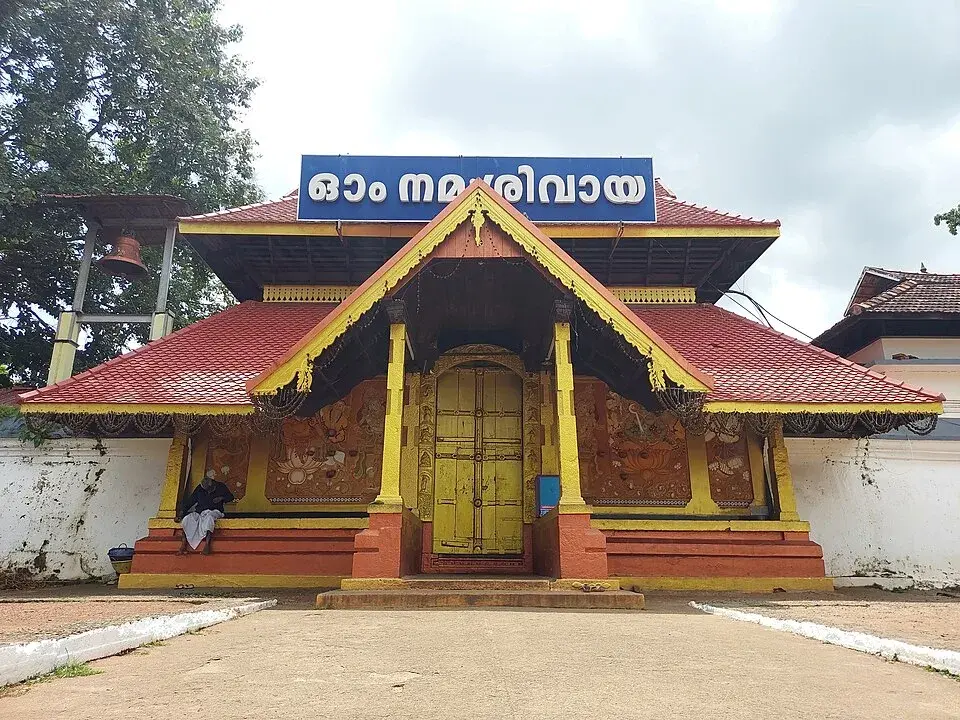 Photo: Vis M · CC BY-SA 4.0