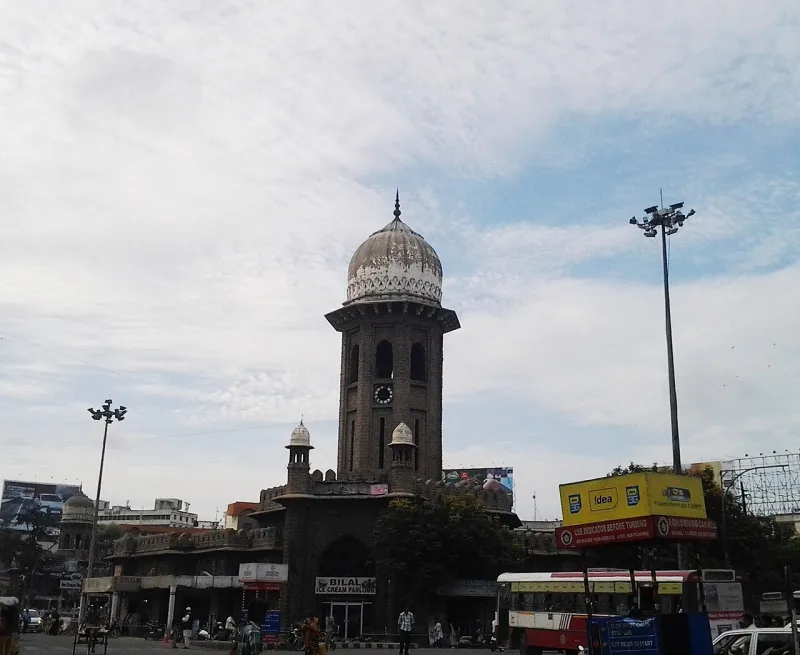
Photo: Sailko · CC BY 3.0

Temple / religious celebration

Bibi ka Alam Muharram Procession

Bibi ka Alawa, Dabeerpura, to Chaderghat, Hyderabad, Telangana

The tenth day of Muharram (Ashura); the date moves about eleven days earlier each year.

A centuries-old Ashura procession in which a revered standard is carried on an elephant through the Old City.

When
The tenth day of Muharram (Ashura); the date moves about eleven days earlier each year.
Where
Bibi ka Alawa, Dabeerpura, to Chaderghat, Hyderabad, Telangana
Organised by
Custodians and Shia community organisations, with city authorities

About the celebration

What to expect

A centuries-old Ashura procession in which a revered standard is carried on an elephant through the Old City.

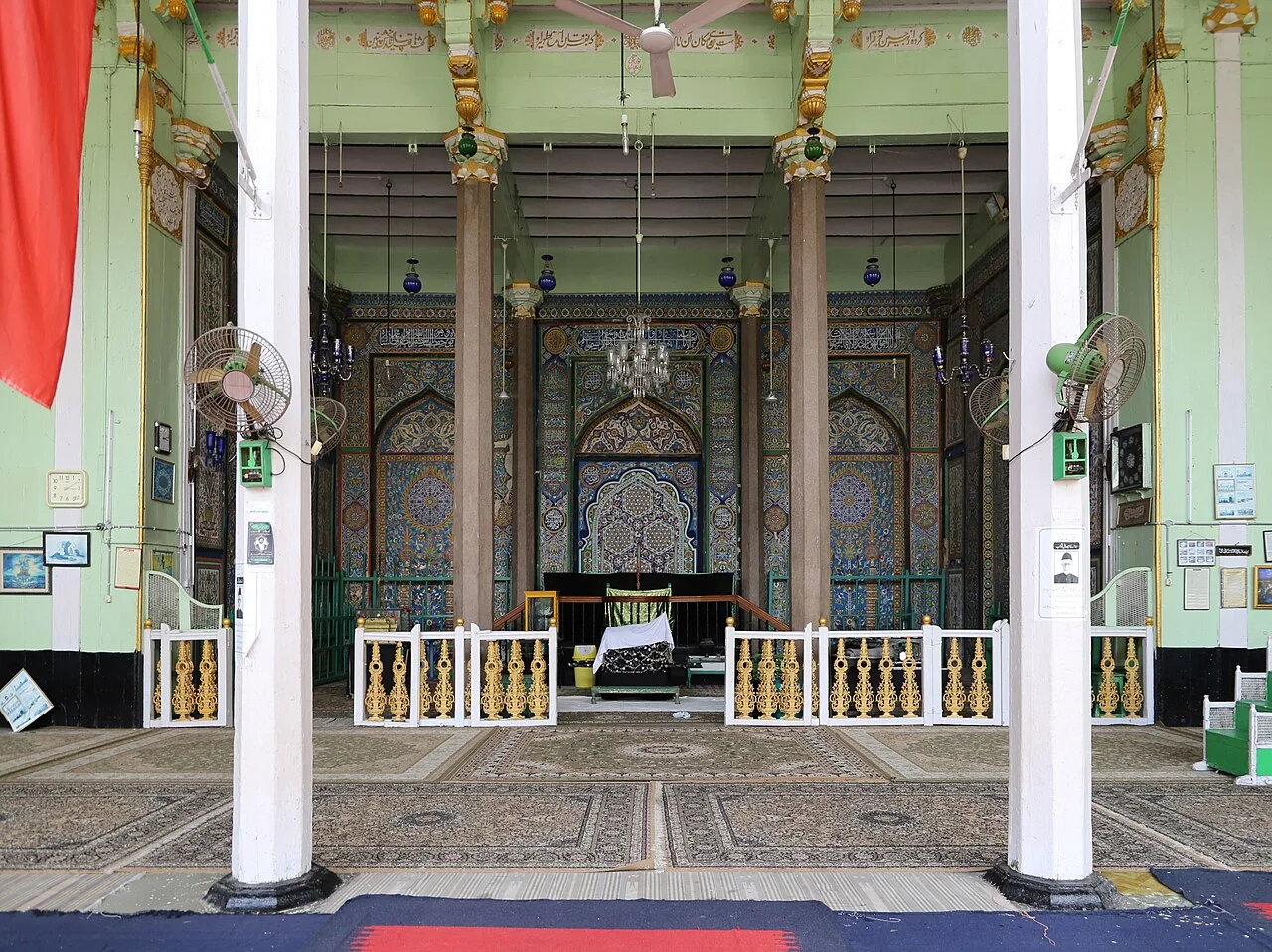
The Bibi ka Alam procession is a centuries-old Muharram observance in which a revered standard is carried on an elephant through the Old City of Hyderabad. Held on Ashura, the tenth day of Muharram, it is the most solemn day of mourning for Shia Muslims, who remember the martyrdom of Imam Hussain, grandson of the Prophet, and his companions at Karbala. The date follows the Islamic lunar calendar and therefore moves about eleven days earlier each year. An alam is a sacred standard, a symbol carried in memory of those who fell. The Bibi ka Alam is associated with Bibi Fatima, daughter of the Prophet and mother of Imam Hussain, and holds a piece of wood venerated for its association with her. Accounts trace the observance to the Qutb Shahi era, with one dating it to 1594. A queen is said to have installed the alam at Golconda in memory of Bibi Fatima. In the time of the Nizams it was moved to the house at Dabeerpura known as Bibi ka Alawa, which carries the date 1784. On Ashura the alam leaves Dabeerpura and travels about five kilometres past Charminar and other landmarks of the old quarter to Chaderghat, from around midday into the evening. Carried high on the back of an elephant, it can be seen above the great gathering. Men and women in dark or sober clothes accompany it, reciting elegies, weeping and beating their chests in grief. The procession pauses at historic ashurkhanas and at points where families have waited for generations to offer their respects. Along the route, stalls give water, sherbet and food freely, recalling the thirst suffered at Karbala. Members of the Nizam's family have traditionally made offerings, and people of other communities line the streets and provide refreshment. This shared courtesy is one of the memorable features of the day, showing how a religious mourning has been respected by the whole city for centuries. It is essential to understand that this is not an entertainment or a festival in the cheerful sense. Some mourners practise self-flagellation with blades or chains, which may be distressing to watch, and parents should consider this before bringing children. Visitors who come to observe should wear sober clothes, keep silence or speak quietly, give mourners ample room and never laugh, push or treat the occasion as a spectacle. Ask before photographing anyone, avoid close images of people in grief and put your camera away whenever you are requested to do so. The Old City is crowded and many roads are closed. Use public transport as far as arrangements allow, with the Mahatma Gandhi Bus Station metro interchange a major access point, and be prepared to walk. Follow police and volunteers. Choose a place at the side of the route well before the procession arrives, stay out of the path of the elephant and keep clear of the densest groups. Carry water, protect yourself from the sun, secure your belongings and note an exit lane in case you need to leave. Do not distribute or accept items in a way that blocks movement. Custodians and Shia community organisations conduct the observance with the help of city authorities. Timings and route arrangements are announced each year, so consult official notices. Before the day, a quiet visit to the Badshahi Ashurkhana, with its seventeenth century tile mosaic, can help you understand the tradition of remembrance in Hyderabad; during Muharram it too is a place of mourning, so enter only with respect. To watch the Bibi ka Alam pass is to witness a story of sacrifice, loyalty and faith kept alive through generations, in a city where many who do not share the belief still bow their heads as the standard goes by.
  • The alam on elephant back
  • Water and food stalls
  • Stops at historic ashurkhanas

Origin and history

Accounts trace the observance to the Qutb Shahi era, with one dating it to 1594. A queen is said to have installed the alam at Golconda in memory of Bibi Fatima, daughter of the Prophet; it holds a piece of wood venerated for its association with her. It was moved to the Dabeerpura house in the Nizams’ time, which carries the date 1784.

Stories worth knowing

A mourning the whole city respects

Members of the Nizam’s family have traditionally made offerings along the route, and people of other communities line the streets and provide refreshment.
Photos (1)

Photo credits
  1. Photo: Sailko · CC BY 3.0 · Source

Visitor tips

  • This is a solemn religious mourning, not an entertainment
  • Wear sober clothes
  • Some mourners practise self-flagellation, which may be distressing to watch
  • Ask before photographing

Getting there

Use the metro, TGSRTC buses or cabs; expect traffic diversions on big days.

Open directions in Google Maps

Sources

Where the details on this page come from. Timings, fees and phone numbers change, so confirm them before you travel.

Nearest places to Bibi ka Alam Muharram Procession

Distances are in a straight line from Badshahi Ashurkhana; travel by road is longer.
Places near me