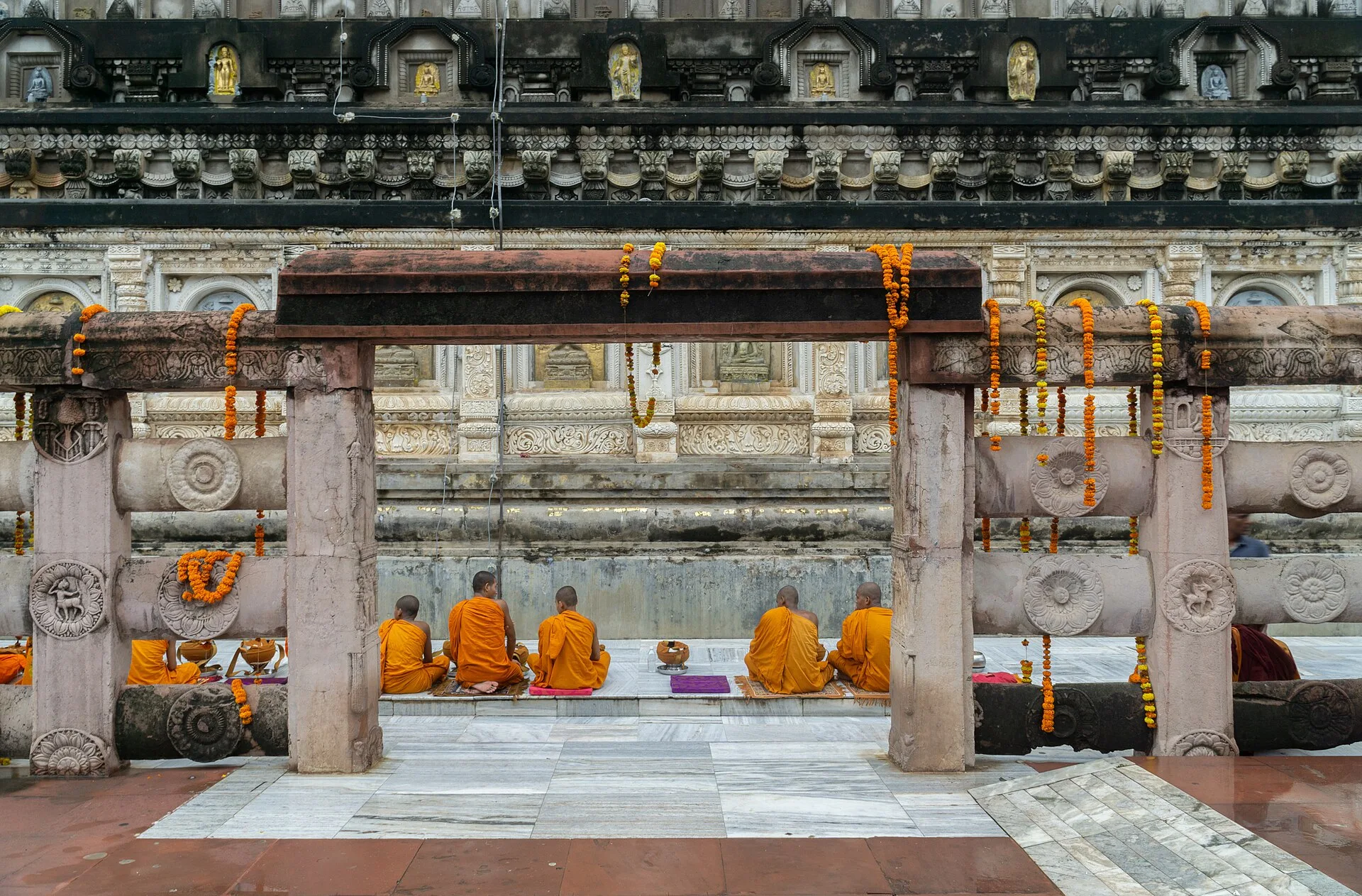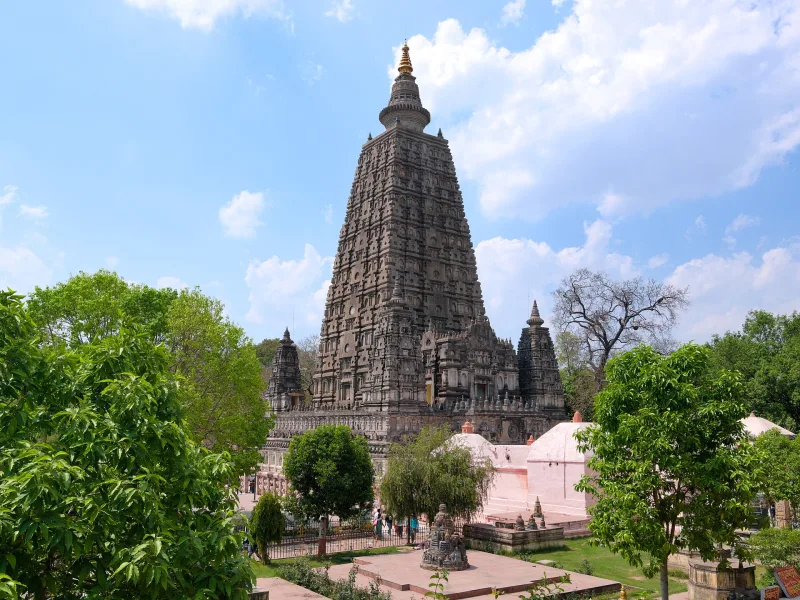
Photo: Sumitsurai · CC BY-SA 4.0
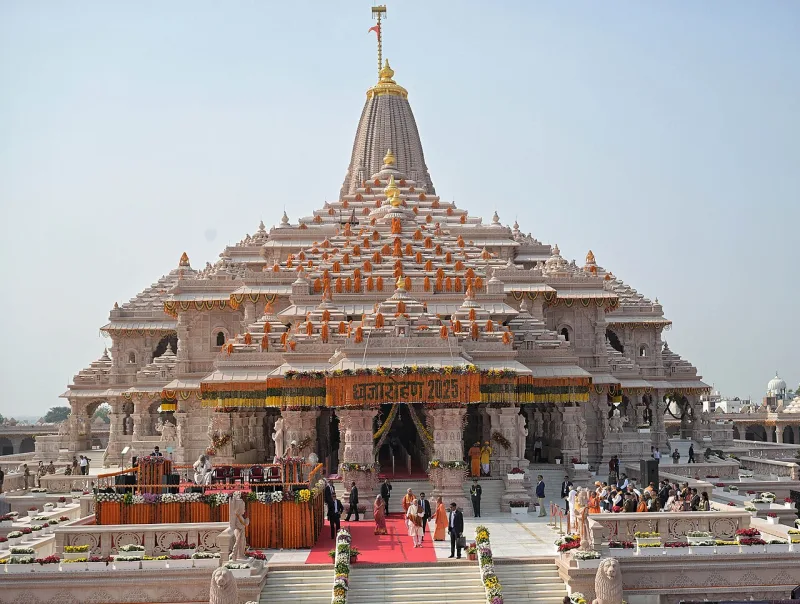
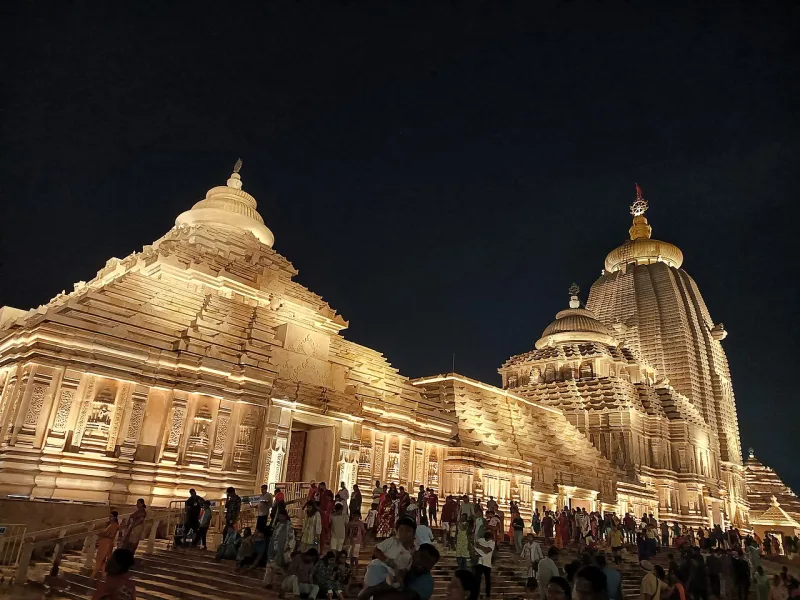
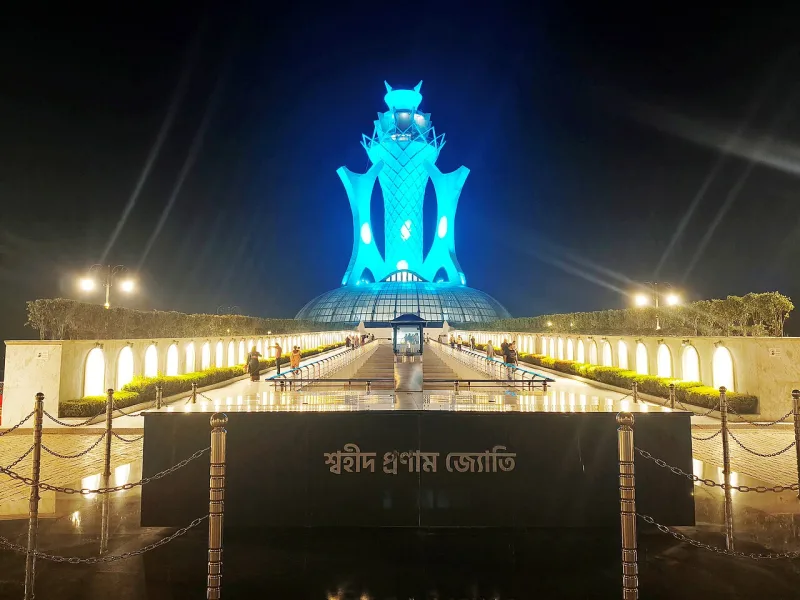
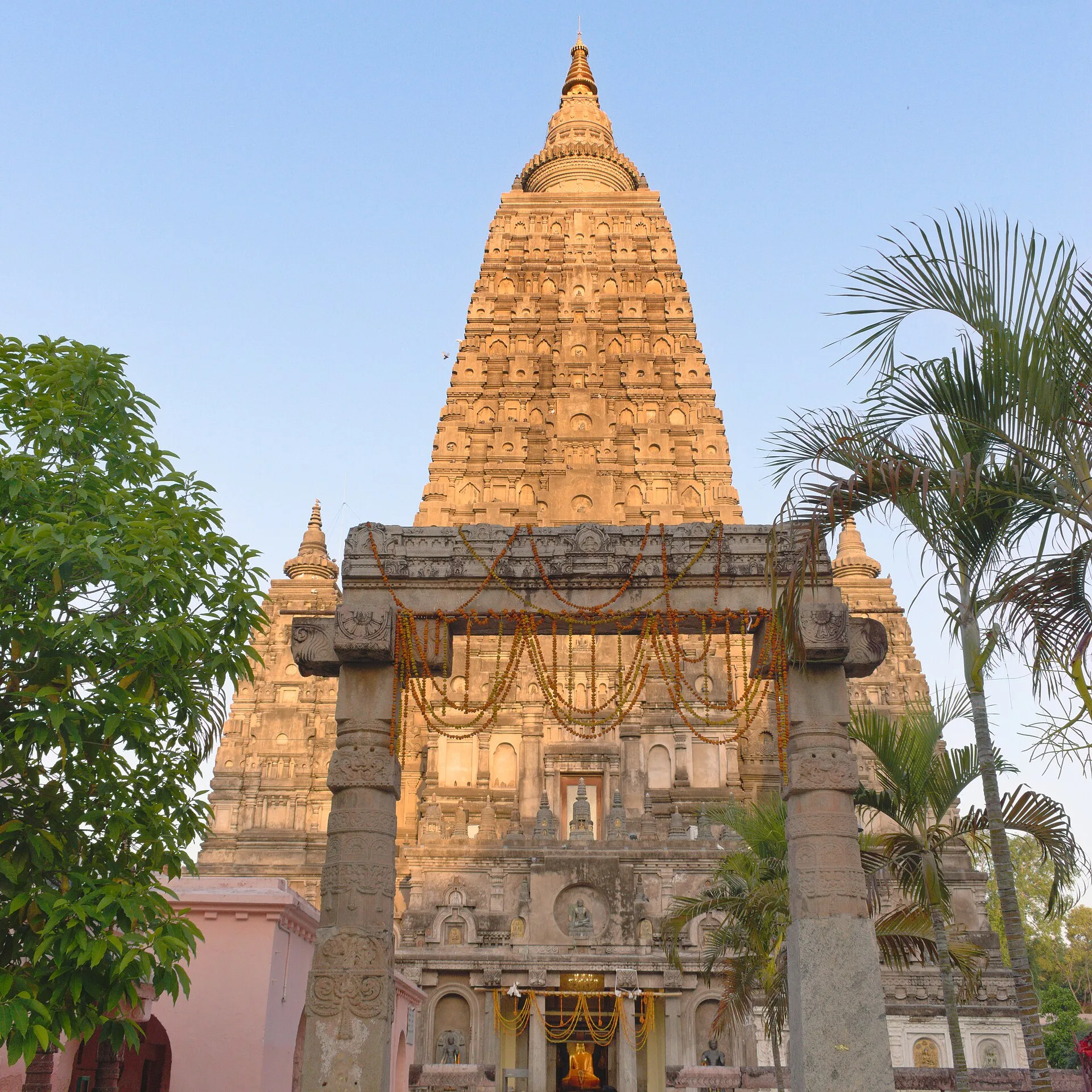
Photo: Rohit Sharma · CC BY-SA 4.0

Temple / religious celebration

Buddha Purnima at Bodh Gaya

Mahabodhi Temple complex, Gaya, Bihar

Full moon of Vaisakha.

Prayers and processions marking the birth and enlightenment of the Buddha.
When
Full moon of Vaisakha.
Where
Mahabodhi Temple complex, Gaya, Bihar

About the celebration

What to expect

Prayers and processions marking the birth and enlightenment of the Buddha.

Buddha Purnima at Bodh Gaya marks the birth and enlightenment of the Buddha with prayers and processions around the Mahabodhi Temple. Observed on the full moon of the month of Vaisakha, in April or May, it brings monks, nuns and lay followers to the place where, according to Buddhist tradition, Siddhartha Gautama awakened beneath the Bodhi Tree. In many traditions the same day also recalls his passing into final liberation, so that three defining moments of his life are honoured together. It is widely known as Vesak or Buddha Jayanti. To spend this day in Bodh Gaya is to see the worldwide Buddhist community in one small town. Robes of saffron, maroon, brown and grey move along the same paths, and chants rise in Pali, Sanskrit, Tibetan, Thai, Japanese and other languages. Pilgrims from India's own Buddhist communities, many dressed in white, arrive in large numbers alongside visitors from neighbouring countries. The monasteries of different lands open their doors and hold ceremonies in their own styles. The observances at the great temple begin early. Processions set out through the town, often carrying flags, relic representations or images of the Buddha, and make their way to the Mahabodhi complex. The temple is decorated with flowers, garlands, banners and lights. Beneath and around the Bodhi Tree, groups sit in rows for recitation of scriptures, the taking of precepts and meditation. Offerings of flowers, incense, lamps and food are made, and many devotees prepare or share kheer, the sweet rice pudding that recalls the meal Sujata offered to Siddhartha before his awakening. Generosity is a central part of the celebration. People give alms to monks and nuns, distribute food and water to pilgrims and perform acts of kindness. As evening comes, butter lamps and candles are lit in great numbers around the stupas and walkways, and the tall temple tower glows against the sky. The full moon rising over the compound is a moment many visitors remember, when conversation drops and the soft sound of chanting fills the garden. Visitors of all backgrounds are welcome to observe with respect. Wear modest, light-coloured clothing, remove footwear where required, walk clockwise around the shrine and keep your voice low. Do not step across the sitting rows of practitioners, sit with your feet turned away from the temple and ask before photographing anyone in prayer. Security is careful at the Mahabodhi complex, and mobile phones, bags and other items may be restricted, so travel light and use the cloakroom. April and May are among the hottest months in Bihar. Carry water, protect your head, plan your longer walks for early morning and evening and rest during the middle of the day. Wear socks if the stone paving is hot. Older visitors and those with health concerns should take particular care in crowds and heat. Bring only what you need, keep valuables secure and be thoughtful about offerings, choosing items that do not create litter around the sacred tree. The programme of processions, prayers and talks is arranged each year by the temple management committee, monasteries and local authorities, so check the timings once you arrive. The date changes in the Gregorian calendar because it follows the lunar month. Accommodation in monastery guesthouses and hotels should be reserved in advance, even though the winter prayer season is usually the town's busiest period. Gaya International Airport and Gaya Junction are the main points of arrival, with road transport continuing to Bodh Gaya. Allow a day on either side of the full moon to visit the great Buddha statue, the international monasteries and the village area linked with Sujata across the river. Sample litti chokha and tilkut in local shops or warm noodle soup in one of the small cafes, and keep one quiet hour for sitting in the temple garden, which is perhaps the truest way to share in what the day means to those who have travelled far to be there. Many pilgrims return the next morning, when the crowd has thinned and the offerings still scent the paths.
  • Chanting beneath the Bodhi Tree
  • Processions of monks from many countries
  • Lamps and flower offerings

Photos (2)

Photo credits
  1. Photo: Sumitsurai · CC BY-SA 4.0 · Source
  2. Photo: Rohit Sharma · CC BY-SA 4.0 · Source

Getting there

Open directions in Google Maps

Nearest places to Buddha Purnima at Bodh Gaya

Distances are in a straight line from Mahabodhi Temple; travel by road is longer.

Places near me