Fort and Palace
Thevally Palace
Kollam, Kerala
📍 890 m away from British Residency, Kollam
An early nineteenth century lakeside palace of the Travancore rulers, now used as a National Cadet Corps headq...
Read more →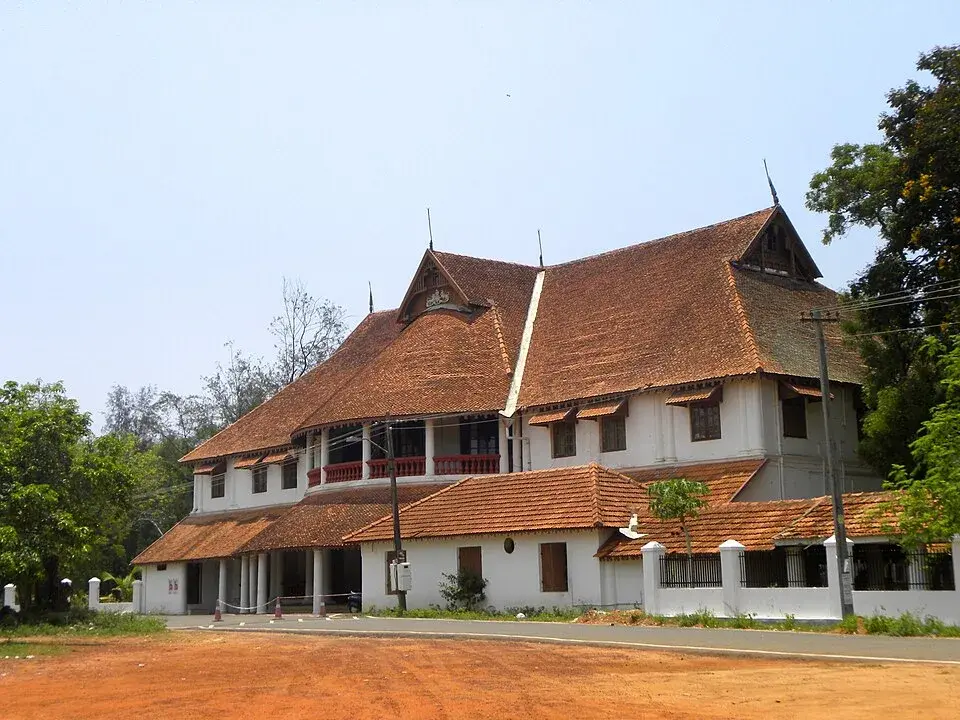 Photo: Arunvrparavur · CC BY-SA 4.0
Heritage and Monument
Kerala · KollamAlso known as Government Guest House Asramam, Residency Bungalow
A two storeyed early nineteenth century mansion at Asramam, built for the British Resident in Travancore and now a government guest house.
About British Residency, Kollam
A two storeyed early nineteenth century mansion at Asramam, built for the British Resident in Travancore and now a government guest house.
What: A colonial era residency building.
Where: Asramam, Kollam, near the old airfield ground.
When: Built between 1811 and 1819.
How: By autorickshaw or city bus.
By whom: Raised in the reign of Gowri Parvati Bayi when Colonel John Munro was Resident; now a state guest house.
For whom: Architecture and history enthusiasts.
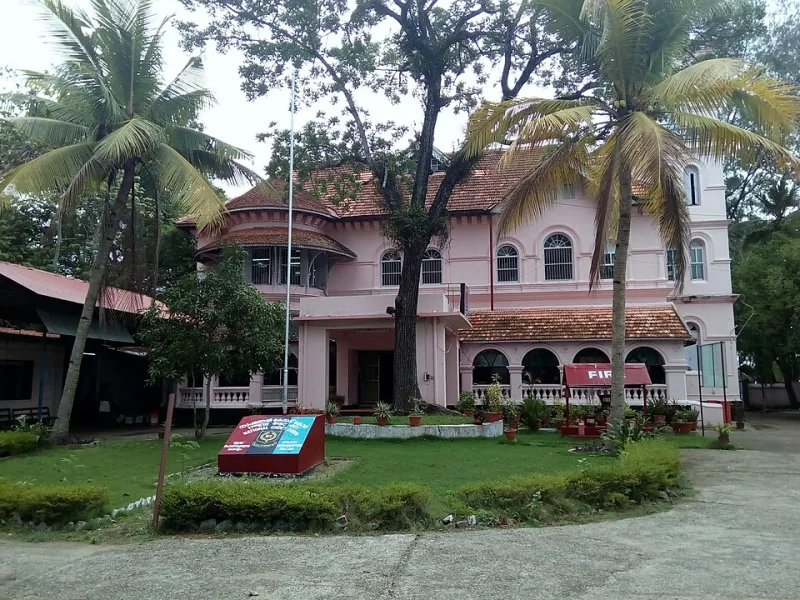
The Residency is a two storeyed building with a rounded central front crowned by a large gable ornament. Above sits a crown with a lion and the royal motto Dieu et mon droit, God and my right. Tall glazed doors about ten feet high open to the interior. Its style mixes European, Tuscan and Indian features, and one admirer called it among the most elegant buildings in India.
Descriptions mention rich wooden flooring upstairs, a conference hall with an antechamber closed by an adjustable partition, a large fanlight over the dividing arch, and walls bordered with cornices, dentils and moulded festoons, urns and flowers. Antique prints in polished frames hang on the walls, including a depiction connected with the battle of Seringapatam. Access to rooms depends on the authorities, since the house is in official use.
Under the system of subsidiary alliance, princely states such as Travancore kept their rulers but accepted a British Resident who represented the East India Company, watched the administration and could exert great pressure. The Residency was both home and office, a visible sign of where power lay.
Colonel John Munro served as Resident in Travancore in the second decade of the nineteenth century and for some years also as Diwan, the chief minister, during the regencies of Gowri Lakshmi Bayi and Gowri Parvati Bayi. He is associated with administrative and judicial reforms and with support for the Church Missionary Society. Historians weigh these reforms against the loss of the state's independence. Munroe Island in the Ashtamudi bears his name.
Gowri Parvati Bayi ruled as regent from 1815 on behalf of the young heir. Her period is remembered for measures concerning education and social restrictions, as well as for building works. The Residency and Thevally Palace are attributed to the same span of years.
Asramam is the green lung of Kollam, with its great maidan, said to be the largest open space in any Kerala corporation, mangrove fringes along the Ashtamudi and a link road across the wetland. The maidan once served as Kollam's aerodrome, the first airport in Kerala. Walking here gives a feeling for the town's former importance.
A rose garden attached to the mansion is mentioned among its attractions. Old trees shade the compound.
Because the building is a government guest house, do not expect museum style entry. Ask at the office or through the district tourism council whether visitors may see the grounds or interior. Be especially considerate when officials are in residence. Dress neatly and photograph only with permission.
The Residency is about 2 kilometres from Kollam Junction railway station and close to the Asramam maidan. The boat jetty on the Ashtamudi is nearby. Thiruvananthapuram airport is about 70 kilometres to the south.
Cool months are best for walking around Asramam. Monsoon showers keep the grounds lush. Summer afternoons are hot.
Visitors interested in the period can link the Residency with Thevally Palace across the water, the Cheena Kottaram rest house near the station, the Chinnakada clock tower and the remains of the old forts at Thangassery. Together they trace Portuguese, Dutch, British and Travancore layers in one city.
Lime plaster, timber and old glass need steady care. Do not lean on carved work or touch framed prints. Public interest, expressed courteously, helps argue for maintenance.
Asramam Sri Krishna temple, the adventure park and boat club, the Police Museum and Ashtamudi cruises are all within a short distance.
Cafes and eating houses are found along the link road and in the city centre.
Can anyone stay there? Guest house rooms are allotted under government rules. Is there a ticket? Not recorded. Is it worth seeing from outside? Yes, the facade is handsome. How long is needed? Half an hour, or more with permission to go inside.
Look at the royal motto above the door and then at the Kerala style roofs and greenery around. The building speaks of a foreign authority that found itself adapting to local climate and craft, and of a state that paid for the house of the person supervising it. Few monuments put that relationship so plainly.
A school group can use the building to discuss how princely India differed from directly ruled British India, a distinction that shaped the map of the country until 1947 and the later formation of Kerala.
Around the mansion lie institutions that have grown up on former official land: offices, sports facilities, clubs and tourism desks. The mangrove edge of the Ashtamudi shelters kingfishers, herons and crabs within sound of traffic. A boardwalk or waterside path, where open, lets the visitor see why the early builders valued this breezy shore, which offered both a pleasant situation and easy travel by boat at a time of poor roads.
For admirers of architecture the Residency is a graceful meeting of styles. For students of politics it recalls a period when a ruler's freedom was limited by an envoy who lived in this house. Both views are accurate. Heritage need not be celebrated or condemned to be worth keeping; it can simply be understood, and a good visit makes room for questions about who paid, who worked and who decided.
The front is best in morning light. Ask the staff before photographing any interior or people.
Old family photographs showing the house, or memories from those who worked there, are valuable. Offer them to local libraries or heritage groups, with permission from anyone shown. Small contributions of this kind help turn a handsome facade into a documented history that future visitors can read before they arrive.
Accept it politely, enjoy the view permitted from outside and spend the time on the Asramam waterfront instead.
The waterfront walk is pleasant in the early evening.
+ Add your photos Been here? Share what you saw.
Instagram Reels and YouTube Shorts by vloggers and visitors.
Space for a Reel or Short
Space for a Reel or Short
Space for a Reel or Short
Space for a Reel or Short
Full videos, guides and walkthroughs.
No reviews yet. Be the first to share your experience. Reviews appear here once a moderator approves them.
None listed yet.
Address: Asramam, Kollam
Where the details on this page come from. Timings, fees and phone numbers change, so confirm them before you travel.
Distances are in a straight line from British Residency, Kollam; travel by road is longer.
Kollam, Kerala
📍 890 m away from British Residency, Kollam
An early nineteenth century lakeside palace of the Travancore rulers, now used as a National Cadet Corps headq...
Read more →Kollam, Kerala
📍 1.5 km away from British Residency, Kollam
A red brick rest house of 1904 built for the Travancore ruler at the coming of the railway, nicknamed the Chin...
Read more →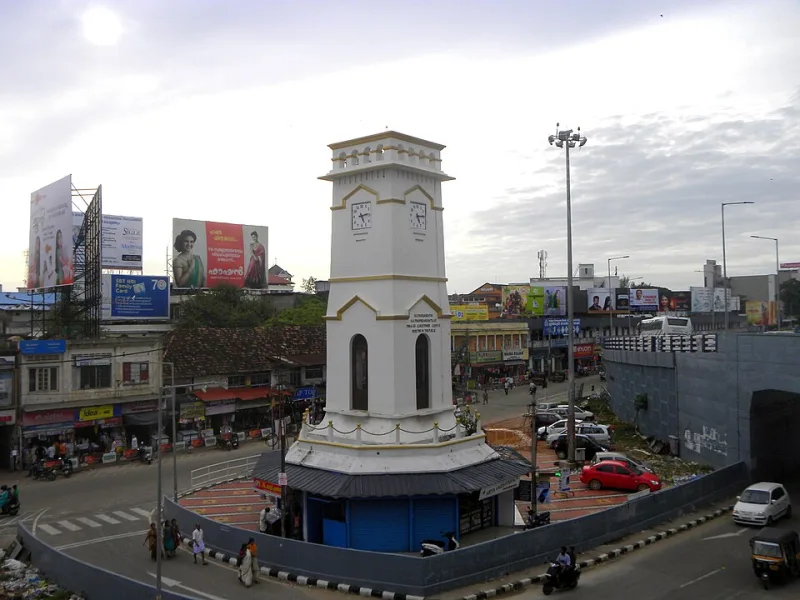
Kollam, Kerala
📍 1.5 km away from British Residency, Kollam
The emblem of Kollam, a four faced clock tower completed in 1944 at the city's busiest junction, remembered as...
Read more →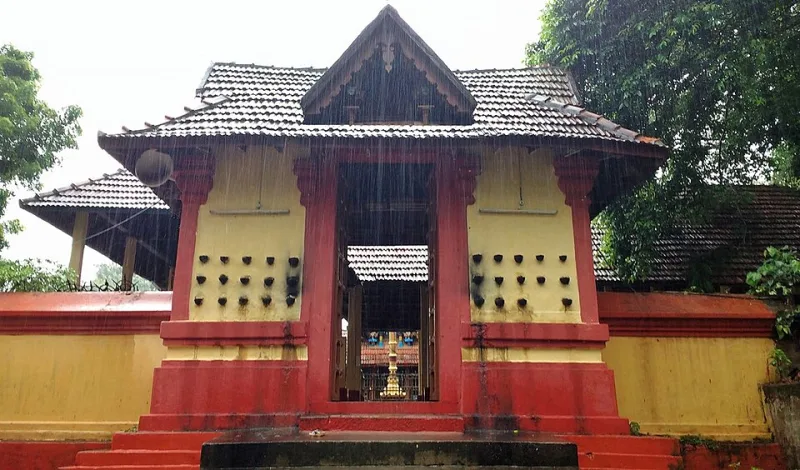
Kollam, Kerala
📍 1.6 km away from British Residency, Kollam
An old city temple of Shiva and Parvathi, who face opposite directions in one sanctum, with an unusual shrine...
Read more →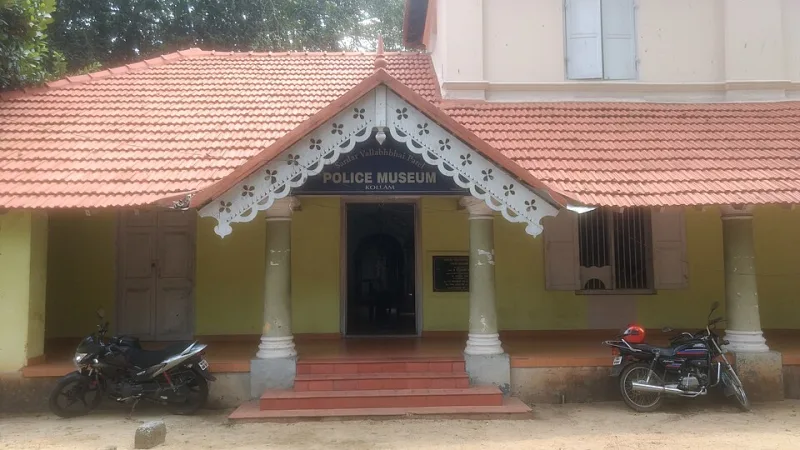
Kollam, Kerala
📍 1.7 km away from British Residency, Kollam
A small museum opposite Kollam station tracing the history of policing, with old weapons, forensic displays an...
Read more →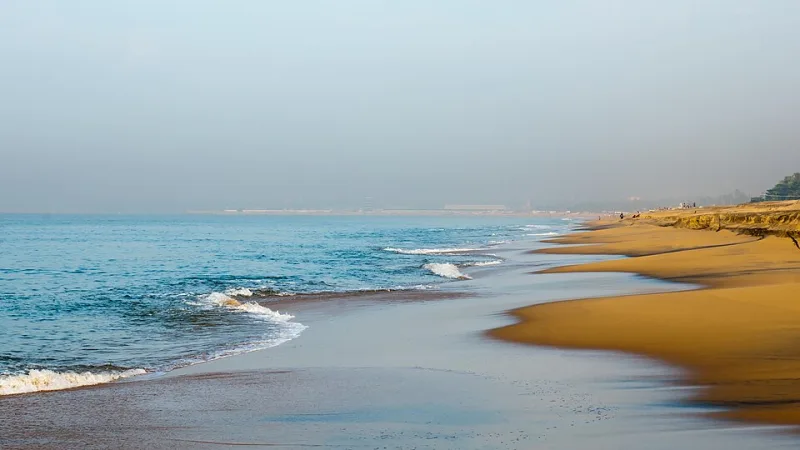
Kollam, Kerala
📍 About 2.5 km away from British Residency, Kollam
The city beach of Kollam, with a seaside park inaugurated in 1961, evening crowds, snacks and wide sunsets.
Read more →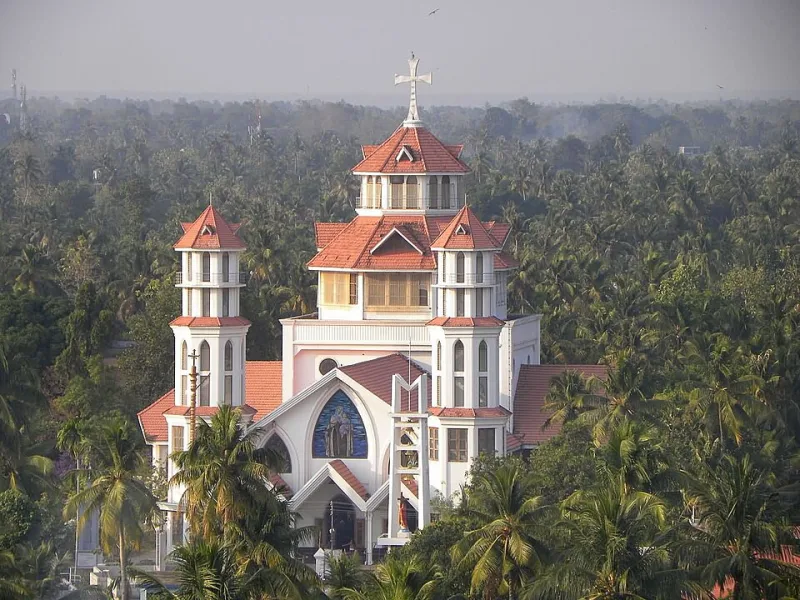
Kollam, Kerala
📍 About 2.7 km away from British Residency, Kollam
The cathedral of the Quilon diocese at Thangassery, on a site of Catholic worship since 1614, rebuilt and cons...
Read more →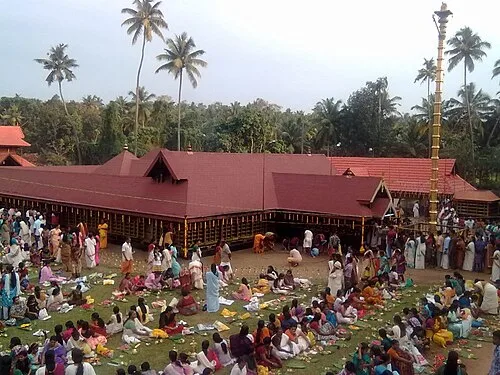
Kollam, Kerala
📍 2.7 km away from British Residency, Kollam
A Shiva temple among the 108 of Kerala tradition, linked with the story of Markandeya and the conquest of deat...
Read more →