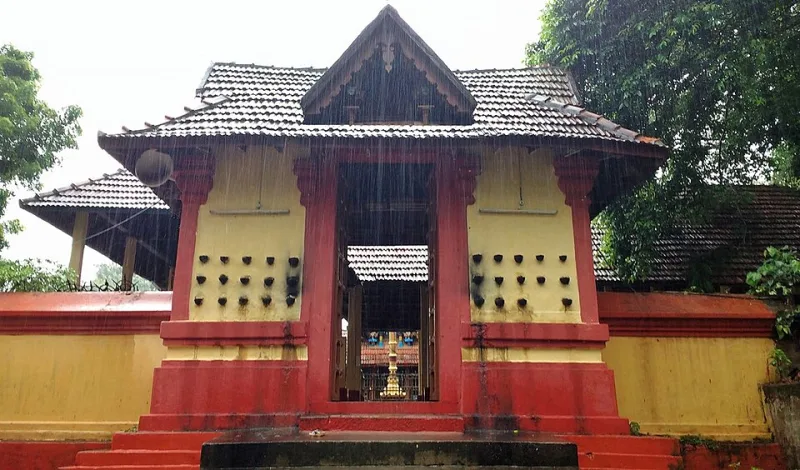
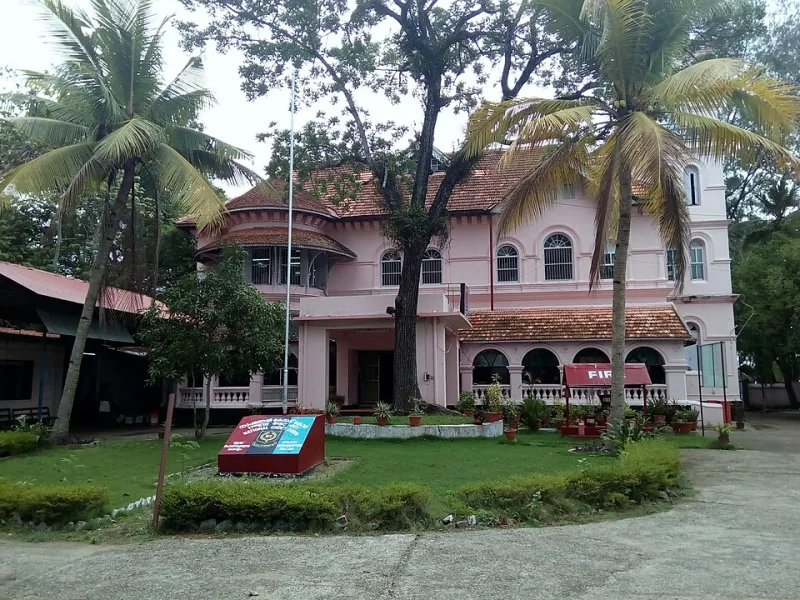
A red brick rest house of 1904 built for the Travancore ruler at the coming of the railway, nicknamed the Chinese palace for its appearance.
At a glance
What: A former royal rest house.
Where: Beside the railway station area of Kollam.
When: Constructed in 1904.
How: A short walk from Kollam Junction.
By whom: Built for Sri Mulam Thirunal Rama Varma, ruler of Travancore.
For whom: Heritage walkers and railway enthusiasts.
The building
Cheena Kottaram is a single storeyed house of red brick with seven rooms. Its style is described as Indo-Saracenic, a manner that joins Indian, Islamic, Moorish and European elements and was favoured for public buildings in British era India. Arches, decorative brickwork and the shape of the roof give it a character unlike the Kerala houses around it.
Why Chinese
The people of Kollam called it the China Palace because it reminded them of old Chinese buildings. The nickname has outlived any formal title. Kollam's own memory of Chinese traders, who came to the port in medieval centuries, may have made the comparison come readily, though nothing connects the builders with China.
The railway arrives
The rest house was completed along with the opening of the line between Quilon and Madras, which ran through the mountain pass by way of Punalur and Shencottah. For the first time the Travancore coast was joined by rail to the rest of the Indian network. The line carried passengers, mail, pepper, timber and later industrial goods.
A royal convenience
At that time Thiruvananthapuram had neither rail nor air connection, so rulers travelling beyond the state set out from Kollam. A comfortable house beside the station let the Maharaja and the party rest before or after the journey. Sree Moolam Thirunal, who reigned from 1885 to 1924, presided over a period of public works, legislative beginnings and expanding education.
Palace city
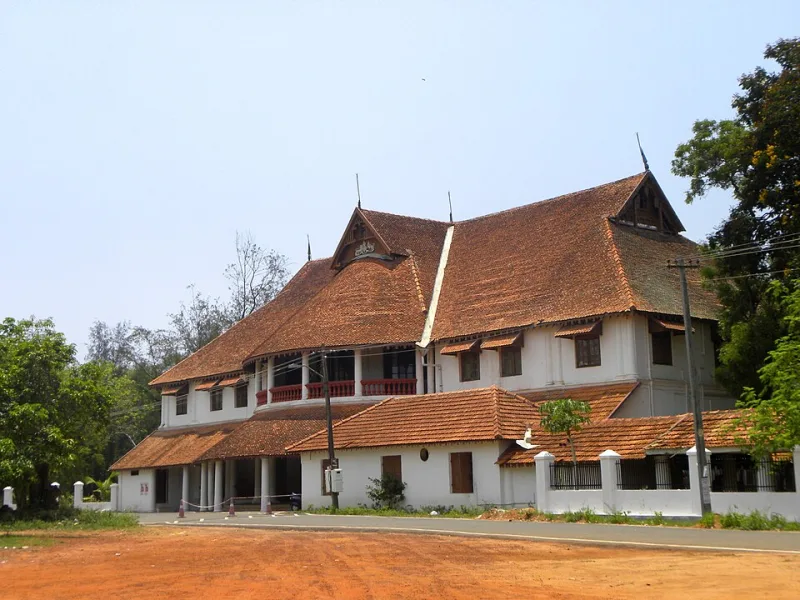
Kollam in those days was called a city of palaces. It was the commercial capital of Travancore, with a thriving port and many official residences. Thevally Palace and the British Residency are survivors of that landscape, and Cheena Kottaram adds the railway chapter.
Condition and recognition
The building has not been granted status as a national heritage monument. Like many smaller historic structures near busy transport land, its care depends on local interest and official decisions. Visitors may find parts closed, altered or in need of repair.
Visiting
Treat it as an exterior sight unless the authority in charge permits entry. Do not climb walls or step into railway premises where the public are not allowed. A quarter of an hour is enough to appreciate the brickwork.
Getting there
The house is near Kollam Junction. City buses and autorickshaws serve the station. Thiruvananthapuram airport is about 70 kilometres away.
A railway heritage walk
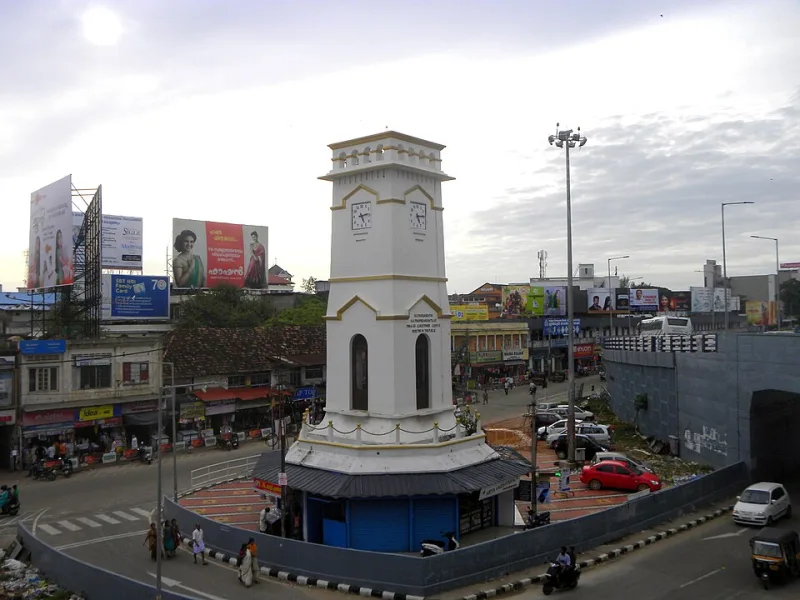
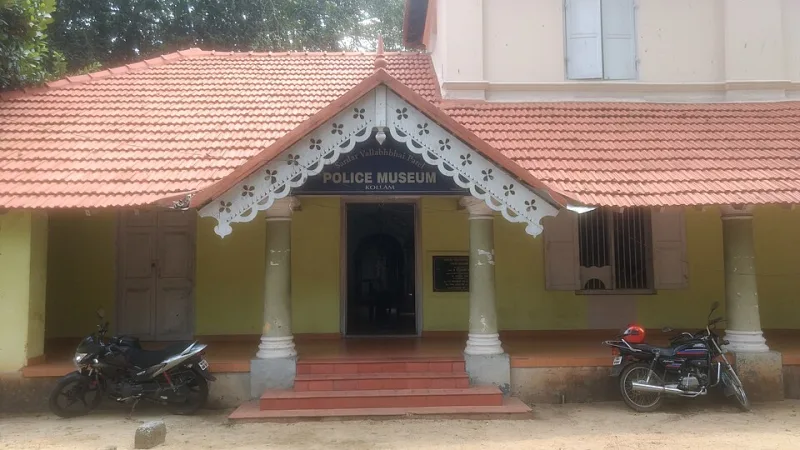
Kollam Junction is among the oldest stations in Kerala. Look at older platform structures where visible, then cross to the Police Museum, walk to the clock tower and end at the market. Within a short distance one meets the transport, administration and trade of a former port capital.
Architecture to notice
Observe how the windows and openings are shaped to admit air while giving shade, how brick is used for ornament and how the low form sits in its compound. Compare it with the white, rounded front of the Residency at Asramam, built almost a century earlier, to see how official taste changed.
Photography
Take pictures from public places. Morning light brings out the colour of the brick. Avoid photographing railway security installations.
Season
The cooler months are pleasant for walking. In the monsoon the red brick glows against dark skies, though footpaths may flood.
Nearby places
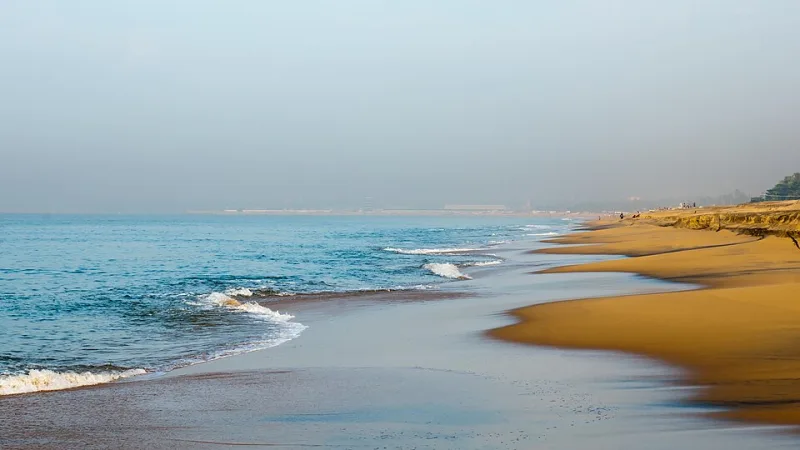
The Chinnakada clock tower, Sri Moolam Thirunal palace site, the beach and the Asramam attractions are close.
Why small monuments matter
A rest house is not a grand palace, yet it records the moment when travel changed. Its walls mark the year when a journey to Madras became a matter of buying a ticket. Preserving such places keeps ordinary turning points visible.
Questions visitors ask
Is it open? Public opening is not reported; enquire locally. Is there a fee? None recorded. Is it Chinese in origin? No, only in nickname. How does one find it? Ask for Cheena Kottaram near the junction station.
Sharing memories
Older residents may recall the building in use. Their recollections, written down with care by students or heritage groups, would add much to the brief published record.
The line today
The Kollam to Sengottai route has since been converted to broad gauge and still passes arched viaducts and forest on its way east. Riding a train from the station beside the old rest house to Punalur and beyond is the best way to understand why the house was built where it stands.
A pause in a busy place
Thousands pass the spot each day on their way to a platform. Stopping for a few minutes to look at the arches is a small courtesy to the craftsmen and a reminder that the busiest corners of a city often hide its older faces.
The people who built the line
The railway through the ghats required cuttings, bridges and tunnels in forest where fever was common and wild animals roamed. Thousands of labourers carried earth and stone, and many of their names were never recorded. Merchants of Quilon and Tinnevelly had pressed for the link, expecting trade in pepper, timber, salt, cloth and plantation produce. The rest house at the western end was a small and comfortable footnote to that large effort. Remembering the workers gives the red walls a fuller meaning.
What the future might hold
Buildings like this are sometimes restored as small museums, reading rooms or visitor centres. A railway and port history display would suit the setting well, telling how goods moved from boat to wagon in this city. Nothing of the sort is announced in the sources used here. Residents who wish to see it can raise the idea with the municipal corporation and heritage bodies.
Looking closely
Spend a moment on the joints between bricks, the curve of each arch and the way the roof meets the wall. Such details show the care of masons whose work has stood for more than a century in salt laden coastal air. Where plaster or later additions hide the original surface, compare one side with another. This quiet inspection, done from outside the boundary, is often more rewarding than a hurried photograph taken from a passing vehicle.
Pairing tip
See it just before or after the Police Museum, a few minutes away.