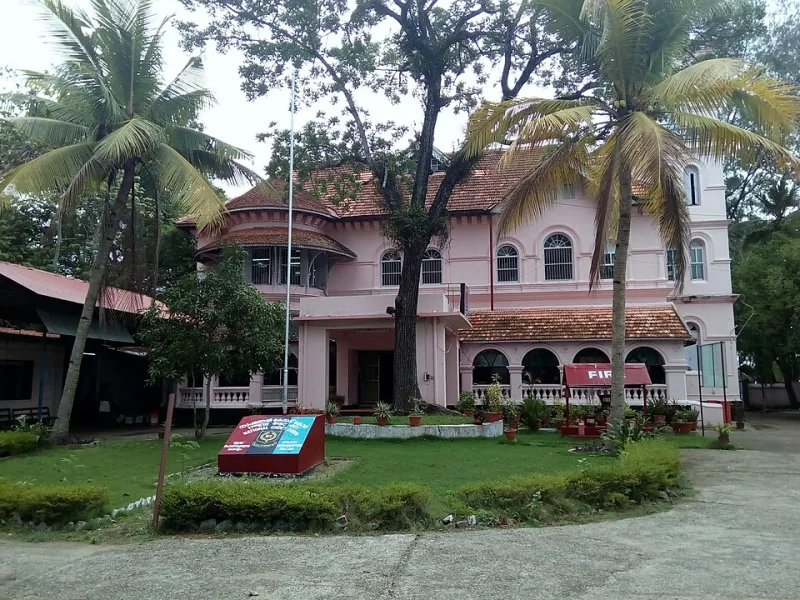
A small museum opposite Kollam station tracing the history of policing, with old weapons, forensic displays and medals.
At a glance
What: A police history museum.
Where: Opposite Kollam Junction.
When: Opened in 2000.
How: On foot from the station.
By whom: Run in connection with the police and dedicated to Vallabhbhai Patel.
For whom: Students, families and travellers with an hour to spare.
What it shows
The museum follows the history and growth of policing in India. Visitors see arms and ammunition from the eighteenth and nineteenth centuries, bullets, guns and equipment, charts explaining DNA testing, human bones used in forensic explanation, fingerprint material, photographs of police dogs and a range of medals awarded to officers of different ranks.
The man it honours
Sardar Vallabhbhai Patel was India's first deputy prime minister and home minister. He is remembered above all for bringing more than five hundred princely states into the Indian Union, and for shaping the all India services, including the Indian Police Service. A concrete statue of him weighing about 1.1 tonnes, made by a police constable named Santosh, was unveiled at the museum in January 2005.
Why it matters in Kollam
Kollam belonged to the princely state of Travancore, which joined India after independence and later became part of Kerala. A museum named for the minister who managed that integration is therefore connected with the story of the town itself.
Forensic science for beginners
The displays on fingerprints and DNA are a good introduction for school pupils. No two people are known to share the same fingerprints, which made them one of the earliest reliable means of identification; India played an early part in developing the method, in Bengal in the late nineteenth century. DNA testing now allows tiny traces to link or clear a suspect. Ask guides to explain what such evidence can and cannot prove.
Dogs and medals
Photographs of police dogs interest children. Dogs are trained to track people, find explosives and detect drugs, working with handlers who care for them over many years. The medals record gallantry and long service and invite talk about the risks officers face.
Old weapons
Antique firearms show how technology changed from muzzle loaded guns to later designs. They are historical objects behind protection; do not handle anything unless staff offer it.
Visiting
Opening days and hours should be confirmed, as small official museums may close on holidays or for duties. Entry rules and any fee are decided locally. Photography may be limited. Allow under an hour.
Getting there
The museum is about 100 metres from Kollam Junction, with the city bus stand at Andamukkam about a kilometre away and the state transport bus station about 1.7 kilometres. The port is some 3 kilometres off and the beach a little over 2.
For train travellers
Because of its position, the museum is a convenient visit between connections. Keep an eye on the time and allow a margin for crossing the road and reaching the platform.
Season
As an indoor attraction it suits rainy days and hot afternoons. Kollam's weather is warm and humid throughout the year with a heavy monsoon from June.
With children
Prepare them to look without touching. Let them find a medal, a dog photograph and a fingerprint chart, then ask what job each represents. Some exhibits such as bones may need a gentle explanation.
Civic education
The museum can open a conversation about the role of police in a democracy: preventing crime, helping people in distress and working under law, including duties to respect rights. Students might note emergency numbers, 112 being the single number for urgent help.
Accessibility
Ask staff about steps and seating. Visitors using wheelchairs should enquire in advance.
Nearby places
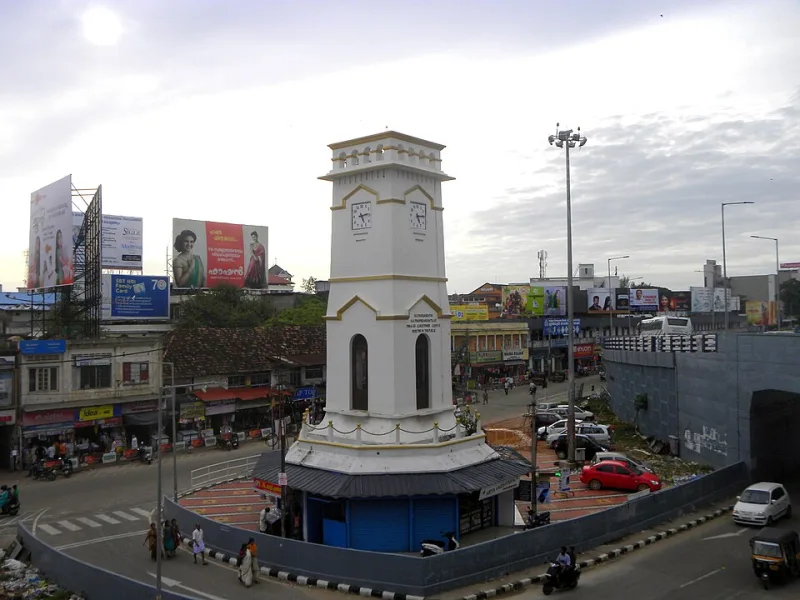
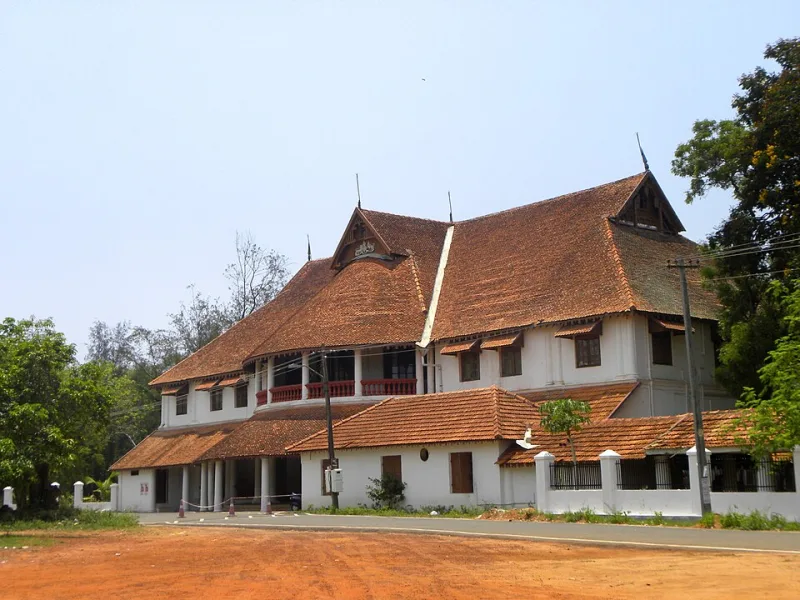
The Chinnakada clock tower, Cheena Kottaram, Kollam beach, the British Residency and Asramam attractions are close enough for a half day on foot and by autorickshaw.
Courtesy
This is connected with a working service. Speak quietly, follow instructions and avoid photographing police premises or personnel without permission.
Questions visitors ask
Is it large? No, it is compact. Is a guide available? Ask at the entrance. Is it free? Confirm on arrival. Can school groups book? Contact the museum or district police office ahead.
What stays with the visitor
Behind the glass are tools of a profession that most people meet only in moments of trouble. Seeing them calmly, with their history, helps replace guesswork with understanding.
Before you go
Check that the museum is open on the day, carry identity as police premises may ask for it and travel light, since there may be no place to leave large bags.
A note on sources
Details of the collection come from a short published description. Exhibits may have been added, moved or withdrawn since it was written, so treat the list as a guide.
Combining with a lesson
Teachers can pair the visit with a short reading about Patel and the integration of Travancore, then ask pupils which exhibit best shows how police methods changed. Ten minutes of discussion afterwards on the steps outside fixes the memory far better than a hurried walk round.
The station neighbourhood
Stepping out, one is again among porters, tea stalls and arriving passengers. The contrast between the quiet cases inside and the busy forecourt outside is a reminder that public order, which the museum describes, is something exercised daily in places just like this.
Further exploring
Kerala has other museums about public services and history in Thiruvananthapuram and Kochi. Visitors who enjoy this one may plan them into a longer journey and compare how each presents its subject to the public.
Tip for photographs
If permitted, avoid flash near glass cases, where reflections spoil the picture and light may affect old materials.
Questions to explore inside
How were crimes investigated before laboratories? Which of the weapons shown was carried by police and which was seized? What do the medals reward? Why does a fingerprint remain useful for decades? Taking a short list of questions turns a quick walk past glass cases into a small investigation of one's own, and staff are often pleased to answer.
Time well used
Even a brief stop gives a child one clear memory, perhaps a medal or a fingerprint chart, to talk about on the train home. Staff on duty can usually say how long a full round takes on that day.
Arriving early
Come soon after opening to have the rooms nearly to yourself and time to read the charts without hurry.
Leave a little time to see the statue before you go.
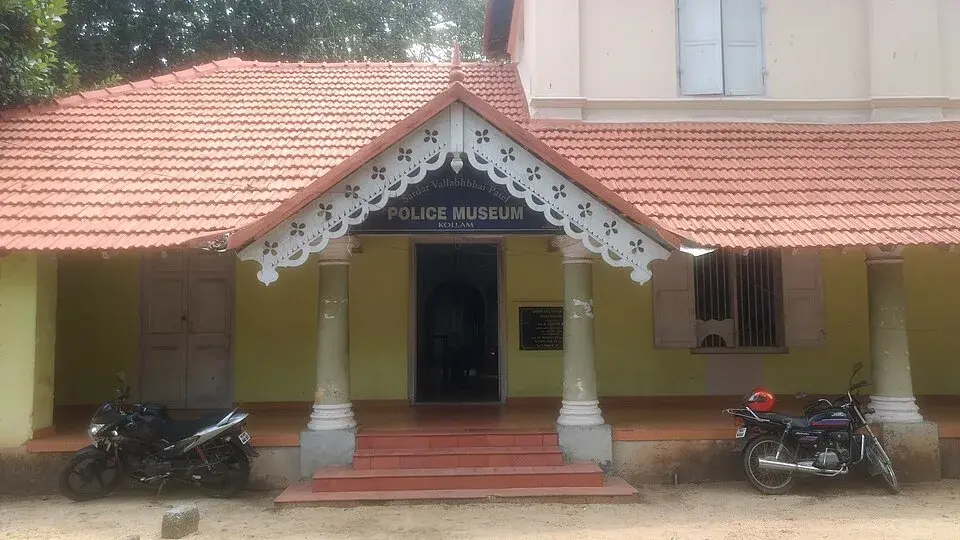 Photo: Pranav Mohan · CC BY-SA 4.0