National Park and Wildlife

Interview Island Wildlife Sanctuary

Andaman and Nicobar Islands · North and Middle Andaman

No ratings yet · be the first to review

A large, nearly empty forest island off Mayabunder, refuge of birds and of feral elephants.

Best time to visit
November to April
Time needed
A full day

About Interview Island Wildlife Sanctuary

Why you should visit

A large, nearly empty forest island off Mayabunder, refuge of birds and of feral elephants.

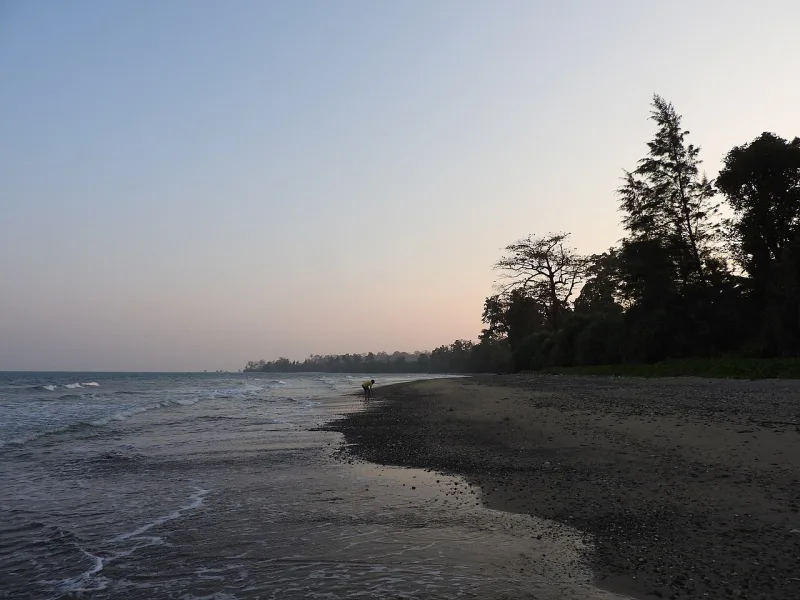
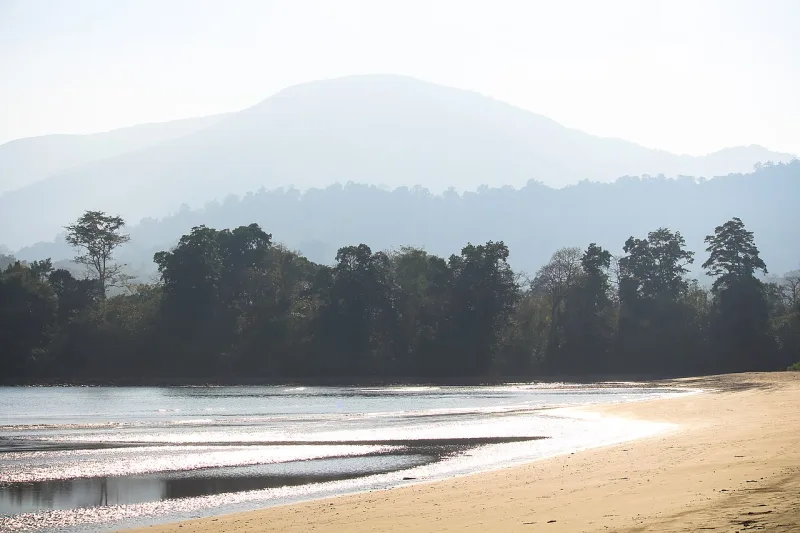
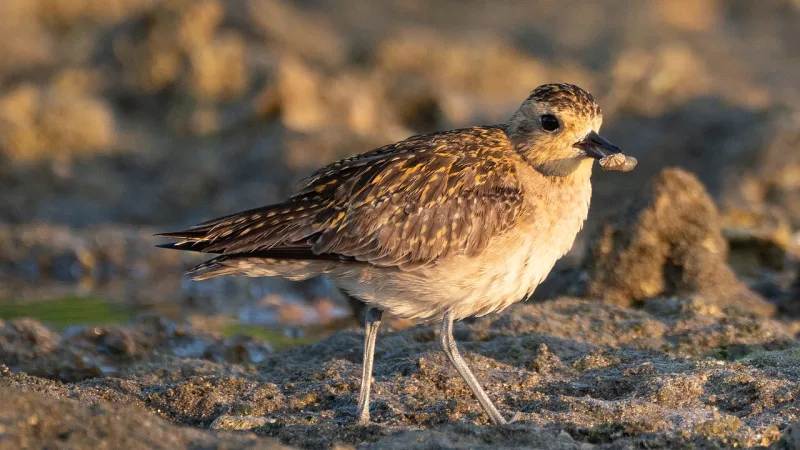
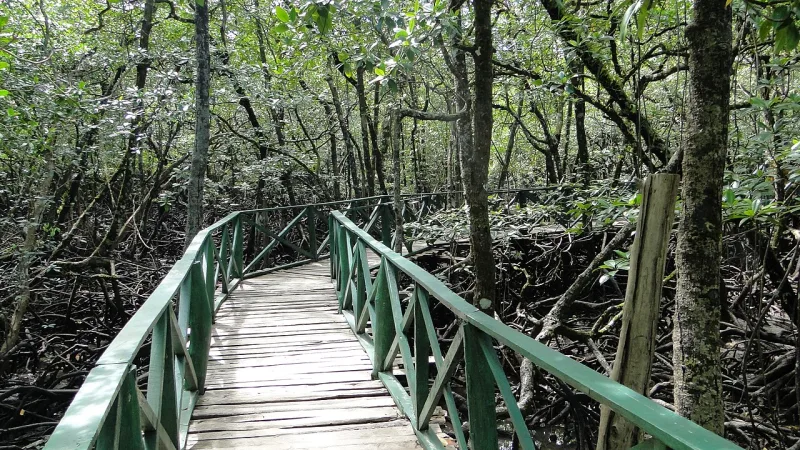
Interview Island Wildlife Sanctuary is a large, nearly empty forest island off Mayabunder, a refuge of birds and of feral elephants. Covering about one hundred and one square kilometres, it is the largest island sanctuary in the Andaman archipelago. Dense woodland, mangrove creeks and wild beaches make it one of the places where nature is left largely to itself. Only forest, police and coast guard staff are posted here, so a visitor enters a world with very few signs of daily human life. The island was opened to tourists in 1997, under the control of the Forest Department. Its lighthouse was destroyed by the tsunami of December 2004 and later rebuilt, a small chapter in the larger story of how that disaster altered coasts across the islands. The curiosity of Interview Island is its population of feral elephants. Elephants are not native to the Andamans. They were brought to the islands to haul timber, and when some were left here, they began to live wild. Estimates of how many remain vary widely, from about a dozen upwards. They are rarely seen, and that is just as well, for a wild elephant can be dangerous. Never approach one, never follow tracks into thick forest and leave the area quietly if your guide advises. The presence of these animals also raises questions about how introduced species affect island forests, a subject worth discussing with forest staff. Birdlife is a major reason to visit. The Andaman teal and swiftlets are among the birds associated with the sanctuary, along with many forest and shore species. Early morning is the best time for listening and watching. Bring binoculars, move softly and keep a note of what you see. The beaches and creeks reward patient observation, with the reflection of mangroves in still water and the tracks of animals on sand. A visit takes a full day, by a permitted boat trip from Mayabunder. November to April is the season, when the sea is generally calmer. A forest permit is required, so approach the forest office or a reliable local operator well in advance, and confirm the boat, the fee, the landing point and the time of return. Weather can cancel a trip at short notice. There are no facilities. Bring all the water and food you need, in reusable containers, with a hat, sun protection, insect repellent, a basic first aid kit, personal medicines and a dry bag. Wear full length clothing and closed shoes with good grip. Mobile signal may be absent, so make sure someone on the mainland of the island group knows your plans. Take every piece of rubbish back with you. Saltwater crocodiles live in the creeks and coastal waters of this region. Do not swim or wade, keep hands inside the boat and stay well back from muddy banks. Follow your guide at all times and remain together. Do not collect shells, plants, feathers or any other natural object, light fires or play loud sounds. Mayabunder, the starting point, is reached by road and by government boats when running. It deserves a stay of its own, with Karmatang beach, the German Jetty area and Karen villages nearby. Plan to arrive the day before the island trip, arrange permits and rest after the long journey. Basic lodging and eateries are available in town, and carrying cash is wise. Interview Island is not for those who want comfort or guaranteed sights. Its reward is the rare experience of a large forest surrounded by sea, where the calls of birds replace engines and the traces of animals show who really lives there. Visitors who go with respect and caution come away with a stronger sense of how much of the Andamans remains wild, and why sanctuaries of this kind need to stay quiet.
  • Feral elephants (rarely seen)
  • Andaman teal and swiftlets
  • Wild beaches

Photos

No photos yet. Be the first to share one.

Reels and Shorts

Instagram Reels and YouTube Shorts by vloggers and visitors.

Space for a Reel or Short

Space for a Reel or Short

Space for a Reel or Short

Space for a Reel or Short

YouTube videos

Full videos, guides and walkthroughs.

Space for a YouTube video

Space for a YouTube video

Reviews and ratings

– 0 reviews
  • 5 ★0
  • 4 ★0
  • 3 ★0
  • 2 ★0
  • 1 ★0

No reviews yet. Be the first to share your experience. Reviews appear here once a moderator approves them.

Write a Review

History and significance

The island was opened to tourists in 1997. Its lighthouse was destroyed by the 2004 tsunami and later rebuilt.

Stories worth knowing

Elephants left behind

Elephants were brought to the Andamans to haul timber. Some were left on Interview Island and began living wild. Estimates of how many remain vary widely, from about a dozen upwards.

Things to see and do

  1. Take a permitted boat trip from Mayabunder
  2. Birdwatch with a guide

Special events & celebrations

None listed yet.

+ Add an event held here

Good to know

Visitor tips

  • A forest permit is required
  • Never approach elephants
  • No facilities: bring everything and take it back

How to reach

Nearest airportVeer Savarkar International Airport
About three hours by small boat from Mayabunder through Austen Strait.

Open directions in Google Maps

Sources

Where the details on this page come from. Timings, fees and phone numbers change, so confirm them before you travel.

Nearest places to Interview Island Wildlife Sanctuary

Distances are in a straight line from Interview Island Wildlife Sanctuary; travel by road is longer.
Places near me