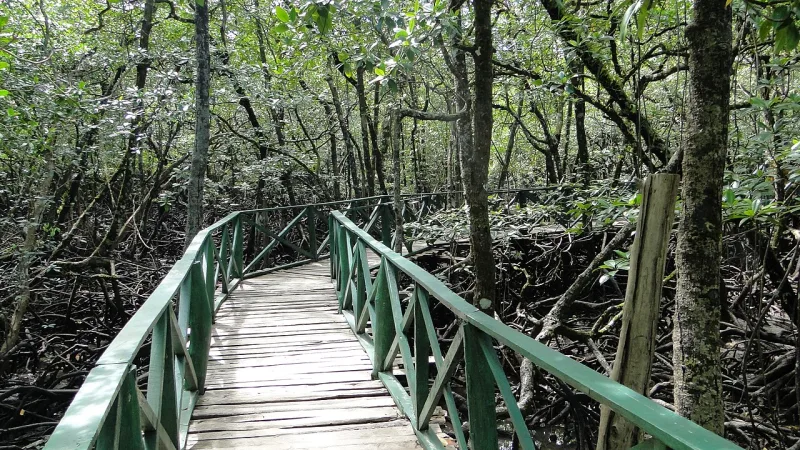
Two forested islands joined by a ribbon of white sand that you can walk across as the tide allows.
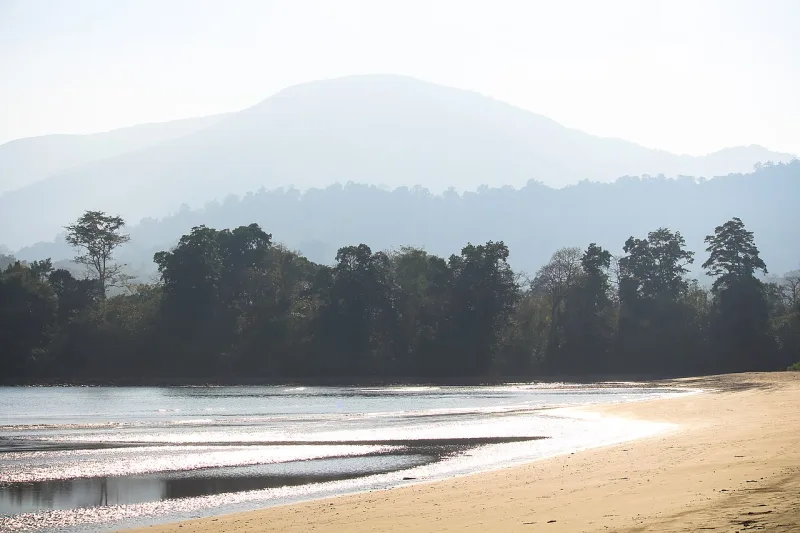
Ross and Smith are two forested islands near Diglipur joined by a ribbon of white sand that can be walked across when the tide allows. Often called the Twin Islands, they lie off Aerial Bay in North Andaman. With clear water on both sides of the sandbar and green forest at either end, they form one of the great sights of the northern Andamans. This Ross Island should not be confused with the historic Ross Island near Sri Vijaya Puram, now Netaji Subhas Chandra Bose Dweep.
The islands lie within a marine sanctuary and are a nesting place of olive ridley turtles. Smith Island has a small village, so that one side of the pair carries everyday life while the other remains largely wild. Protection of the surrounding waters and shores is the reason permits and rules apply.
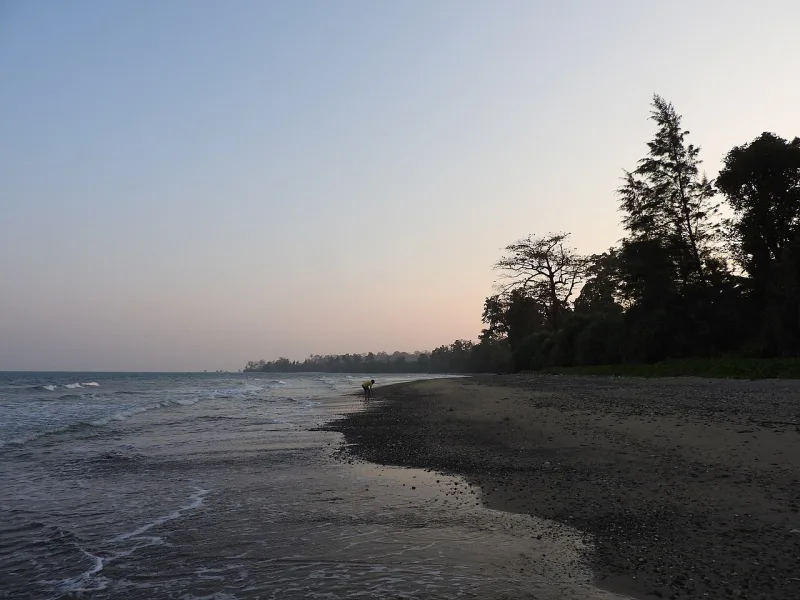
The boat ride from the Aerial Bay area is short and pleasant, with views of wooded coasts and the hills of North Andaman, including the direction of Saddle Peak. On landing, the sandbar draws the eye at once. At low tide you can stroll from one island to the other with sea lapping on each side. As the water rises, the path narrows and may disappear, so check the tide table and listen to your boatman about when to cross back.
Snorkelling is rewarding where the water is clear and calm. Wear a life jacket, stay in the area your guide recommends and never stand on coral. Look at fish and reef life without touching. The forest edge offers shade and birdsong, and a quiet picnic on the beach is a pleasure if you leave nothing behind. No plastic should be taken on to the beach, and all waste must come back with you.
Because turtles nest here, treat the sand with care. Do not dig, disturb marked areas, use lights near nests or approach any turtle or hatchling. Collecting shells, coral or sand is not allowed.
Allow half a day for the trip. October to May is the best season, with calmer seas. Obtain the forest permit at Diglipur before going. The district page lists a fee of fifty rupees for Indian visitors and five hundred for foreigners, but it was last updated in 2018, so confirm the current amount. The same page says permits are issued at the Diglipur forest office from six in the morning to two in the afternoon, every day except Sunday. If you plan to visit on a Sunday, arrange the permit beforehand.
Carry government photo identification, drinking water, food, sun protection, a hat, towel and a waterproof pouch. Facilities are limited. Ask about crocodile warnings and swim only where permitted. Keep children close, particularly as the tide changes. Agree with your boatman on the pick-up time and place before he leaves.
Diglipur is reached from Sri Vijaya Puram by road, a long journey along the trunk road with regulated convoys, or by government ferry or helicopter services where available. On the trunk road, follow every rule concerning the Jarawa reserve. Stay at least one or two nights in the Diglipur area. Kalipur's turtle nesting beach, the trek up Saddle Peak and the caves and mud volcano nearby make a rich itinerary. Local eateries serve fresh seafood and home style meals.
For many travellers, walking across that narrow band of sand, with turquoise water on both hands and forest ahead, is the most vivid memory of the north. It lasts only as long as the tide permits, which is part of its charm and a reason to arrive early, move gently and leave the islands exactly as you found them.
Nearest airportVeer Savarkar International Airport
Diglipur is about 300 km north of Sri Vijaya Puram: 10 to 12 hours by road, 8 to 10 hours by government ferry to Aerial Bay Jetty, or under an hour by helicopter when seats are available.
About 20 to 25 minutes by boat from Aerial Bay Jetty.
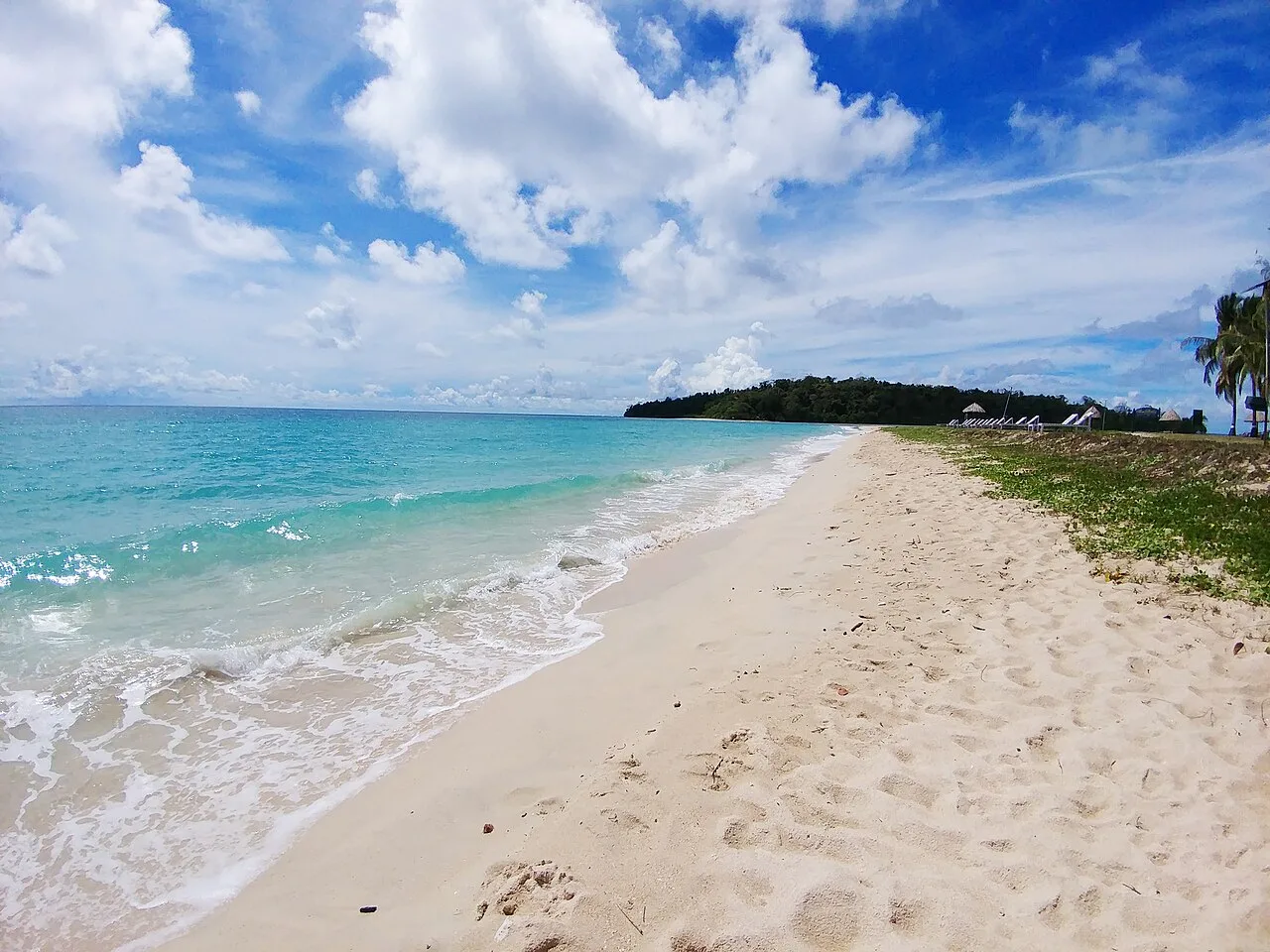 Photo: Singhabhinav7 · CC BY-SA 4.0