About Mayabunder, Karmatang Beach and the Karen Villages
Why you should visit
A calm district town with a turtle nesting beach, war-era remains and villages of the Karen community from Myanmar.
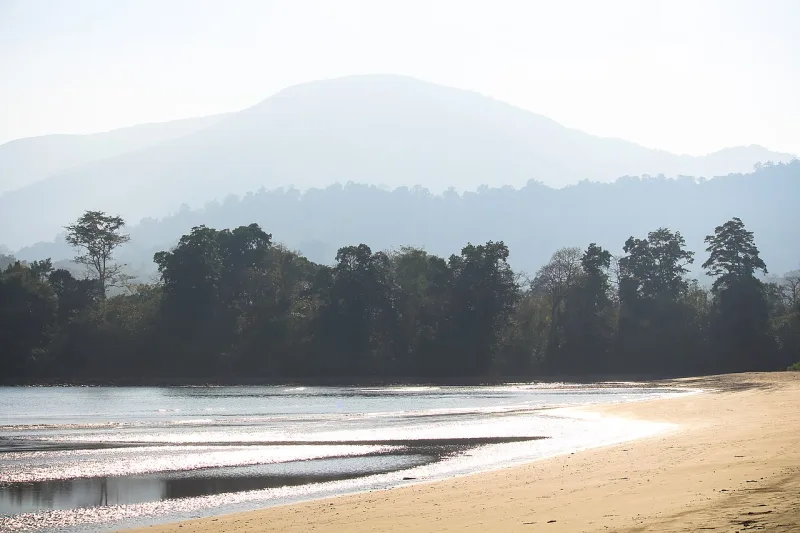
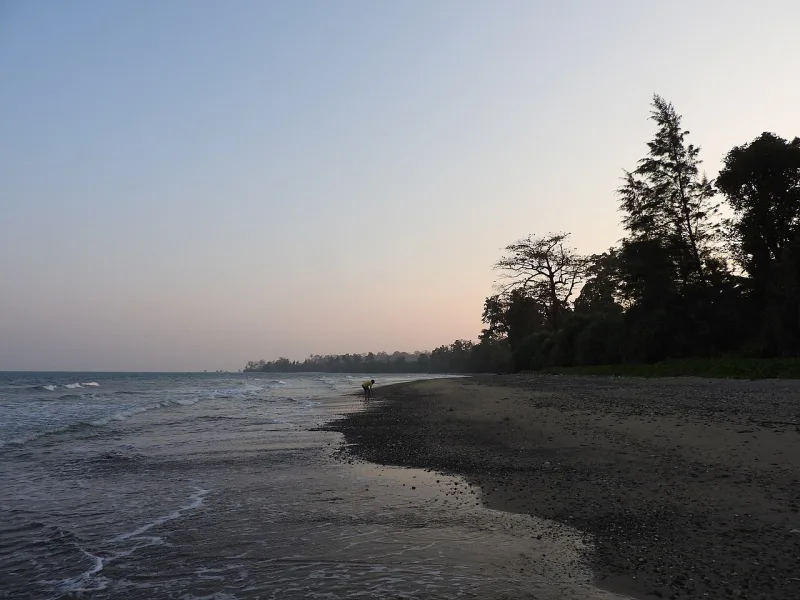
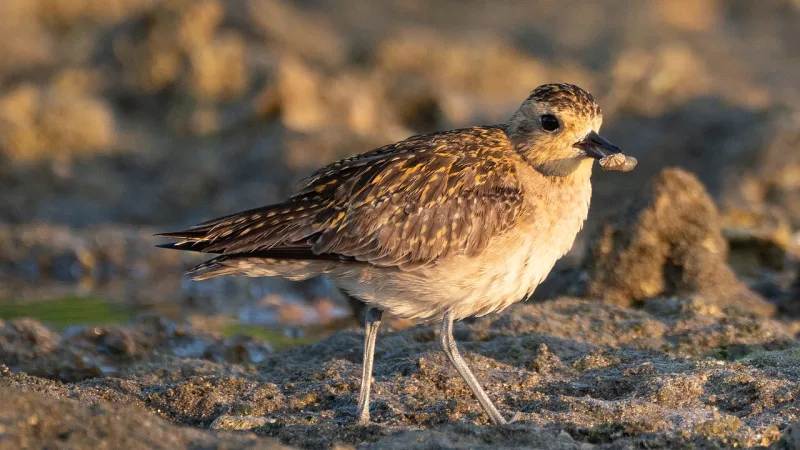
Mayabunder is a calm district town in the northern Andamans with a turtle nesting beach, war-era remains and villages of the Karen community who came from Myanmar. As headquarters of the North and Middle Andaman district, it is a working town and a place to slow down. Karmatang beach, about thirteen kilometres away, is listed as a nesting ground for leatherback, green, hawksbill and olive ridley turtles. The German Jetty area keeps an observation deck and bunker remains, boats go out towards Aves and Interview islands, and nearby villages such as Webi are home to the Karen.
The town grew in the British period with settlers from Myanmar and former convicts, and later with arrivals from many parts of India. That mixture gives Mayabunder a character of its own, where several languages, foods and festivals meet along a quiet waterfront.
The story of the Karen is one of the most interesting in the islands. In 1924 Dr Marshall of the Karen Baptist Theological Seminary in Burma discussed migration with the Chief Commissioner. In 1925 thirteen families arrived, led by the Reverend Luige, followed by about fifty more in 1926, who founded the village of Web. Colonial officials wanted settlers who could work the forests. By 2004 about two thousand Karen lived in eight villages. They built boats, farmed and kept forest customs that forbid fouling the woods and killing female animals. Their language has been taught in the village school, and the community has been recognised as a backward class while seeking Scheduled Tribe status. The Karen bamboo dance is now a highlight of island festivals.
Meeting Karen hosts is best done through a local guide and with permission. A meal prepared in the community's style, a walk through gardens and a conversation about boat building or farming can be far more rewarding than a quick drive through. Always ask before photographing people or their homes, accept refusal gracefully and pay fairly for food, guidance and craft.
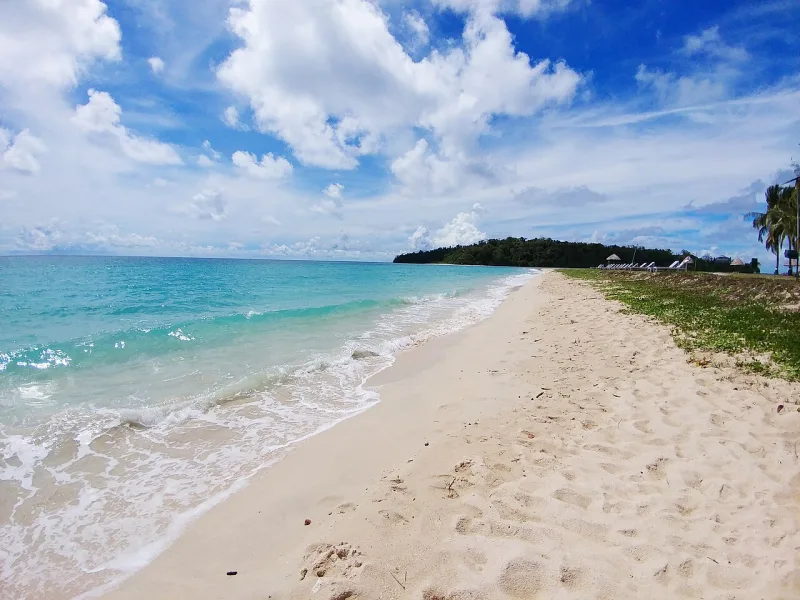
Karmatang offers a broad beach with forest behind it and a quiet sea in front. During nesting season it must be kept dark and quiet at night. Do not use torches or flash near turtles, never touch eggs or hatchlings and follow the instructions of forest staff. Saltwater crocodiles occur in parts of the region, so ask about safety and obey warning boards before entering the water.
Near the German Jetty, the observation deck provides views across creeks and islands, and the bunker remains recall the war years. Boats to nearby islands require arrangements and, in some cases, permits; discuss these with local operators or the forest office.
One to two days is a sensible stay, in the December to April season. Mayabunder can be reached by road along the Andaman Trunk Road, or by government boat when services run. On the trunk road never stop, photograph, call out to, feed or give anything to the Jarawa. These are legal offences and they endanger the community.
Accommodation and restaurants are simple, so book ahead and carry some cash, as networks and banking facilities can be limited. Bring insect repellent, sun protection, drinking water and a light rain layer, and take litter away from beaches. Travel slowly: schedules depend on convoys, boats and weather.
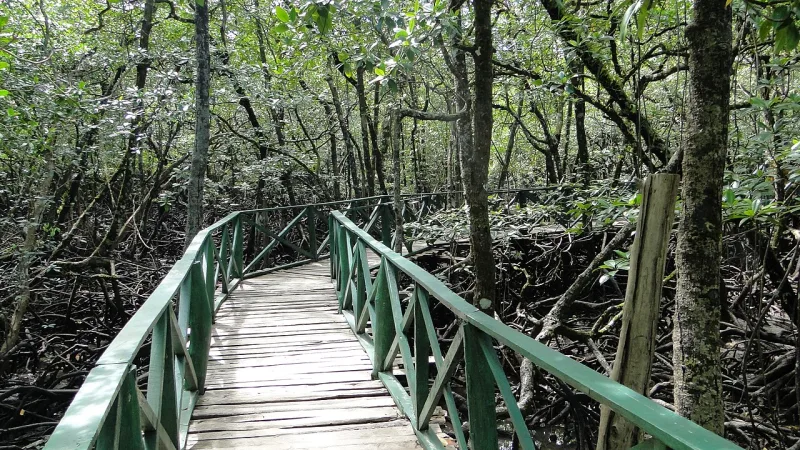
Combine a visit with Rangat's mangrove walkway on the way north, or continue to Diglipur for Ross and Smith islands and Saddle Peak. Mayabunder may not offer the famous resort scenery of the south, yet it gives travellers something equally valuable: time among communities that have made forest and shore their home for a century, and the chance to hear how their grandparents crossed the sea to begin again.
The town grew in the British period with settlers from Myanmar and former convicts, and later with arrivals from many parts of India.
Stories worth knowing
How the Karen came
In 1924 Dr Marshall of the Karen Baptist Theological Seminary in Burma discussed migration with the Chief Commissioner. In 1925 thirteen families arrived led by Rev. Luige, followed by about fifty more in 1926, who founded the village of Web. Colonial officials wanted settlers able to work the forests.
By 2004 about 2,000 Karen lived in eight villages. They built boats, farmed and kept forest customs that forbid fouling the woods and killing female animals. Their language has been taught in the village school, and the community has been recognised as a backward class while seeking Scheduled Tribe status. Their bamboo dance is now a highlight of island festivals.
Things to see and do
Visit Karmatang
Meet Karen hosts through a local guide, with permission
Turtle beaches must be kept dark and quiet at night
On the Andaman Trunk Road never stop, photograph, call out to, feed or give anything to the Jarawa. These are legal offences and endanger the community.
How to reach
Nearest airportVeer Savarkar International Airport
About 240 km from Sri Vijaya Puram by the Andaman Trunk Road, or about 136 km by ferry.
 Photo: PJeganathan · CC BY-SA 3.0