Photo: Arpandhar · CC BY-SA 4.0

National Park and Wildlife

Saddle Peak National Park

Andaman and Nicobar Islands · North and Middle Andaman

No ratings yet · be the first to review

A demanding rainforest trek to the highest summit of the Andaman Islands.

Best time to visit
November to April
Time needed
6 to 8 hours

About Saddle Peak National Park

Why you should visit

A demanding rainforest trek to the highest summit of the Andaman Islands.

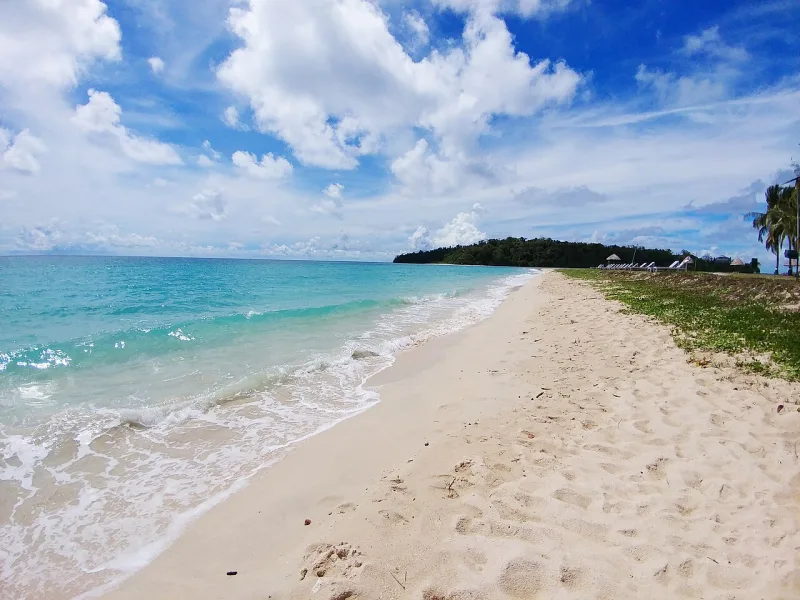
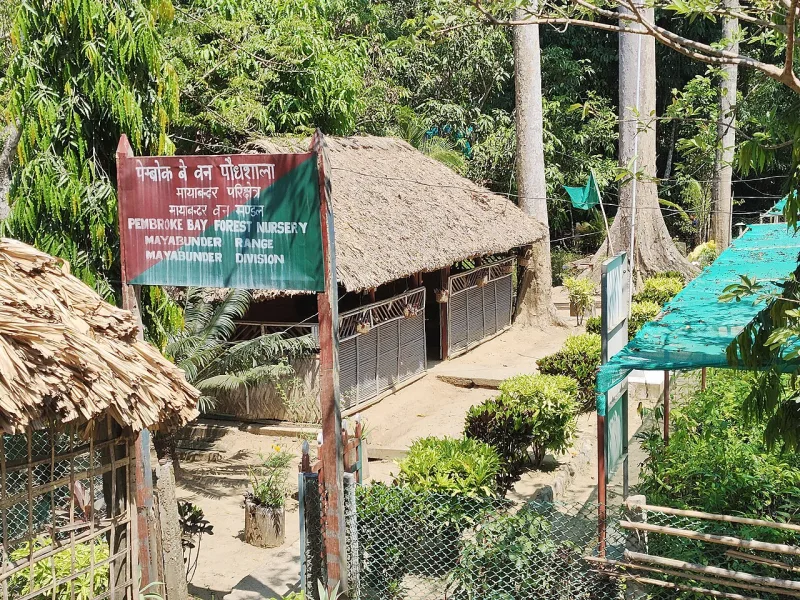
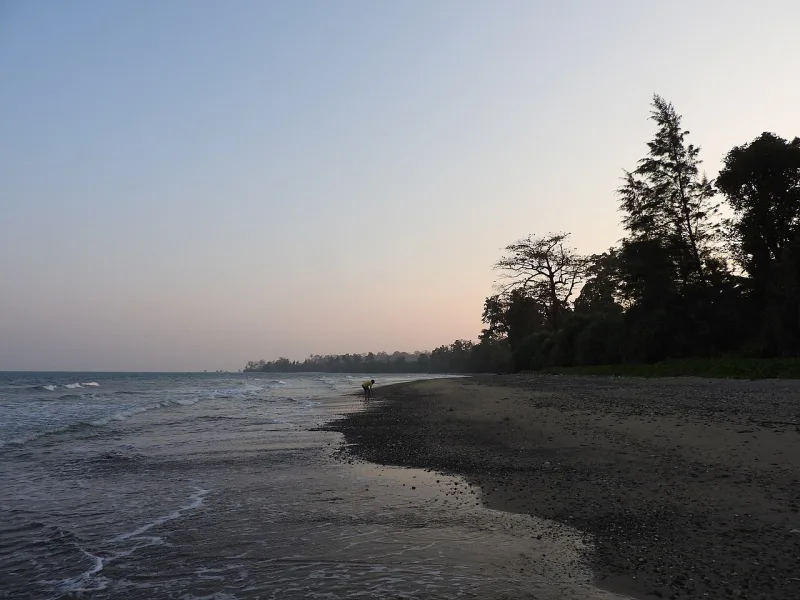
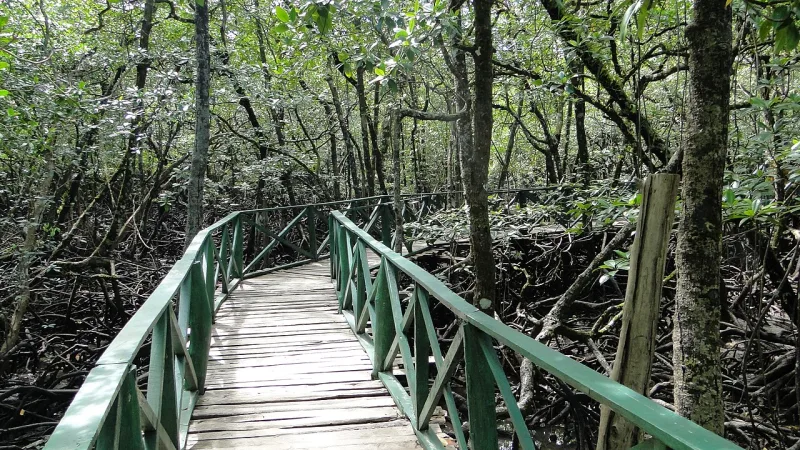
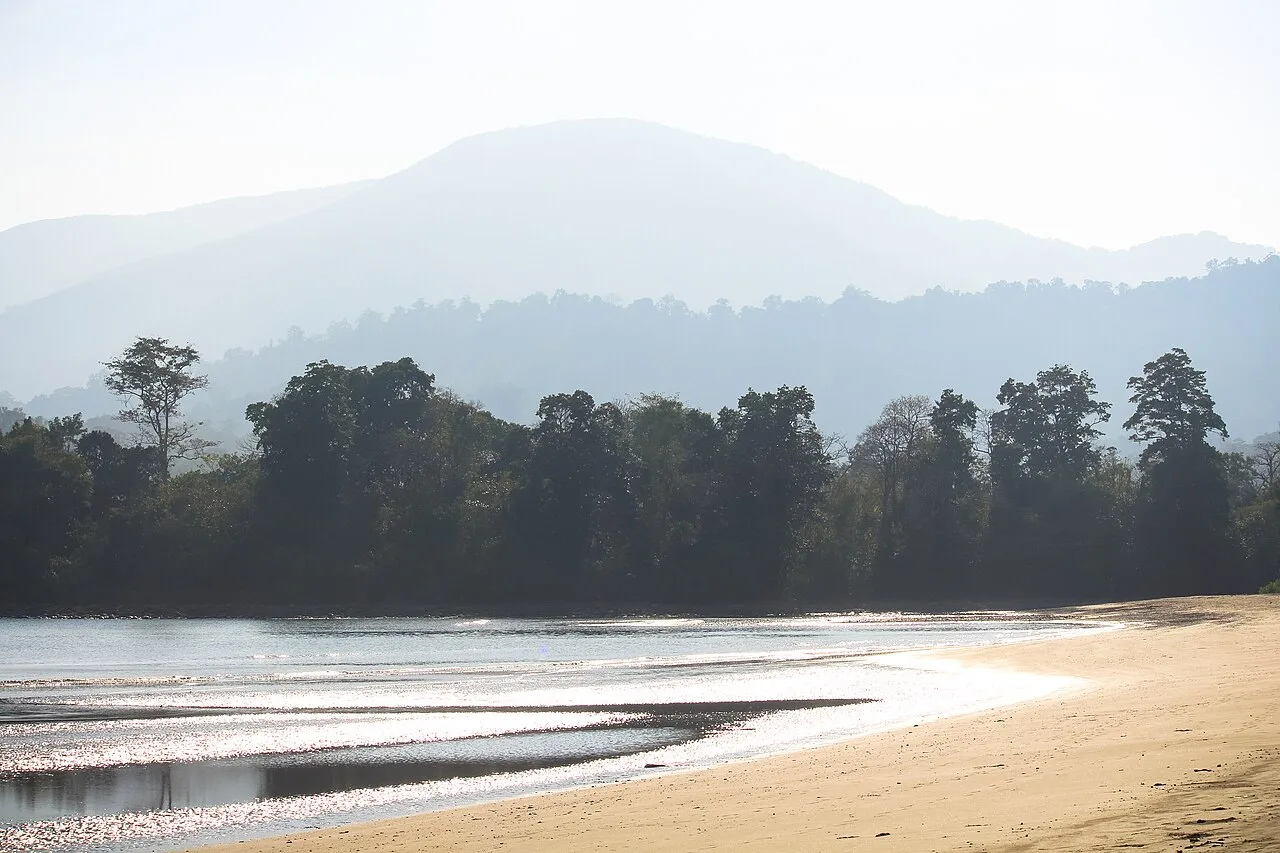
Saddle Peak National Park offers a demanding rainforest trek to the highest summit of the Andaman Islands. At about seven hundred and thirty two metres, with some references giving seven hundred and fifty two, Saddle Peak is the roof of the archipelago. The path begins near the sea beyond Kalipur in North Andaman and climbs through dense forest to views over islands, coast and reef. For walkers who enjoy effort and wild surroundings, it is one of the most memorable days that the islands can offer. The national park was established in 1979 and covers about thirty two and a half square kilometres. It protects primary rainforest and the creatures that depend on it, including birds such as the Andaman hill myna and the imperial pigeon. The Kalpong, described as the only river of the Andamans, drains this part of North Andaman, a reminder of the abundant rain that sustains the green slopes. The trek starts gently enough along the coast, where the sound of waves accompanies the first stretch, and soon turns into the forest. Tall trees close overhead, roots form natural steps and the air grows humid. Climbers, ferns and fallen logs crowd the way. The gradient becomes steeper towards the upper part, and patience is needed. Stop often to drink water, to look into the canopy and to listen. Birds are usually heard before they are seen, and butterflies drift through gaps of sunlight. From the higher ground, when cloud allows, the view opens over bays, forested islands and the changing colours of shallow reefs. The reward is greater for having been earned. Rest, eat something and give yourself enough time before beginning the descent, which can be hard on the knees and slippery in places. A Forest Department permit is required. Obtain it in Diglipur or from the designated office, ask about fees and opening arrangements, and hire a local guide. Start at dawn and allow a full day; the walk itself commonly takes six to eight hours. November to April is the best season. Avoid the rains of June to October, when paths become muddy, streams rise and leeches are numerous. Carry plenty of water, more than you think you will need, along with energy rich food, a hat, rain protection, basic first aid, personal medicines and a charged phone or torch. Wear shoes with a firm grip, long trousers and socks that help guard against leeches. Salt or repellent can be useful. Tell your lodging when you expect to return. The climb is not suitable for everyone. Those with heart, lung or joint problems, or who are not used to long walks in heat, should think carefully and perhaps enjoy only the lower part. Never leave the marked path or separate from your group. Do not collect plants or animals, light fires, smoke or leave litter. Keep noise low. Afterwards, cooling off at Lamiya Bay is a popular idea, but observe local warnings about the water, including those concerning crocodiles. Swim only where local staff say it is safe. Diglipur is the base, reached by road from Sri Vijaya Puram with regulated trunk road convoys, or by ferry or helicopter where services operate. Transport from town to the trailhead can be arranged by auto or taxi. Rest the following day with a gentler outing to Ross and Smith islands, or watch for turtles at Kalipur in season. Plain, filling meals are available in town and at some lodges. Few visitors to the Andamans climb this peak, and those who do carry away a different picture of the islands: not only beaches and boats, but steep green mountains rising straight from the sea.
  • Highest point in the Andamans
  • Primary rainforest
  • Endemic birds
  • Sea views

Photos (1)

Photo credits
  1. Photo: Arpandhar · CC BY-SA 4.0 · Source

Reels and Shorts

Instagram Reels and YouTube Shorts by vloggers and visitors.

Space for a Reel or Short

Space for a Reel or Short

Space for a Reel or Short

Space for a Reel or Short

YouTube videos

Full videos, guides and walkthroughs.

Space for a YouTube video

Space for a YouTube video

Reviews and ratings

– 0 reviews
  • 5 ★0
  • 4 ★0
  • 3 ★0
  • 2 ★0
  • 1 ★0

No reviews yet. Be the first to share your experience. Reviews appear here once a moderator approves them.

Write a Review

History and significance

The national park was established in 1979. The Kalpong, described as the only river of the Andamans, drains this part of North Andaman.

Things to see and do

  1. Trek with a guide
  2. Cool off at Lamiya Bay afterwards, observing local warnings

Special events & celebrations

None listed yet.

+ Add an event held here

Special seasons

Rains

June – October

Trails are slippery and may be closed.
Good to know

Visitor tips

  • A Forest Department permit is required
  • Start at dawn; allow a full day
  • Carry plenty of water
  • Wear shoes with grip and guard against leeches
  • Avoid the June to October rains

How to reach

Nearest airportVeer Savarkar International Airport
Diglipur is about 300 km north of Sri Vijaya Puram: 10 to 12 hours by road, 8 to 10 hours by government ferry to Aerial Bay Jetty, or under an hour by helicopter when seats are available. The trailhead is near Lamiya Bay, a few kilometres beyond Kalipur and about 10 km from Diglipur.

Open directions in Google Maps

Sources

Where the details on this page come from. Timings, fees and phone numbers change, so confirm them before you travel.

Nearest places to Saddle Peak National Park

Distances are in a straight line from Saddle Peak National Park; travel by road is longer.
Places near me