Temple
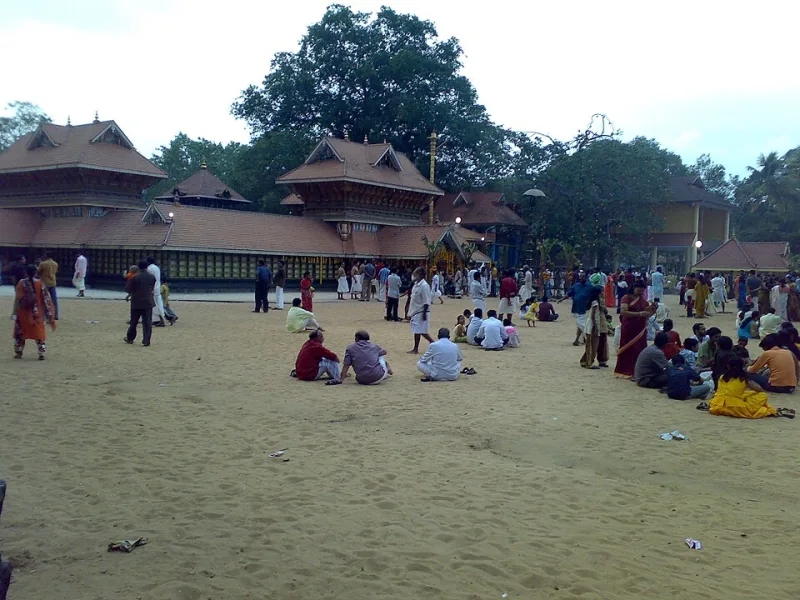
Sarkara Devi Temple
Thiruvananthapuram, Kerala
📍 2.6 km away from Anchuthengu Fort
A revered Bhadrakali temple at Chirayinkeezhu, famous for the Kaliyoot ritual drama introduced by King Marthan...
Read more →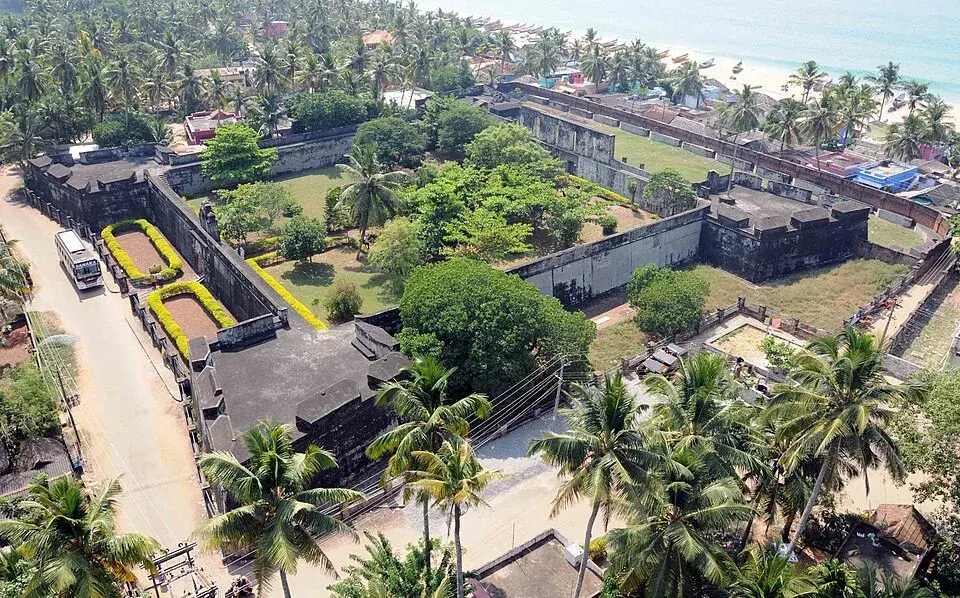 Photo: Prasanthvembayam · CC BY-SA 3.0
Fort and Palace
Kerala · ThiruvananthapuramAlso known as Anjengo Fort
A seventeenth century East India Company fort on a sandy spit north of the capital, the Company's first permanent post on the Malabar coast.
About Anchuthengu Fort
A seventeenth century East India Company fort on a sandy spit north of the capital, the Company's first permanent post on the Malabar coast.
On a narrow strip of land with the Arabian Sea on one side and backwaters on the other stands a compact fort that played a part in a very large story. Anchuthengu, which the English called Anjengo, was the first permanent post of the East India Company on the Malabar coast.
The name is usually explained as five coconut palms. In November 1693 the Company sent John Brabourne to Attingal, where the ruling queen granted him a site for a fort on the sandy spit, along with a monopoly of her territory's pepper trade. Construction followed in the closing years of that century. For the Company, the station served for gathering pepper and cloth and as a point where ships from England could receive news and supplies.
Relations with local people were often tense. Disputes over trade and conduct culminated in 1721 in the Attingal uprising, when a party of Company men travelling inland was attacked and killed, and the fort itself was besieged for months until relief arrived. Historians regard it as one of the earliest organised revolts against the English in India. The station declined in importance as British power shifted to other centres.
The fort today consists of sturdy walls of laterite and stone with bastions at the corners, enclosing an open space. It is protected as a monument by the archaeological authorities. The scale is modest, which makes it easy to take in the whole plan: you can imagine a handful of traders and soldiers watching both the sea road and the inland waterway from these ramparts.
Check visiting hours before going, as gates may be open only during daytime. Walk the interior, look at the construction of the walls and read any notices. Climbing on weak sections should be avoided, and there is little shade at midday. Photography is generally possible for personal use.
The old cemetery nearby holds graves of Europeans who lived and died at the station, a quiet reminder of the dangers of the age. The Anchuthengu lighthouse, close to the fort, can sometimes be climbed during announced hours for a splendid view of sea, palms and lagoon. St. Peter's church and other churches reflect the long Christian presence in this coastal community.
This is a living fishing village. Boats are drawn up on the beach, nets spread to dry and children play in the lanes. Be courteous, ask before photographing people and do not walk through private yards. The sea here is rough and not suitable for casual bathing.
The surroundings add interest. The Kaikkara memorial honours the poet Kumaran Asan, born in the neighbourhood, and the Kadakkavur and Attingal area has temples associated with the old royal house. Perumathura beach and the Muthalapozhi fishing harbour lie to the south, while Varkala's cliffs are a short drive north.
October to February provides comfortable weather and clear light, especially in the late afternoon when the walls turn warm in colour. The monsoon brings heavy seas and may affect the coastal road.
Anchuthengu is a rewarding detour for travellers who enjoy history away from crowds. Small as it is, the fort connects a Kerala village with pepper markets, sailing ships and the beginnings of colonial rule, and also with local resistance to it. Standing on the wall with wind from the sea, one sees how geography made this slender spit valuable, and how its people have gone on living with the water long after the traders departed. Allow time for the lighthouse as well.
Local autorickshaw drivers can combine the fort, the cemetery and the lighthouse in one round trip if you agree the route and fare beforehand. Carry drinking water, since shops near the monument are few.
+ Add your photos Been here? Share what you saw.
Instagram Reels and YouTube Shorts by vloggers and visitors.
Space for a Reel or Short
Space for a Reel or Short
Space for a Reel or Short
Space for a Reel or Short
Full videos, guides and walkthroughs.
No reviews yet. Be the first to share your experience. Reviews appear here once a moderator approves them.
None listed yet.
Address: Anchuthengu village, between the sea and the backwater, Chirayinkeezhu
Where the details on this page come from. Timings, fees and phone numbers change, so confirm them before you travel.
Distances are in a straight line from Anchuthengu Fort; travel by road is longer.
Thiruvananthapuram, Kerala
📍 2.6 km away from Anchuthengu Fort
A revered Bhadrakali temple at Chirayinkeezhu, famous for the Kaliyoot ritual drama introduced by King Marthan...
Read more →Thiruvananthapuram, Kerala
📍 3.2 km away from Anchuthengu Fort
A spot mapped as the Poonthran memorial near Vakkom, bearing the name of the family into which the reformer an...
Read more →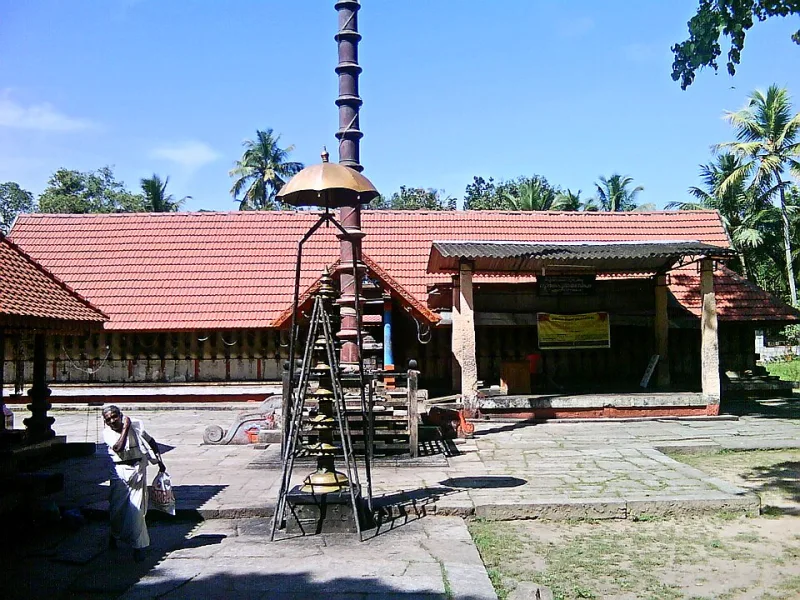
Thiruvananthapuram, Kerala
📍 8.2 km away from Anchuthengu Fort
A well loved old temple at Avanavanchery near Attingal, dedicated to Indilayappan, a form of Shiva with Uma, s...
Read more →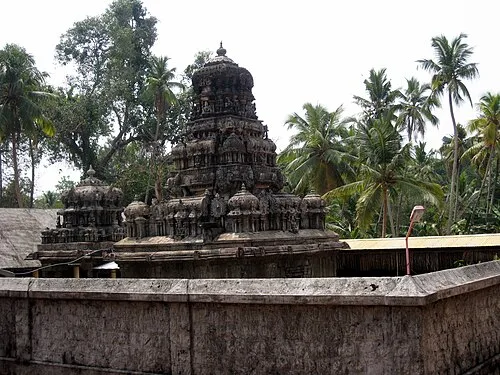
Thiruvananthapuram, Kerala
📍 9.1 km away from Anchuthengu Fort
A Vishnu temple by the paddy fields at Vadasserikonam, with stone sculpture, an unusual open-centred shrine at...
Read more →Thiruvananthapuram, Kerala
📍 9.2 km away from Anchuthengu Fort
The hill at Varkala where the social reformer Sree Narayana Guru lived and rests, with the Sarada temple and a...
Read more →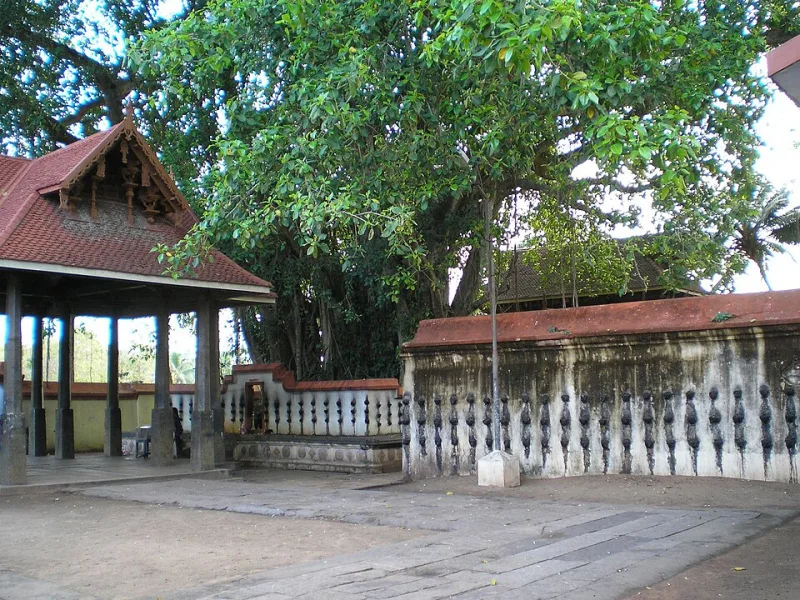
Thiruvananthapuram, Kerala
📍 9.7 km away from Anchuthengu Fort
An ancient temple of Vishnu as Janardana on a rise near Papanasam beach, one of Varkala's most important place...
Read more →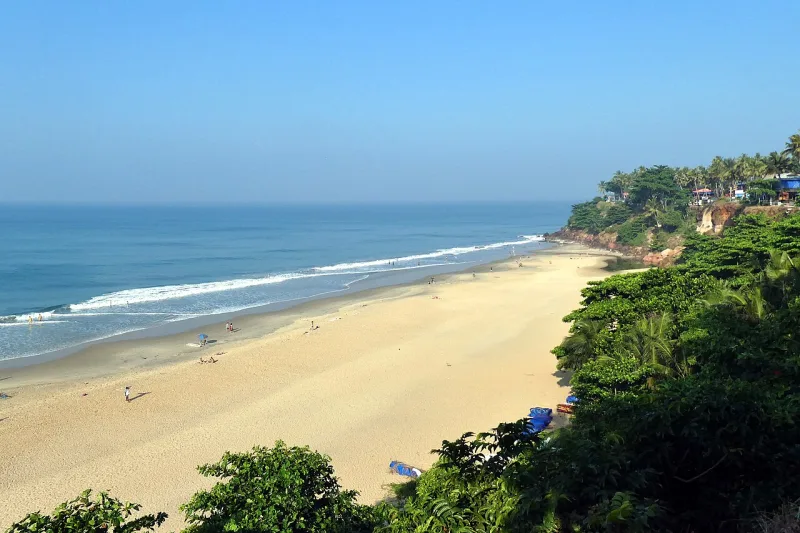
Thiruvananthapuram, Kerala
📍 11 km away from Anchuthengu Fort
Red laterite cliffs standing above the Arabian Sea, with the holy Papanasam shore below and cafes strung along...
Read more →Thiruvananthapuram, Kerala
📍 11 km away from Anchuthengu Fort
An old village temple of the goddess at Anachal in Vamanapuram panchayat, celebrated for its Kumbha Bharani fe...
Read more →