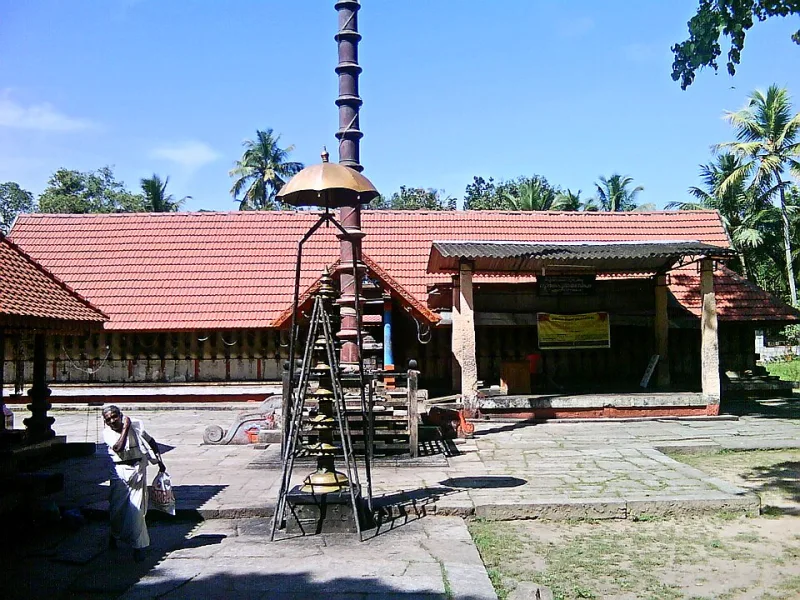
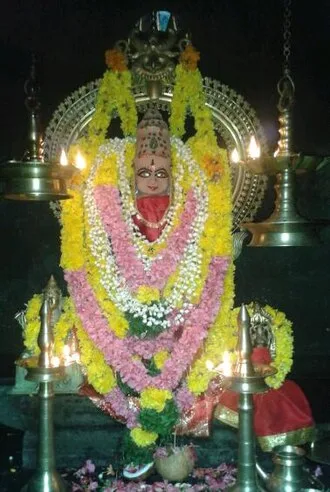
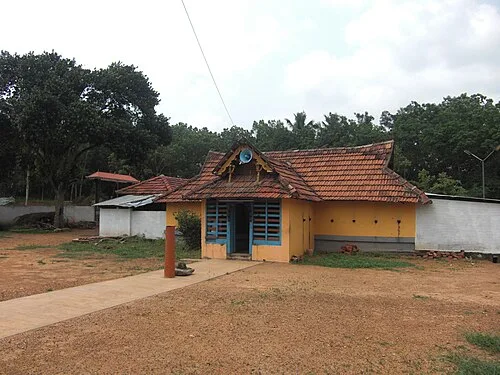
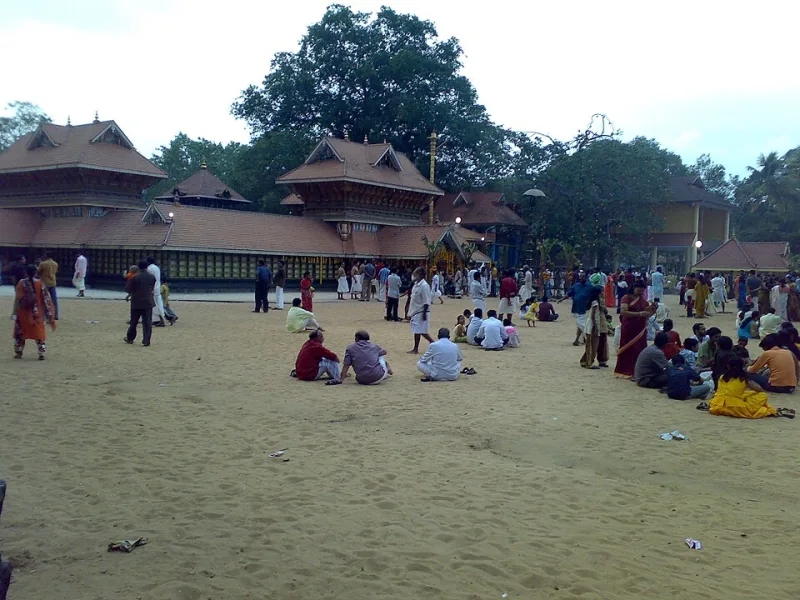
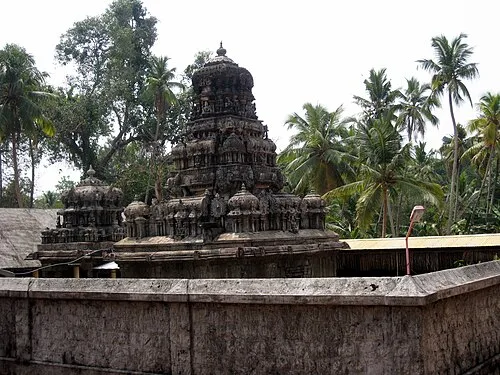
An old village temple of the goddess at Anachal in Vamanapuram panchayat, celebrated for its Kumbha Bharani festival.
At a glance
What: A temple of the Devi as embodiment of Shakti.
Where: Pallimankuzhi, Anachal, near Vamanapuram.
When: Daily worship; chief festival on the Bharani star in Kumbham.
How: By road from Venjaramoodu or Attingal through Vamanapuram.
By whom: Temple management; confirm on site.
For whom: Local devotees and travellers on the northern inland roads.
What is known
A brief Malayalam note records that the temple stands at Anachal Pallimankuzhi in Vamanapuram panchayat, that the deity is a Devi who is the very form of Shakti, that elders say the shrine is very old, and that its well known festival falls on the Bharani day of the month of Kumbham. The rest of this page is background.
Shakti
Shakti means power. In Shakta thought the goddess is the energy by which everything exists and acts, and the gods themselves depend on her. A village Devi temple expresses this great idea in homely form: the mother who watches over crops, births, health and the safety of the young.
The elders' testimony
When a community says that its elders call a temple very old, it is passing on real memory, though without a date. Such testimony usually reaches back three or four generations with some reliability. Writing down what individual elders remember, such as renovations or changes in festival, would be a worthwhile task.
The name
Pallimankuzhi joins elements that could refer to a sacred or royal place, earth or deer, and a hollow. Several explanations are possible and none was found documented. Villagers may have their own account, which should be preferred to guesswork.
Kumbha Bharani
Bharani is the star most closely associated with Bhadrakali, and its occurrence in Kumbham, February or March, is a major festival season. The most famous celebration is at Chettikulangara in Alappuzha district. Smaller temples keep the day with their own processions, offerings and village arts.
A festival day
Visitors can expect an early opening, special worship, offerings from many households, decorated approaches, drums and an evening programme. Pongala is often part of Bharani festivals; whether it is offered here and when should be confirmed at the temple. Parking is limited on village roads.
Preparing for Bharani
In many villages men and women observe simple diet and cleanliness for some days before the festival. Houses along the procession route are swept and lamps set out. Collections are taken for decorations and food. A guest who understands this preparation sees the day as the climax of shared effort.
Offerings
Red flowers, lamps, vermilion, kadumpayasam and archana are the usual offerings to the goddess. Fees at village temples are modest. Carry small notes and ask for a receipt where one is issued.
Vamanapuram
Vamanapuram is named for Vamana, the dwarf incarnation of Vishnu, and gives its name to the longest river of the district's north. The town lies on the Main Central Road. Paddy, rubber and pepper grow in the surrounding country.
The Vamanapuram river
Rising in the Western Ghats near the Ponmudi side, the river flows west past Palode, Vamanapuram and Attingal to the coastal backwaters. It supplies drinking and irrigation water. Sand mining and waste have troubled it, and local efforts to protect it deserve support.
Village goddess traditions
South Kerala's goddess shrines often preserve songs, ritual drawings and processions particular to the locality. They have survived because families treat their performance as a duty. As work takes the young to cities, some arts are at risk. Attending and supporting them helps keep them alive.
Approaching the shrine
Arrive during morning or evening worship. Wash hands and feet if water is provided, leave footwear at the gate and observe how local people greet the deity. A quiet question to the priest or a committee member is usually answered kindly.
An ordinary evening
Most of the year the temple is calm. The lamp is lit as the sun sets, a few women arrive with oil and flowers, children linger, and the day closes. This routine is the foundation on which the annual festival stands.
Sacred space
Where trees, a well or a pond belong to the temple, treat them as part of the sanctuary. Do not draw water without permission, break branches or leave waste. Rural temples have little paid staff, and every visitor's care counts.
What is missing
We lack the opening hours, the managing body, the list of subsidiary shrines, details of the building and the temple's founding story. Please send what you know with its source. Dated photographs are particularly useful.
Belief and fact
Devotees credit the goddess with protection and answered prayers. Those experiences belong to faith. The recorded facts are few, and this page has tried not to stretch them.
Visiting with respect
Wear traditional modest dress, keep your phone silent, do not photograph the image and give way to processions. Ask before photographing people.
Getting there
Buses run from Thiruvananthapuram along the Main Central Road to Venjaramoodu and Vamanapuram, about thirty-five kilometres, and from Attingal. Take an autorickshaw to Anachal. Varkala and Chirayinkeezhu are the nearer coastal stations; the airport is in the capital.
When to come
Plan for Kumbha Bharani if you wish to see the festival. The dry months from November to February suit a quiet visit. The monsoon makes rivers and fields beautiful, with some muddy lanes.
Nearby places
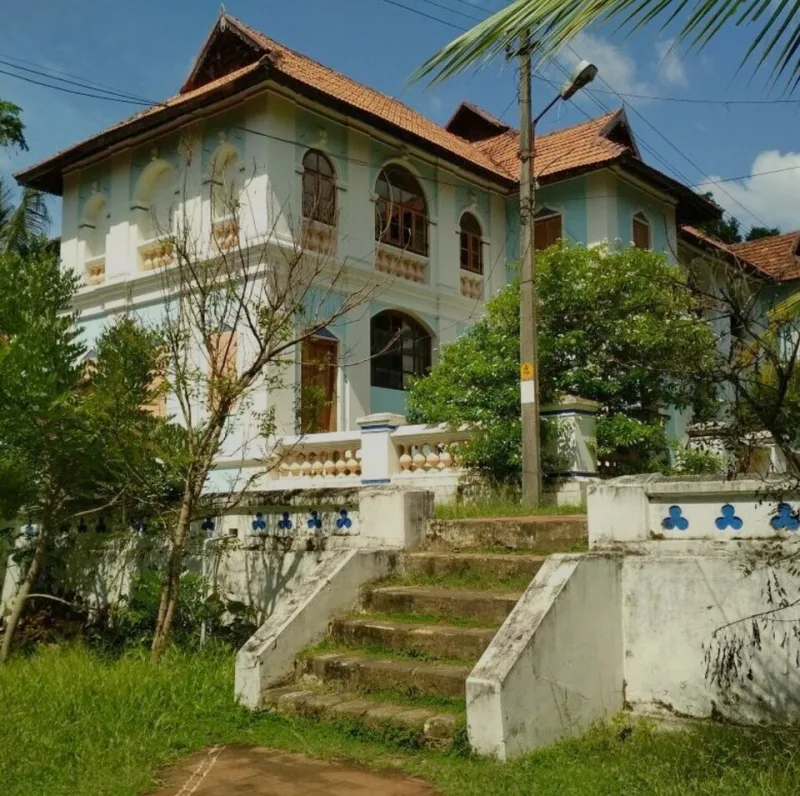
Mukkunnoor Sastha temple, Venjaramoodu, Kilimanoor Palace, Meenmutty waterfall subject to opening rules and the Pacha temple can be added.
Facilities
Village stores only; fuller services at Venjaramoodu and Kilimanoor. There is no entry fee.
Help complete this page
Use the suggestion and photo links here. Every contribution is reviewed before it appears.
For young readers
Ask your grandparents which festival they remember most from childhood, how they travelled to it and what they ate. Their answers are history that no book yet holds.
Along the way
The drive from the capital to Vamanapuram follows the Main Central Road past busy junctions and green slopes. Leave the highway with time to spare, since rural turnings are easy to miss. Roadside stalls sell tender coconut and boiled tapioca with chilli, a simple halt that supports local families.
Safety at festivals
Keep to the side during processions, watch for low wires near tall decorations, supervise children near lamps and fires and agree where to meet if your group is separated. Elderly visitors may prefer the morning rites, which are quieter than the evening crowd.
A closing note
A visit made with patience and courtesy will leave the temple's keepers glad to welcome the next traveller.