Other Attraction
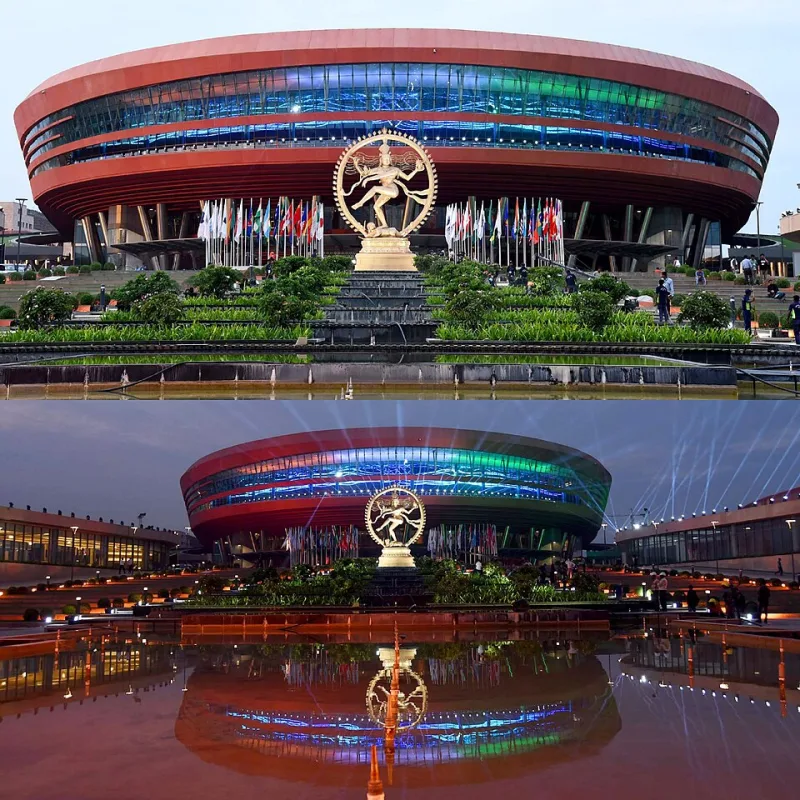
Bharat Mandapam
New Delhi, Delhi
📍 1.2 km away from National War Memorial
The large exhibition and convention centre at Pragati Maidan, unveiled in 2023 and host of the G20 New Delhi s...
Read more →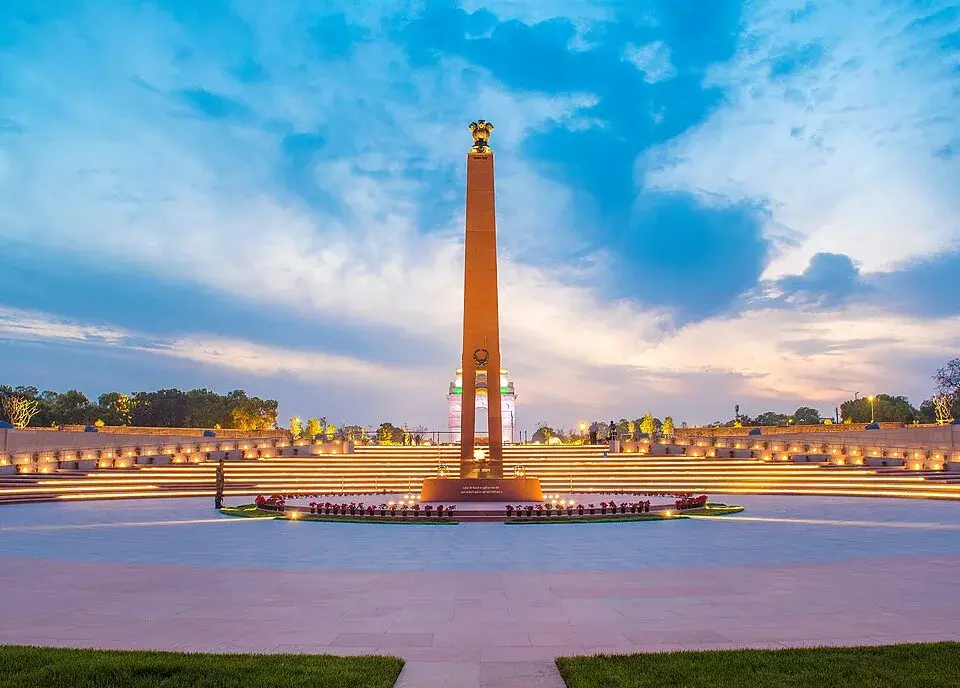 Photo: Ministry of Defence · GODL-India
Heritage and Monument
Delhi · New DelhiAlso known as National War Memorial India Gate
A memorial beside India Gate honouring members of the Indian armed forces who have died in service since Independence, with their names inscribed in gold.
About National War Memorial
A memorial beside India Gate honouring members of the Indian armed forces who have died in service since Independence, with their names inscribed in gold.
Next to India Gate, where New Delhi's great ceremonial avenue ends, the National War Memorial remembers the soldiers, sailors and air personnel who have died for India since 1947. India Gate itself commemorates soldiers who fell in the First World War and campaigns of that era. For decades there was no single national memorial dedicated to the wars and operations of independent India. This one, dedicated to the nation on 25 February 2019, fills that place.
The design is low and open, so that it respects the view along the avenue and the older monuments. A central obelisk rises above an eternal flame. Around it spread concentric circles, each expressing an idea. The innermost represents immortality. A second honours bravery, with large bronze murals showing notable actions. The circle of sacrifice consists of curved walls of granite tablets on which the names of the fallen are inscribed in golden letters, with their ranks and units. The outermost ring, formed by rows of trees, symbolises protection.
The names include those who died in the conflicts with Pakistan and China, in the 1961 operation in Goa, in the peacekeeping operation in Sri Lanka and in many other operations, including long campaigns against militancy. Families come to find a particular tablet, touch the name and leave flowers. Digital kiosks help visitors locate a name. Nearby, a section called Param Yodha Sthal displays busts of recipients of the Param Vir Chakra, the country's highest award for gallantry in war, with accounts of their deeds. Reading even a few of these changes the mood of the visit.
Entry to the memorial is free. Visitors pass through security screening, and there are restrictions on large bags, food and certain items. The opening hours vary slightly between summer and winter, with the grounds generally open from morning into the evening. Near sunset a retreat ceremony is held, and wreath laying takes place on various occasions. A ceremony in which names of fallen personnel are read or families are invited to take part may also be observed. Check the current schedule on the official website or at the entrance.
Behave as you would at any place of mourning. Speak softly, do not run, sit on memorial walls or touch the flame, and ask before photographing relatives who are paying respects. Commercial filming and drones are prohibited without permission, and the surrounding area is tightly secured. On days around Republic Day, Independence Day and other official events, access may be limited or closed.
Delhi's weather shapes the visit. From April to June the stone surfaces radiate fierce heat, so come late in the day and drink water beforehand. Winter mornings can be foggy and air quality poor, in which case sensitive visitors may wish to wear a mask. The paths are largely level, and wheelchair access is provided.
Combine the memorial with a walk around India Gate and the lawns along Kartavya Path, now refurbished with walkways and canals. The National Gallery of Modern Art stands nearby, as does Jaipur House, and the National Museum, the National Police Memorial and the Pradhanmantri Sangrahalaya are a short drive away.
An hour is usually enough, but allow longer if you want to read the stories or attend the evening ceremony. Children often respond well when adults explain what the golden names mean and why the flame is never allowed to go out. The memorial asks for little beyond attention: a pause in a busy capital to recognise people whose service ended in the highest sacrifice, and the families who continue to carry that loss. Arrive a little before dusk, and stay quietly until the ceremony closes.
+ Add your photos Been here? Share what you saw.
Instagram Reels and YouTube Shorts by vloggers and visitors.
Space for a Reel or Short
Space for a Reel or Short
Space for a Reel or Short
Space for a Reel or Short
Full videos, guides and walkthroughs.
No reviews yet. Be the first to share your experience. Reviews appear here once a moderator approves them.
None listed yet.
Address: India Gate Circle, New Delhi
Where the details on this page come from. Timings, fees and phone numbers change, so confirm them before you travel.
Distances are in a straight line from National War Memorial; travel by road is longer.
New Delhi, Delhi
📍 1.2 km away from National War Memorial
The large exhibition and convention centre at Pragati Maidan, unveiled in 2023 and host of the G20 New Delhi s...
Read more →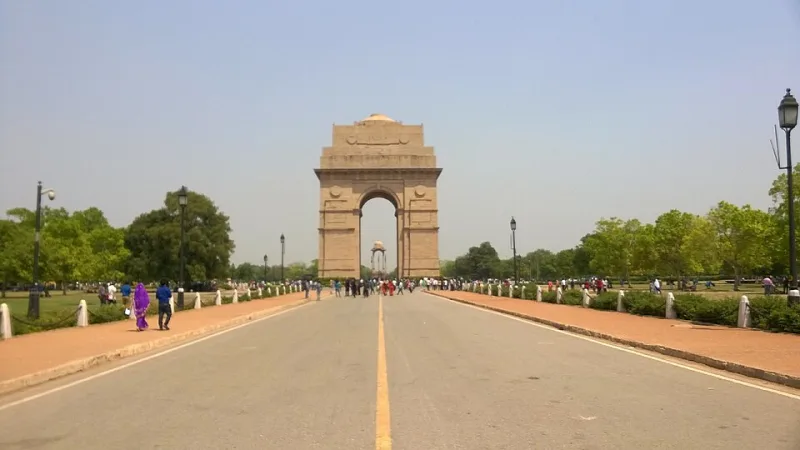
New Delhi, Delhi
📍 1.4 km away from National War Memorial
New Delhi's ceremonial boulevard, renamed and redeveloped in 2022, with lawns, canals and walkways between Rai...
Read more →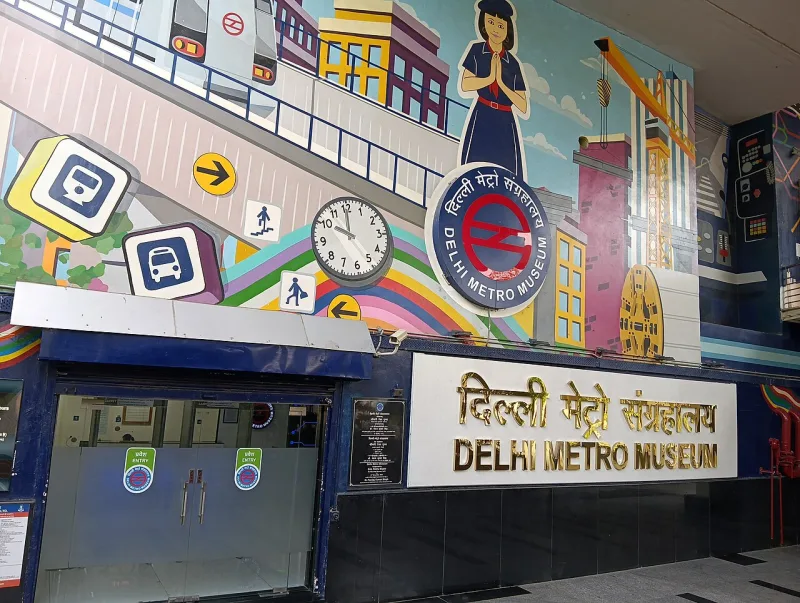
New Delhi, Delhi
📍 1.5 km away from National War Memorial
Reopened in a new home in December 2025: train simulators and tunnelling models that show how Delhi’s Metro wa...
Read more →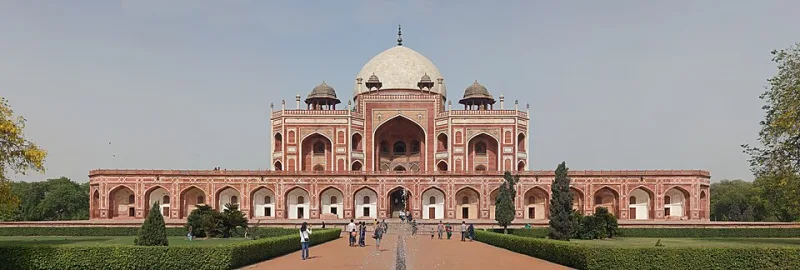
South East Delhi, Delhi
📍 2.8 km away from National War Memorial
A new museum, partly below ground, at the entrance to the Humayun's Tomb precinct, explaining the Mughal garde...
Read more →South East Delhi, Delhi
📍 3.2 km away from National War Memorial
A park near Nizamuddin where replicas of the seven wonders of the world have been built from scrap metal and d...
Read more →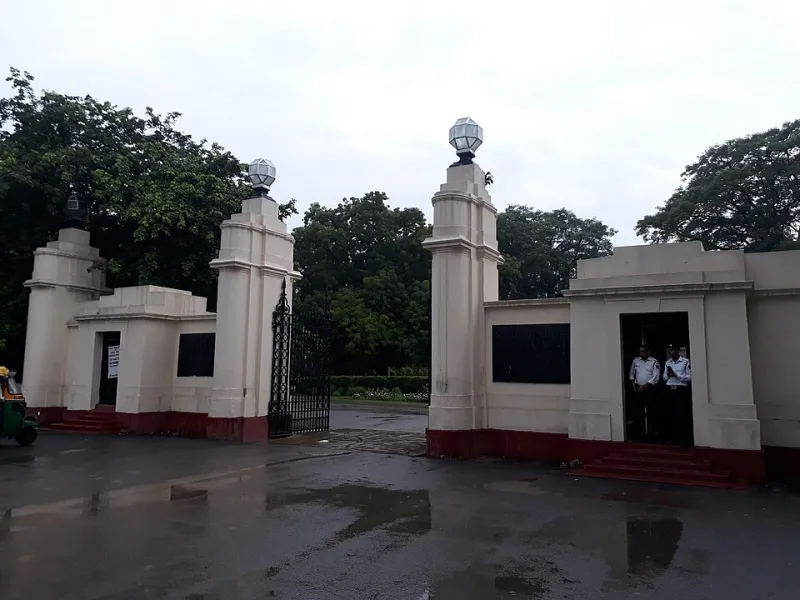
New Delhi, Delhi
📍 3.5 km away from National War Memorial
A museum on the Teen Murti estate telling the story of every Prime Minister of India since 1947, in a historic...
Read more →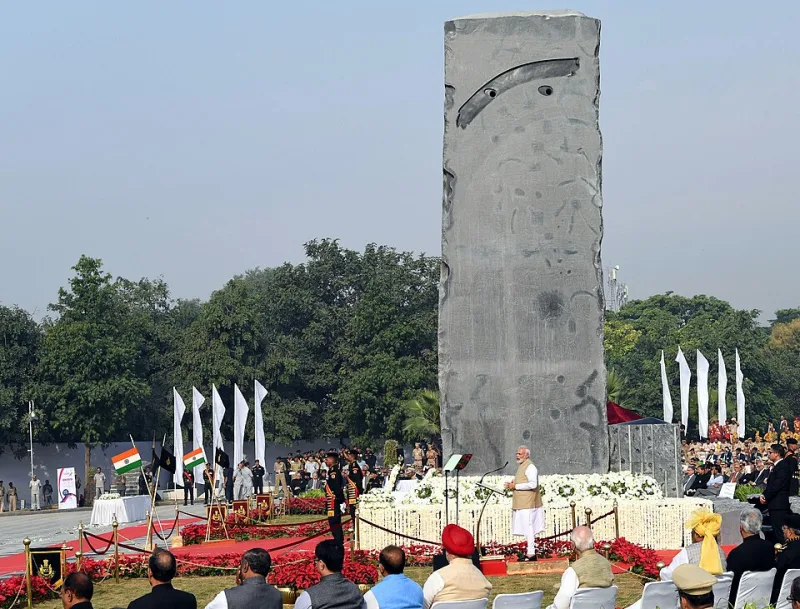
New Delhi, Delhi
📍 4.0 km away from National War Memorial
A memorial and underground museum in Chanakyapuri honouring police personnel who died on duty, with a granite...
Read more →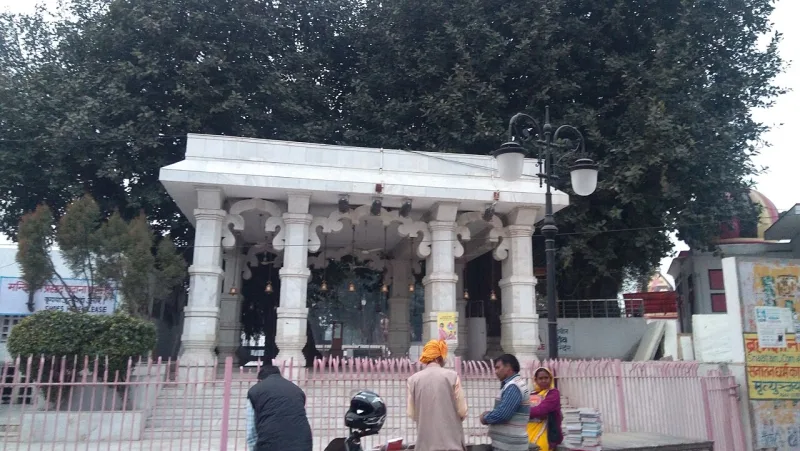
Kurukshetra, Haryana
📍 157 km away from National War Memorial
Opened November 2025: an immersive museum of the Mahabharata beside Jyotisar, where tradition says the Gita wa...
Read more →