A museum on the Teen Murti estate telling the story of every Prime Minister of India since 1947, in a historic residence and a modern new wing.
The Pradhanmantri Sangrahalaya presents the history of independent India through the lives and work of the people who have led its governments. It stands on the Teen Murti estate in central New Delhi, a green campus whose main house was built for the British Commander in Chief and later became the official residence of Jawaharlal Nehru, the first Prime Minister.
After Nehru's death the house became a memorial museum and library, long known as the Nehru Memorial Museum and Library and valued by scholars for its archives. In April 2022 the institution was expanded and opened as a museum of all the Prime Ministers, and it is managed by a society under the Ministry of Culture. A new building was added beside the historic residence, its design incorporating forms that suggest a rising nation and the hands of the people.
Visitors move through the story broadly in order. The earlier sections cover the freedom movement, the making of the Constitution and the first years of the Republic, with the preserved rooms and objects connected with Nehru. Galleries in the newer block devote space to each successor, describing the circumstances in which they took office, the main decisions and challenges of their time, and personal items, photographs, letters, speeches and gifts lent by families or drawn from collections.
Technology is used extensively. Large screens, holographic and projection displays, interactive tables and a ride style experience about the country's future hold the attention of younger visitors. Some activities let you pose for a virtual photograph or hear a speech again. Headphones or an audio guide in different languages help you follow the narrative at your own pace.
A museum of political history inevitably involves interpretation, and readers may bring their own views about particular governments and episodes. It is worth treating the displays as a starting point for discussion. Families with members who remember earlier decades often find that the objects prompt long conversations about wars, economic change, elections and daily life.
Tickets are charged, with concessions for some groups, and online booking is available. The museum normally closes one day a week, often Monday, and on certain holidays; verify before setting out. Security checks apply, bags may have to be deposited and photography is restricted in parts of the galleries. There are toilets, places to rest, a shop and refreshment facilities. Lifts and ramps make much of the complex accessible, and staff can assist with wheelchairs.
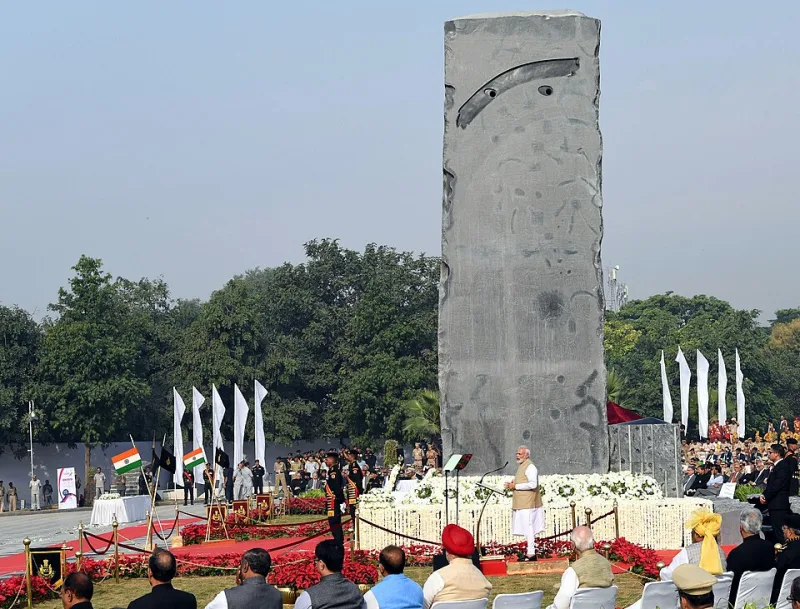
Give yourself at least three hours. A sensible approach is to choose the periods that interest you most and spend longer there, since reading everything would take most of a day. Walk around the lawns afterwards. The Teen Murti memorial at the road junction, which honours soldiers from princely state cavalry units who served in the First World War, gives the estate its name, and a planetarium on the grounds offers sky shows at scheduled times.
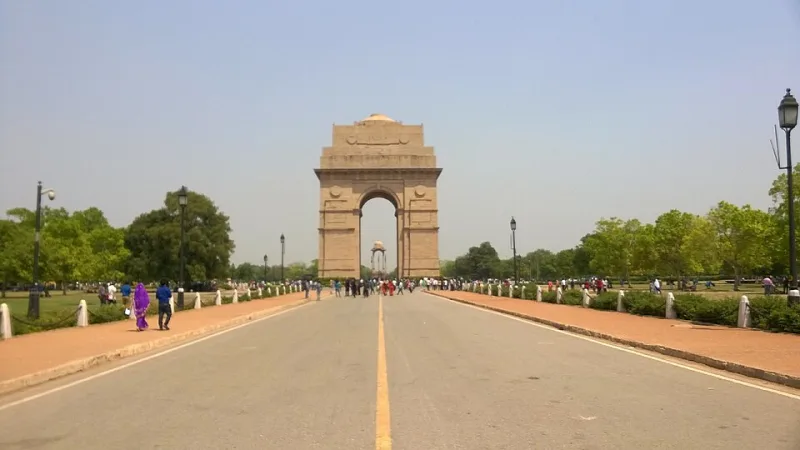
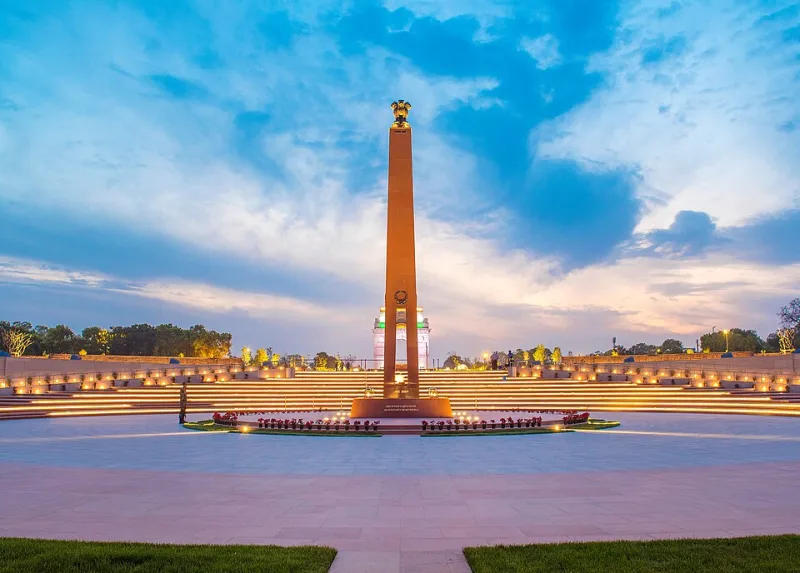
Nearby you can visit the National Rail Museum, Nehru Park, the Gandhi Smriti memorial where Mahatma Gandhi spent his last days, and the Indira Gandhi Memorial Museum on Safdarjung Road. India Gate and the National War Memorial are a short drive east.
October to March is the comfortable season in Delhi, though the museum's indoor galleries make it a good refuge during the summer heat or monsoon showers. Students of history, civics teachers and travellers who want to understand how modern India has been governed will find that a morning here connects names from textbooks with letters, voices and rooms. Keep your ticket handy and allow time to leave unhurried.
If time is short, ask at the entrance which galleries are most popular and visit those first. School holidays bring large groups, and an early slot usually gives more room around the interactive exhibits. Keep your identity card with you throughout the visit.
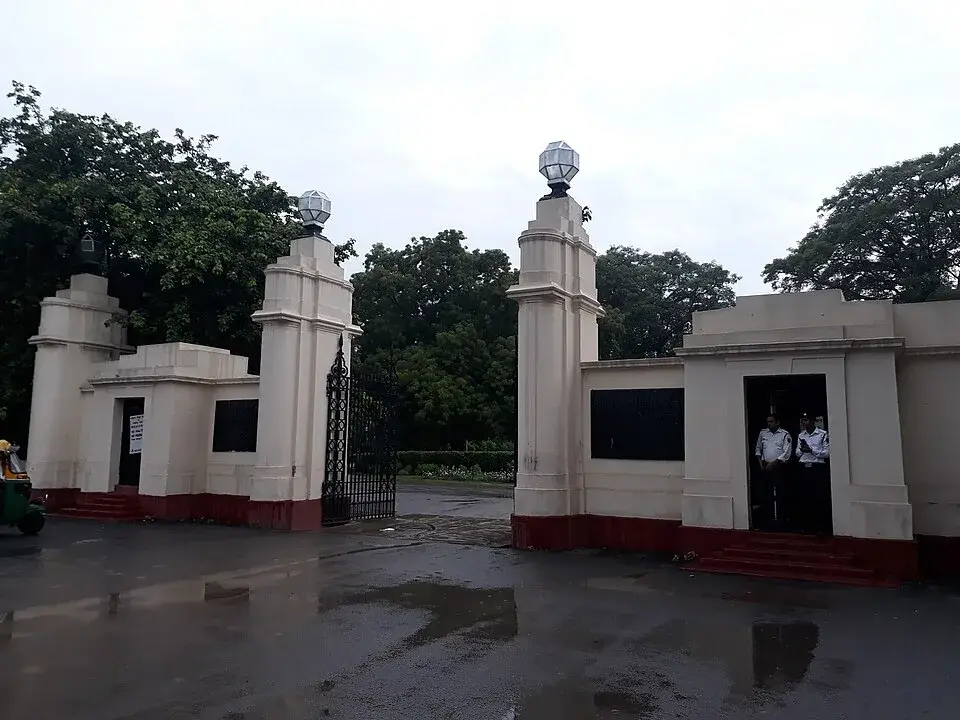 Photo: Pinakpani · CC BY-SA 4.0