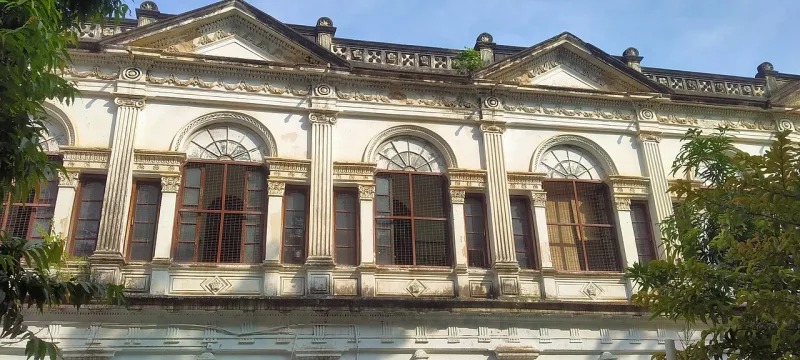
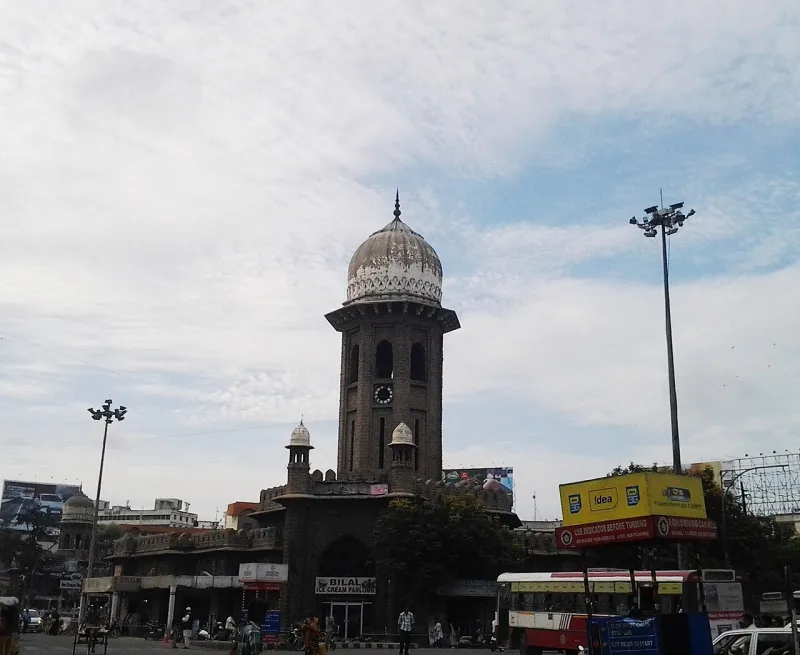
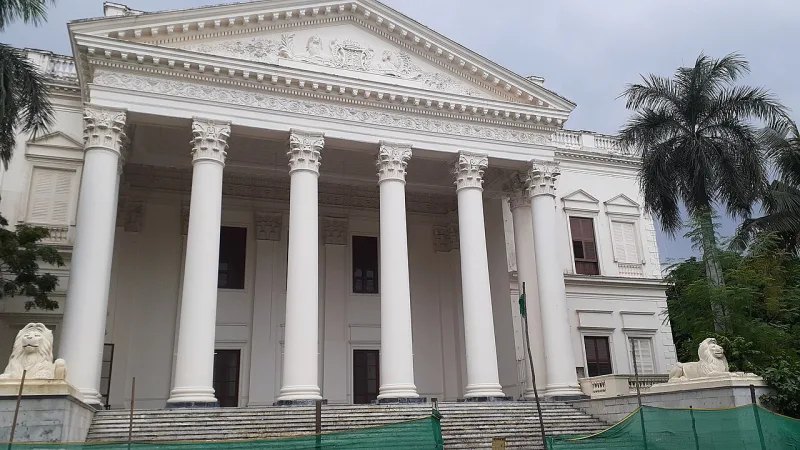
A dignified riverside library building of 1936, heir to the Asafia Library founded in 1891, holding rare books and a busy reading public.
A city's character can be read in its libraries, and Hyderabad's great public collection lives in one of the finest buildings on the Musi. The State Central Library, still remembered by its older name, the Asafia Library or Kutub Khana Asafia, has served readers for well over a century.
It was established in 1891, with its first home in the Abids area where the General Post Office now stands, under the patronage of the Asaf Jahi government and scholars who wished to preserve books and manuscripts. In 1936 it moved to the present building at Afzal Gunj, a purpose built structure that remains among the most imposing in the city. After the political reorganisation of the region it became the central library of the state.
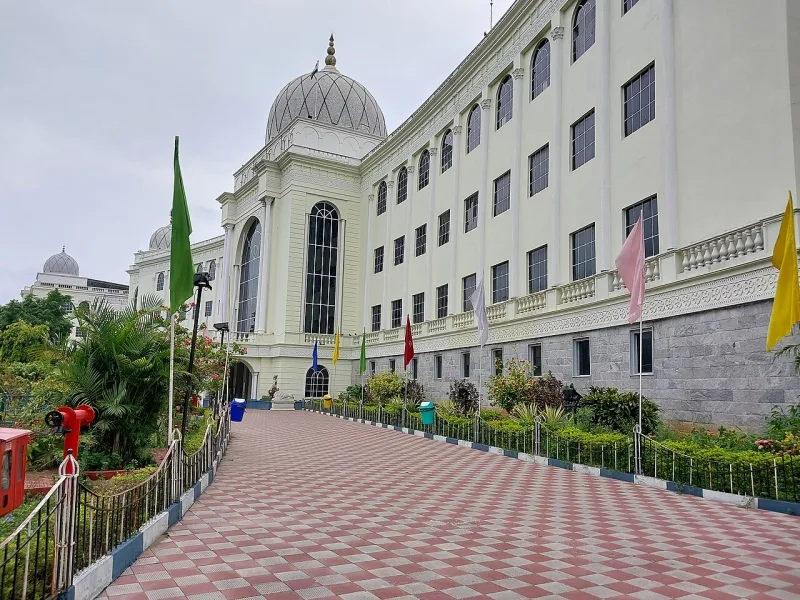
The architecture is symmetrical and monumental, with a raised front, arches, domed corner features and generous halls. It belongs to the sequence of public works that gave the riverfront its distinguished appearance in the decades following the flood of 1908. Tall windows light the reading areas, and old wooden furniture and shelving in parts of the building recall an earlier style of study.
The holdings are large and multilingual, reflecting the cultural mixture of the state: books and periodicals in Telugu, Urdu, English, Hindi, Persian, Arabic and other languages. Older volumes and manuscripts are of particular value to historians. Some material has been digitised, while much requires careful handling and preservation, and funding and maintenance have been recurring concerns.
Today the library is intensely used, especially by young people preparing for competitive examinations, who fill the reading rooms and even sit in the grounds. Visitors should remember this. Walk quietly, do not photograph readers and avoid occupying study places merely to look around. At the entrance you may be asked to sign a register or show identification. Ask the librarian before entering particular sections, taking pictures or requesting old books. Membership rules govern borrowing.
An hour gives time to look at the exterior, glance into permitted halls and speak briefly with staff. Researchers should write or visit in advance to find out how to consult rare items, what documents are needed and what charges apply for copies. Opening hours and weekly holidays may differ between sections.
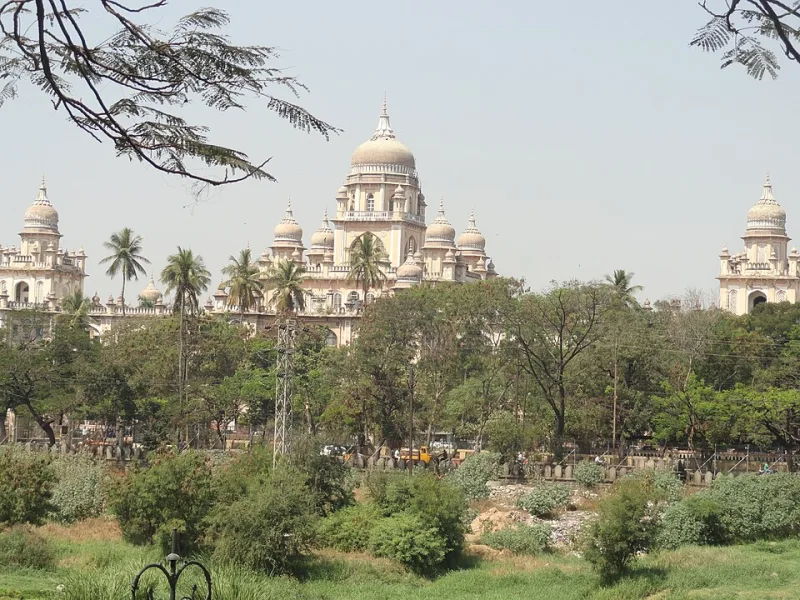
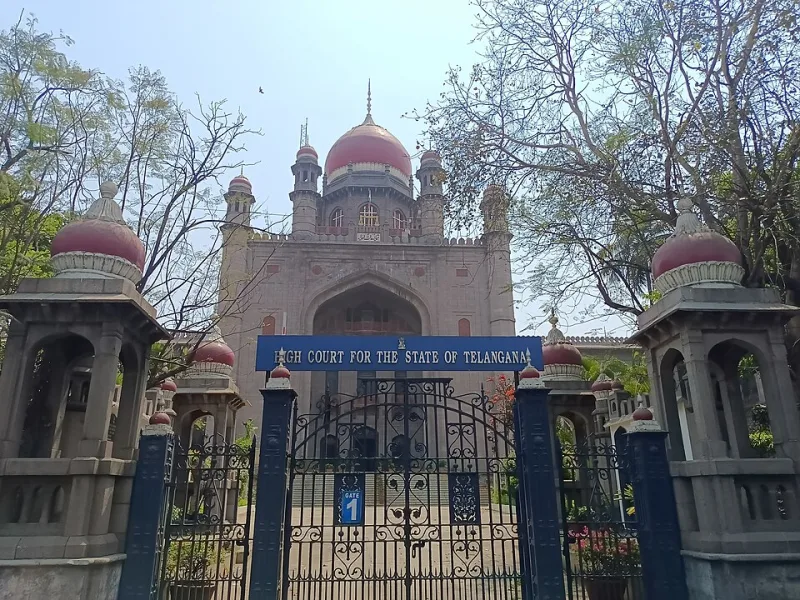
The setting makes it easy to combine with nearby heritage. Cross towards the High Court and Osmania General Hospital to see how the three buildings form an ensemble, visit City College, and continue to the Salar Jung Museum, which has its own remarkable library of manuscripts and rare volumes. The Telangana archives and archaeology museum in the Public Gardens area also interest students of history.
November to February is the most comfortable season. In summer the interior offers some relief, though older halls may be warm, so carry water and leave it where permitted. Monsoon traffic around Afzal Gunj can be slow.
Book lovers can end the day browsing the second hand book stalls found in parts of the Koti area, a long standing tradition for students, before having tea in one of the neighbourhood's cafes.
The library is not a conventional tourist attraction, and its reward is different. Here you see knowledge being shared across generations in a building made for that purpose. The pages of old Persian chronicles and the notes of a student preparing for tomorrow's test share one roof. Supporting such places, even by showing respectful interest, helps to keep alive an institution that has quietly educated Hyderabad through changes of rulers, states and languages.
Teachers who bring students should contact the library beforehand, keep the group small and explain the rules at the gate. Seeing catalogues, old bindings and readers at work can encourage young people to use public libraries in their own towns.
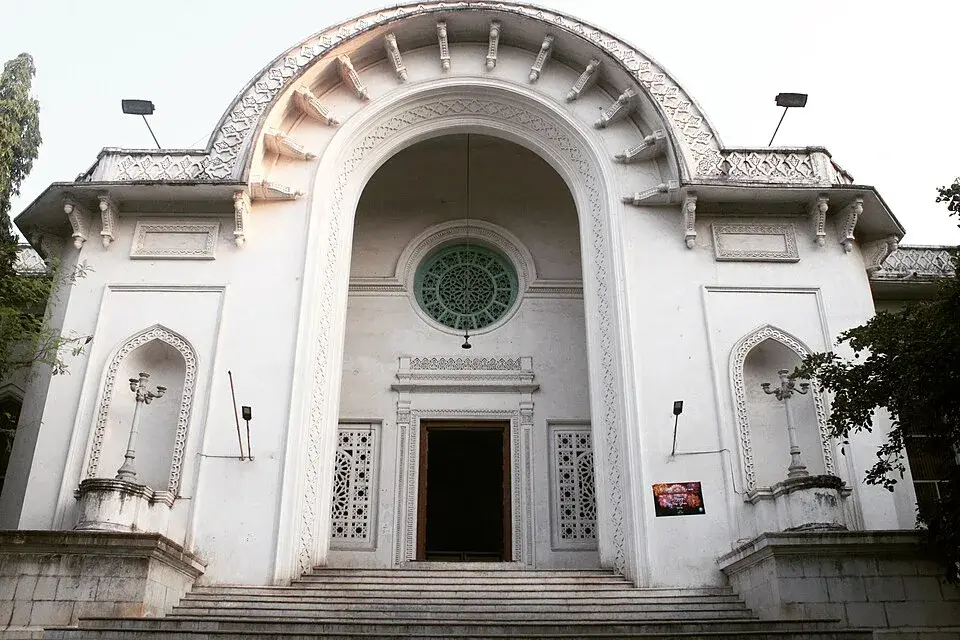 Photo: Adbh266 · CC BY-SA 3.0