Photo: Ramesh Lalwani · CC BY 2.0

Temple / religious celebration

Nicobarese Ossuary Feast and Pig Festival

Nicobarese villages, Nicobar, Andaman and Nicobar Islands

No fixed calendar; held by families and villages, traditionally on moonlit nights in the dry season. By invitation and permission only.

A Nicobarese observance honouring ancestors, with feasting, night-long dance and canoe races. It is a community rite, not a tourist show.

When
No fixed calendar; held by families and villages, traditionally on moonlit nights in the dry season. By invitation and permission only.
Where
Nicobarese villages, Nicobar, Andaman and Nicobar Islands

About the celebration

What to expect

A Nicobarese observance honouring ancestors, with feasting, night-long dance and canoe races. It is a community rite, not a tourist show.

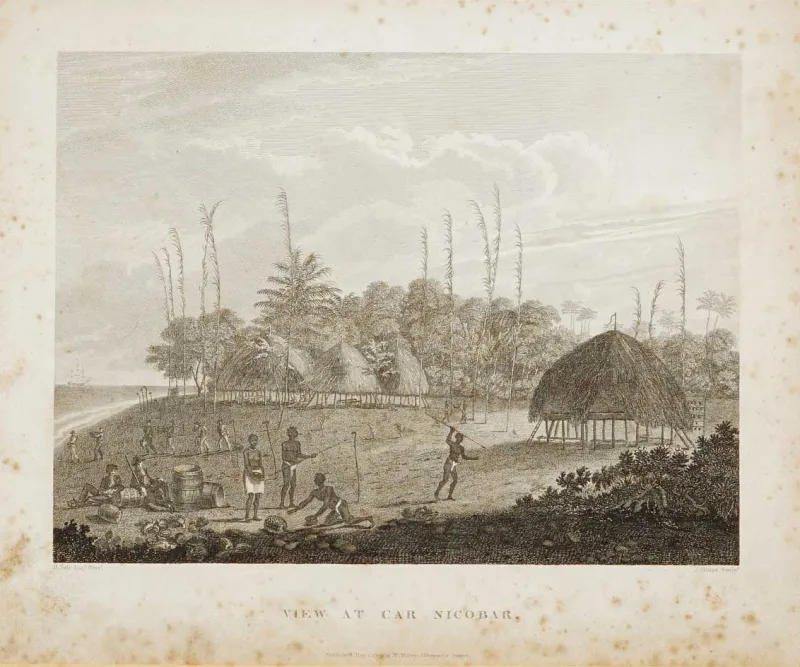
The Nicobarese ossuary feast and pig festival are traditional observances honouring ancestors, with communal feasting, night-long dance and canoe races. These are community rites and not tourist shows. They are closely linked in accounts of Nicobarese life, though descriptions differ on whether they are one occasion or two, and practice varies between islands. Entry to the Nicobar Islands requires permission, and attendance at such an observance is possible only by invitation of the community. At its heart the observance is about caring for the dead and binding the living together through sharing. Extended families prepare over a long period, raising pigs and gathering coconuts and other food. Relatives and neighbouring villages join in, and hosting a gathering has traditionally brought standing to a family, since it expresses generosity and the strength of its relationships. Accounts from the early twentieth century describe the remains of the dead being brought out, honoured and reburied, followed by a feast, after which the spirits were respectfully sent on their way. These are old descriptions written by outsiders. Present day practice belongs to the community and may be quite different. Many families are now Christian, and feasts on such a scale have become rare, partly because of their cost. Readers should therefore not expect to find the ceremony as older books portray it. Dancing is among the best known elements of Nicobarese festivals. Men and women form circles or lines, linking arms, moving and singing together, sometimes through the night and often under a bright moon. Canoe races, wrestling and contests involving pigs may also form part of the days. The canoe, shaped with great skill, is central to island life and a source of village pride. There is no fixed calendar. Such occasions are held by families and villages, traditionally on moonlit nights in the dry season. No outside agency arranges them, and no tickets or public schedules exist. Anyone with a proper reason to be in the islands should first obtain permission from the district authorities, and should attend only if clearly invited by hosts. If you are honoured with an invitation, follow your hosts and village elders at every step. Dress modestly, accept food graciously where you can, ask what is expected of a guest and do not enter houses or sacred areas unless asked. Never photograph or record without consent, and respect a refusal completely. Do not publish images of rituals or individuals without clear permission. Avoid comments that treat customs as curiosities, since they concern family members who have died. Travellers who cannot go to the Nicobars can still learn about this culture. The Zonal Anthropological Museum in Sri Vijaya Puram presents Nicobarese dwellings, objects and ways of life, and public festivals in the capital sometimes include Nicobari dance performed by community groups, which can be enjoyed openly. Memory, generosity and belonging are the meanings that observers have repeatedly found in these gatherings. Many societies across India and the world have their own ways of feeding relatives and neighbours in the name of ancestors, and recognising that shared human impulse helps a visitor approach the Nicobarese custom with respect. The most important lesson is simple: the ceremony belongs to the families who hold it, and their wishes decide who may see it, how it may be described and whether it continues in its older form. Reading widely is also worthwhile, with preference given to accounts that include Nicobarese voices and that make clear when a description was recorded and by whom. Knowledge gathered in this careful way allows a reader to appreciate the dignity of the tradition without intruding upon it, and to recognise that a living community may change its practices for reasons of its own.
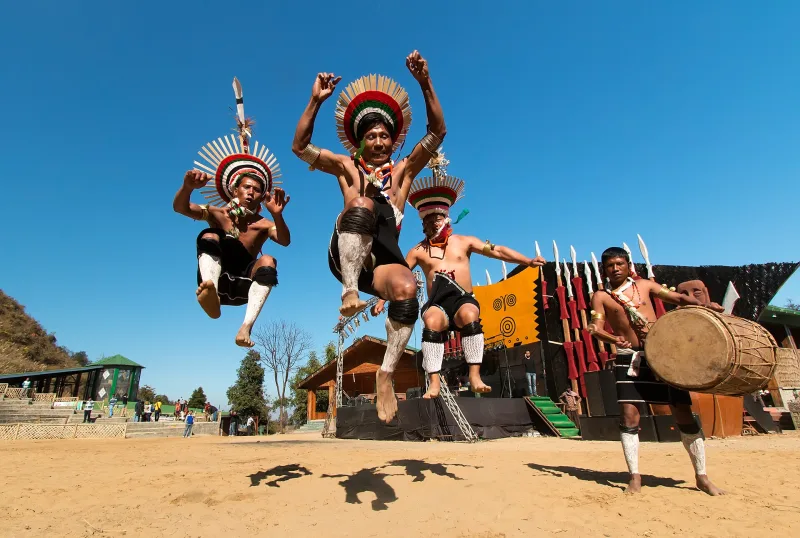
  • Nicobari circle dance
  • Community feasting
  • Canoe racing

Origin and history

Early twentieth-century accounts describe remains of the dead being brought out, honoured and reburied, followed by a feast after which the spirits were respectfully sent on their way. Hosting a feast brought standing to the family. These are old outsider accounts; present-day practice belongs to the community and may be quite different.

Stories worth knowing

Memory, generosity and belonging

At its heart the observance is about caring for the dead and binding the living together through sharing. Respect for that meaning matters more than any spectacle.
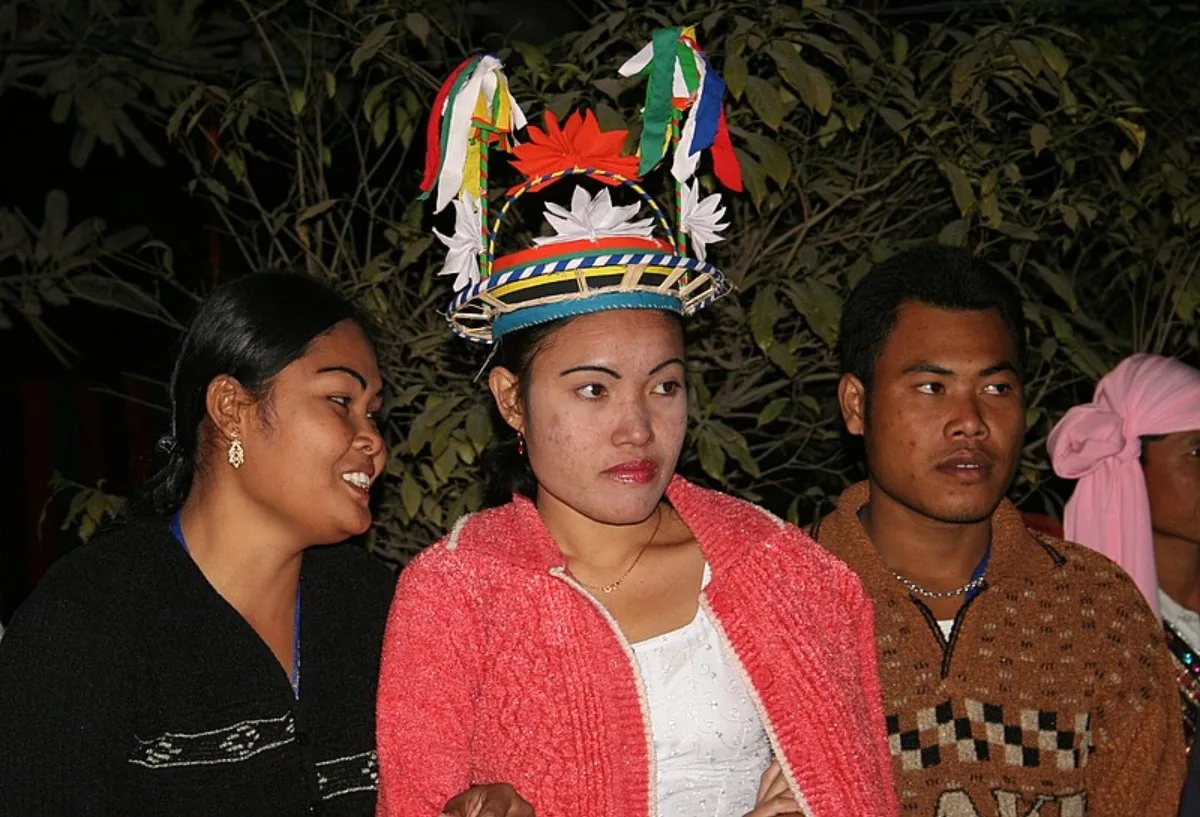
Photos (1)

Photo credits
  1. Photo: Ramesh Lalwani · CC BY 2.0 · Source

Visitor tips

  • Entry to the Nicobar Islands needs permission
  • Attend only if invited by the community
  • Never photograph without consent

Getting there

Visitors need permission to travel to the Nicobar Islands.

Open directions in Google Maps

Sources

Where the details on this page come from. Timings, fees and phone numbers change, so confirm them before you travel.

Nearest places to Nicobarese Ossuary Feast and Pig Festival

Distances are in a straight line from Car Nicobar; travel by road is longer.

Places near me