Heritage and Monument
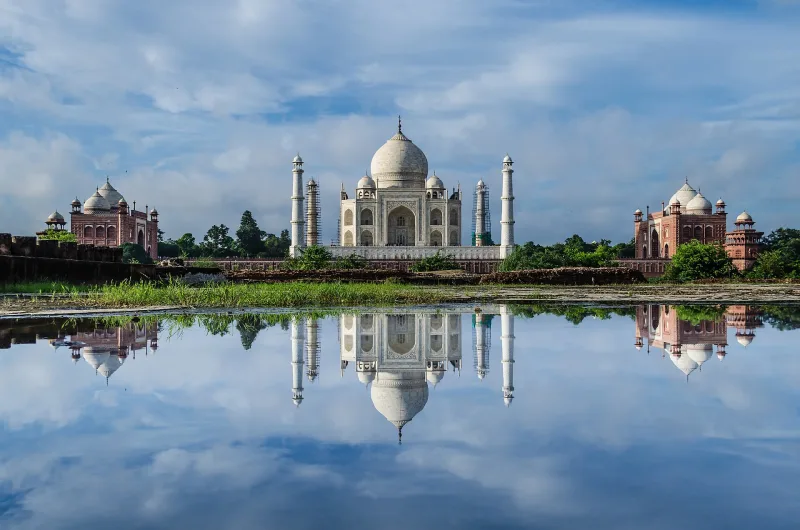
Taj Mahal
Agra, Uttar Pradesh
📍 189 km away from Kuno National Park
The white marble mausoleum built by Shah Jahan on the bank of the Yamuna.
Read more →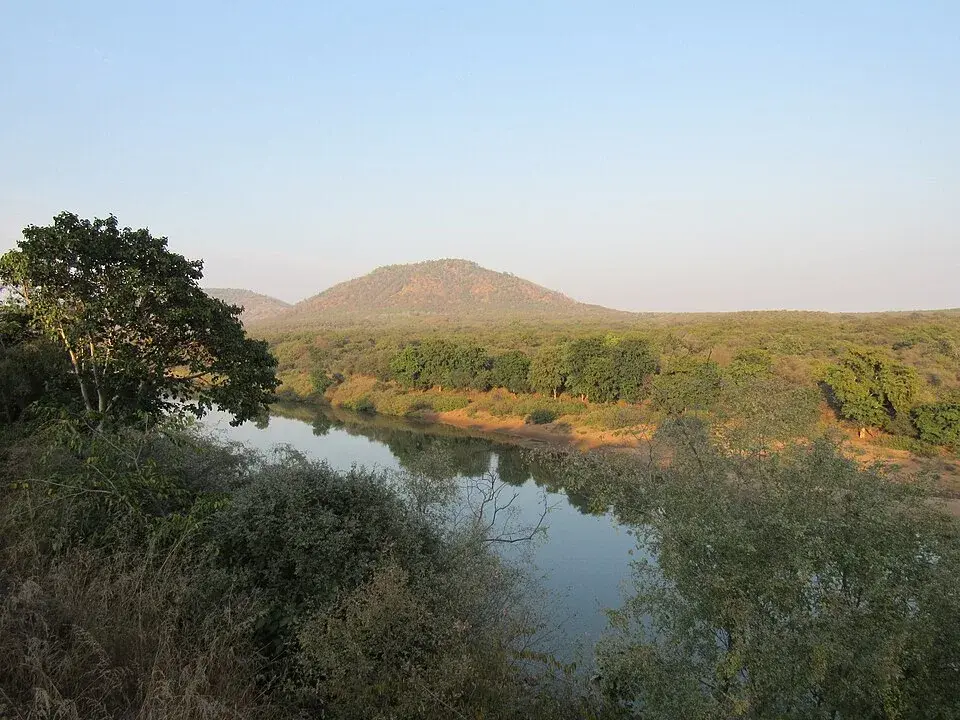 Photo: M G Chandrasekr · CC BY-SA 4.0
National Park and Wildlife
Madhya Pradesh · SheopurAlso known as Kuno Palpur
The dry forest and grassland park chosen as the first home in India for cheetahs brought from Africa under Project Cheetah.
About Kuno National Park
The dry forest and grassland park chosen as the first home in India for cheetahs brought from Africa under Project Cheetah.
In September 2022 Kuno made news around the world when cheetahs flown from Namibia were released into enclosures here. The animal had been declared extinct in India in 1952, and Project Cheetah set out to establish it again, with further animals arriving from South Africa in 2023. Cubs have since been born in India. The park in Sheopur district is the first site of this experiment.
Kuno began as a wildlife sanctuary in 1981 and became a national park in 2018, with the protected core covering around 750 square kilometres within a larger forest landscape. It takes its name from the Kuno river, a tributary of the Chambal system that flows through it. The terrain is a mosaic of dry deciduous woodland, with kardhai, salai and khair trees, broad grasslands, ravines and rocky ridges. Many of the open meadows were once village fields; residents were relocated from the area in earlier years as part of conservation planning, originally in connection with a proposal to bring Asiatic lions.
Wildlife includes leopards, striped hyenas, jackals, wolves, sloth bears, chital, sambar, nilgai, chinkara, wild boar and langurs, along with a rich variety of birds. Crocodiles and turtles live in suitable stretches of water.
Visitors should keep expectations realistic about cheetahs. Their numbers are small, some are held in large enclosures for management, others range widely, and the project has experienced losses as well as successes. A safari may or may not produce a sighting, and no guide can promise one. The reward lies in seeing a landscape where an ambitious restoration is under way.
Safaris are conducted in permitted vehicles along designated routes with guides, subject to the park's seasons and rules. Entry gates, timings, fees and the availability of zones can change according to wildlife management, so book through official channels or recognised operators and confirm shortly before travel. The core area is generally closed during the monsoon, roughly July to September.
Observe good safari conduct. Stay in the vehicle, keep quiet, do not ask the driver to leave the track or crowd an animal, switch off the horn and take all litter back. Never share precise real time locations of sensitive animals on social media. Drones are prohibited.
Wear dull coloured clothing and closed shoes. Winter mornings in an open vehicle are surprisingly cold, while April to June is intensely hot, although animals gather near water then. Carry drinking water, sun protection, binoculars and any medicines. Medical facilities and fuel are limited close to the forest.
Accommodation has been developing around the park, from forest rest houses and tented camps to small hotels in Sheopur and Shivpuri. The neighbouring region offers Madhav National Park near Shivpuri, with its lake and old royal memorials, and Gwalior with its magnificent hill fort, palaces and musical heritage. Ranthambore in Rajasthan lies within a long drive for those planning a wildlife circuit.
November to March gives pleasant weather and good birdwatching. Support local guides and homestays, because the project depends on the goodwill of neighbouring communities. Whether or not you glimpse a spotted runner in the grass, a dawn drive beside the Kuno river conveys what is at stake: space, prey and patience, the things a returning species needs if it is to belong here again.
Plan at least two safaris, one in the morning and one in the afternoon, since light, temperature and animal activity differ greatly. Guides often point out tracks, alarm calls and plants that reward patience. Treat birds, reptiles and the changing forest as part of the visit, and the drive will not depend on a single rare animal.
Evenings at your lodge are a good time to note the species seen during the day.
+ Add your photos Been here? Share what you saw.
Instagram Reels and YouTube Shorts by vloggers and visitors.
Space for a Reel or Short
Space for a Reel or Short
Space for a Reel or Short
Space for a Reel or Short
Full videos, guides and walkthroughs.
No reviews yet. Be the first to share your experience. Reviews appear here once a moderator approves them.
None listed yet.
Address: Sheopur district, Gwalior Chambal region
Where the details on this page come from. Timings, fees and phone numbers change, so confirm them before you travel.
Distances are in a straight line from Kuno National Park; travel by road is longer.
Agra, Uttar Pradesh
📍 189 km away from Kuno National Park
The white marble mausoleum built by Shah Jahan on the bank of the Yamuna.
Read more →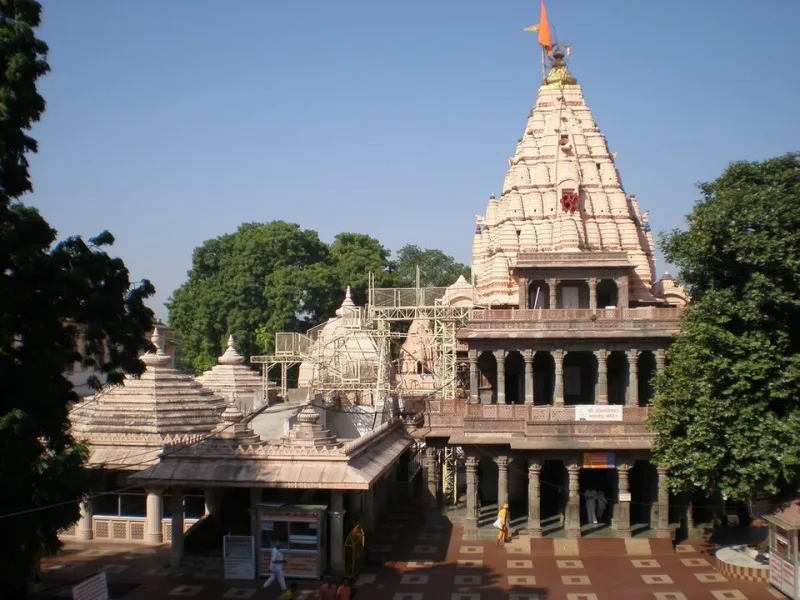
Ujjain, Madhya Pradesh
📍 311 km away from Kuno National Park
A spacious temple corridor around the Mahakaleshwar Jyotirlinga in Ujjain, first opened in 2022, lined with de...
Read more →South East Delhi, Delhi
📍 326 km away from Kuno National Park
A park near Nizamuddin where replicas of the seven wonders of the world have been built from scrap metal and d...
Read more →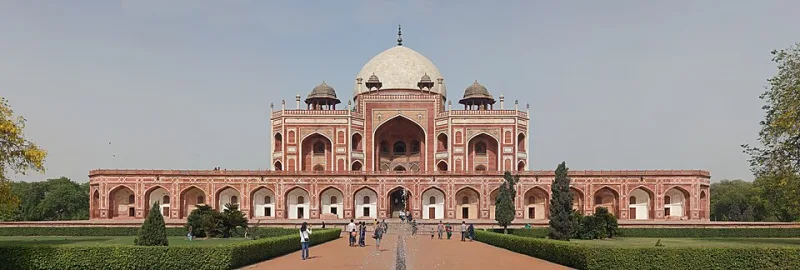
South East Delhi, Delhi
📍 326 km away from Kuno National Park
A new museum, partly below ground, at the entrance to the Humayun's Tomb precinct, explaining the Mughal garde...
Read more →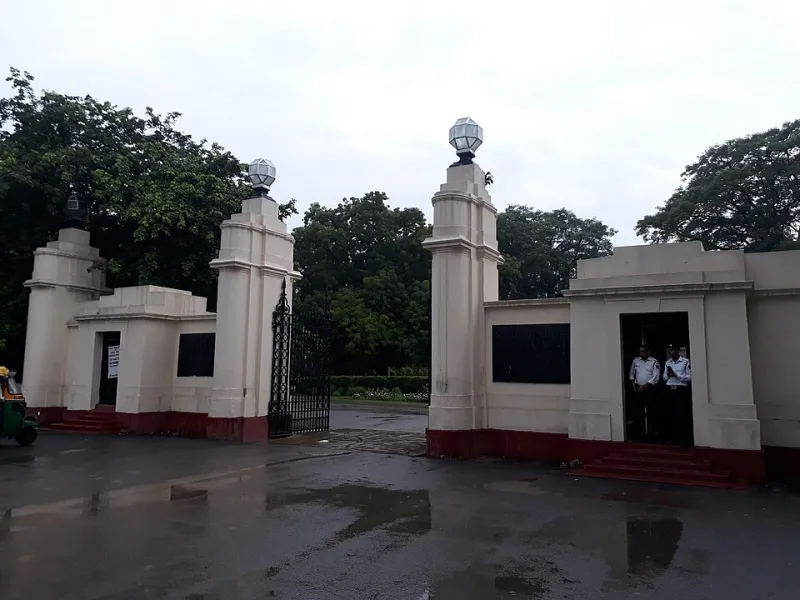
New Delhi, Delhi
📍 326 km away from Kuno National Park
A museum on the Teen Murti estate telling the story of every Prime Minister of India since 1947, in a historic...
Read more →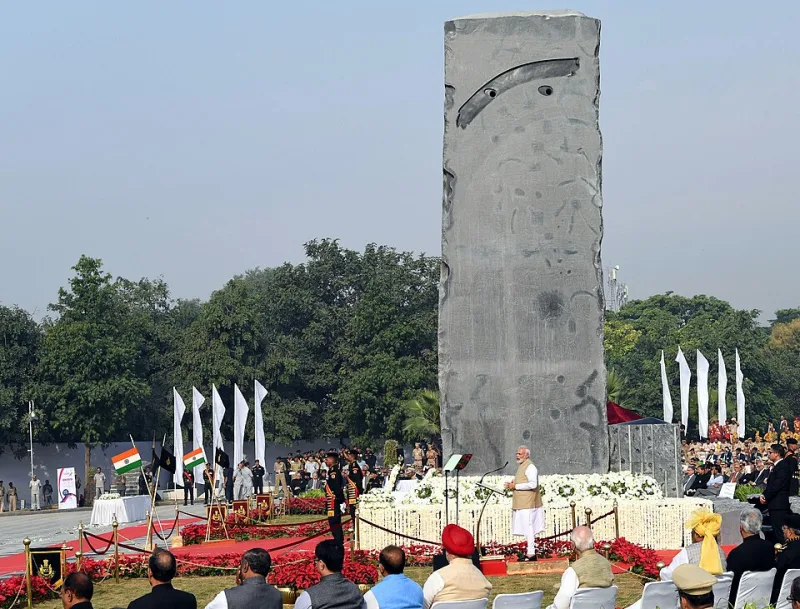
New Delhi, Delhi
📍 327 km away from Kuno National Park
A memorial and underground museum in Chanakyapuri honouring police personnel who died on duty, with a granite...
Read more →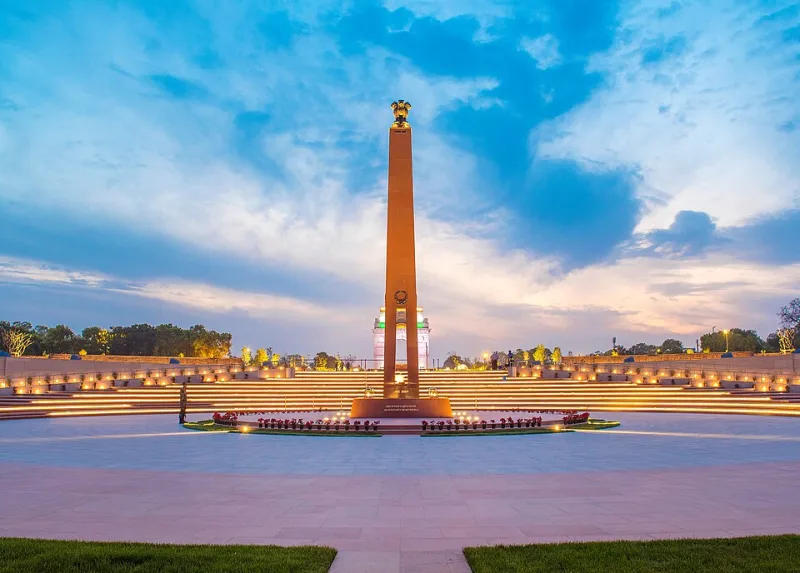
New Delhi, Delhi
📍 328 km away from Kuno National Park
A memorial beside India Gate honouring members of the Indian armed forces who have died in service since Indep...
Read more →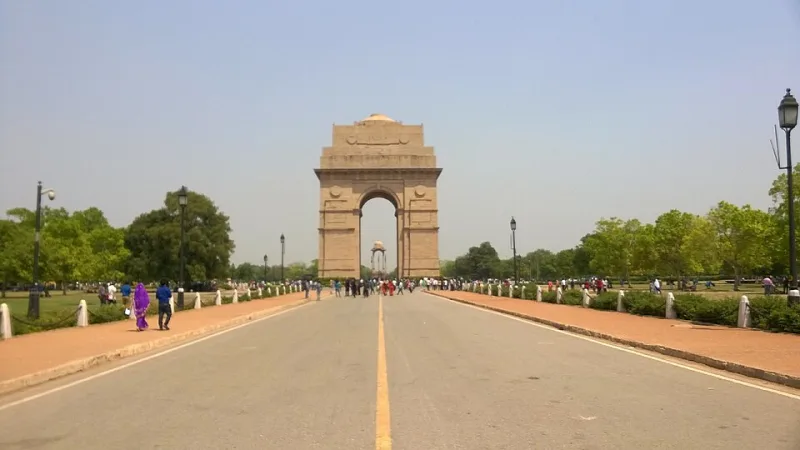
New Delhi, Delhi
📍 328 km away from Kuno National Park
New Delhi's ceremonial boulevard, renamed and redeveloped in 2022, with lawns, canals and walkways between Rai...
Read more →