A temple of Shiva and Parvati famous for a Shivalinga about 111 feet high that visitors can enter and climb through seven levels.
At a glance
What: A Shiva and Parvati temple with a very tall, hollow Shivalinga and other large sacred structures.
Where: Puttaraikkal in Chenkal panchayat, south of Neyyattinkara.
When: Open through the year; hours for the temple and the tall structures should be checked.
How: By road from Neyyattinkara or Parassala.
By whom: The temple's own management.
For whom: Pilgrims, families and visitors curious about modern temple building.
The temple
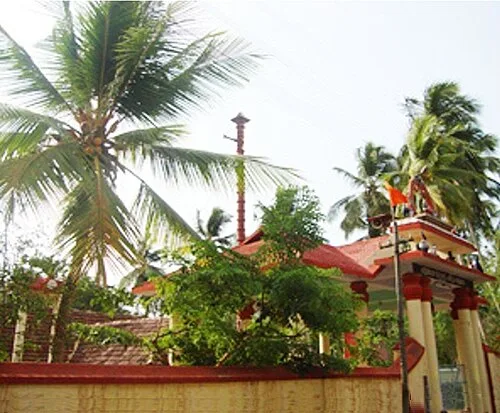
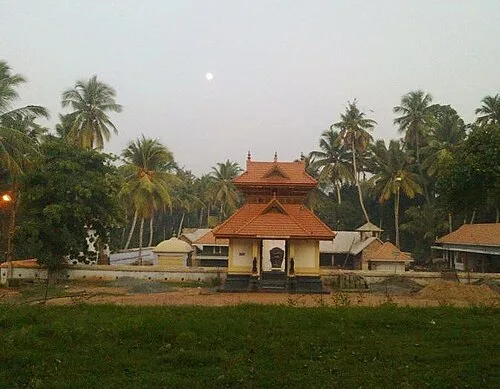
Chenkal Maheswaram has become one of the best known sights of the southern border country. Its principal deities are Shiva and Parvati seated together on a single pedestal. Around that core the management has raised structures on a scale unusual for Kerala, so that the temple now draws both worshippers and sightseers from distant places.
The great linga
The chief attraction is a Shivalinga rising about 111 feet. A Malayalam account describes it as the second tallest in the world; rankings of this kind change whenever a new structure is built or a record body measures again. Whatever its present place in any list, it dominates the surrounding palms and can be seen from a distance.
Seven levels within
The linga is hollow and holds seven storeys, each with its own images. Visitors pass upward through them in sequence. Such designs are usually explained in terms of the seven chakras of yogic thought, centres along the spine through which awareness is said to rise. Climbing becomes a symbolic journey as well as a physical one.
Worship by one's own hand
On the lowest level a linga is installed where devotees may themselves perform worship. This is a notable feature in a region where only appointed priests normally touch temple images. For many pilgrims, pouring water with their own hands is the most memorable moment of the visit. Follow the attendants' instructions about what may be offered.
Vaikuntam
Beside the linga stands another structure, about eighty feet high, called Vaikuntam after the heaven of Vishnu. It is devoted mainly to Vaishnava forms and contains many images. The pairing of a Shaiva tower with a Vaishnava one expresses the harmony of the two great streams of devotion.
Hanuman
Linking the two structures at the top is a figure of Hanuman described as sixty-four feet long. In the Ramayana, Hanuman leaps across the ocean and carries a mountain bearing healing herbs. A figure stretched between two towers recalls such flights and appeals greatly to children.
Other shrines
Ganapati, Subrahmanya, Ayyappa, the nine planets and the serpent deities have their places, and thirty-two forms of Ganapati are installed. Texts and traditions list these thirty-two forms, each with its own posture and attributes, from the child Ganapati to the many-armed protector. Looking for their differences rewards patient viewers.
Water of the Ganga
The account of the temple also mentions an installation connected with water of the Ganga. In Hindu belief the river descended from heaven and was caught in Shiva's hair to soften her fall. Water brought from the river is treasured for its sanctity. It is meant for ritual reverence; do not assume it is fit to drink.
Old devotion, new building
The scale of these works belongs to recent decades. This is worth saying clearly, because a visitor may assume that everything impressive in a temple must be ancient. Kerala is seeing a number of ambitious modern temple projects, supported by devotees, which draw on traditional iconography while using present-day engineering.
Records and claims
Record-keeping organisations have recognised very tall religious structures across India, and temples publicise such recognition. Height measurements may include or exclude the base. If the exact figure matters to you, look for the certificate displayed on site and note which body issued it and in what year.
Visiting inside
Passages and stairs inside tall structures can be narrow, dim and warm. People with heart or breathing trouble, vertigo, difficulty with steps or a fear of enclosed places should consider staying outside. Hold children's hands, move in the direction signed and do not stop on stairs for photographs.
Photography and silence
Parts of the interior are treated as places of meditation, where silence is expected and cameras may be forbidden. Mobile phones may have to be deposited. Respect these rules even if others ignore them. The exterior views are generally what visitors photograph, again subject to the notices displayed.
Festivals
Maha Shivaratri is naturally the greatest occasion, with night-long worship and very large crowds. Other festivals of the Shiva, Vishnu and Ganapati calendars are observed. Confirm dates and any changes to access, since the climb may be restricted when numbers are high.
Dress and conduct
Traditional modest clothing is expected. Men may need to remove shirts in the older worship area; rules at different parts of the complex may differ. Footwear is left at the entrance, so carry socks if the hot paving troubles you. Keep litter out of the grounds and follow volunteers.
Belief
Devotees pray here for marriage, children, health and success, and many speak of a deep sense of peace on completing the climb. These experiences are personal. The temple should be enjoyed for devotion, art and spectacle without promises of particular results, and medical or financial problems still need practical help.
Getting there
Neyyattinkara and Parassala have railway stations and bus stands; from either, an autorickshaw reaches Chenkal in a short while. Thiruvananthapuram International Airport is roughly thirty kilometres away. Parking is arranged near the temple, and holiday traffic can fill the narrow approach.
When to come
Arrive early on a weekday to avoid queues and heat. The months from November to February are comfortable for climbing. In heavy rain exterior paving is slippery and views are limited. Allow two hours if you intend to see all the levels without hurry.
Nearby places
Vlathankara's Marian church, the Keezhammakam and Arayoor temples, Parassala Mahadeva temple, Aruvippuram and Padmanabhapuram Palace across the state line can be joined to the trip.
Facilities
Stalls, drinking water and basic amenities are found near the temple, with fuller services in the towns. Check at the entrance for any ticket needed to enter the structures.
Help complete this page
Current hours, charges and opening of the upper levels change. Please send updates and your own photographs, taken where allowed.
Before leaving
Walk once around the outside to take in the whole group of structures, ideally in the softer light of morning, and check that your belongings have been collected from the counter.
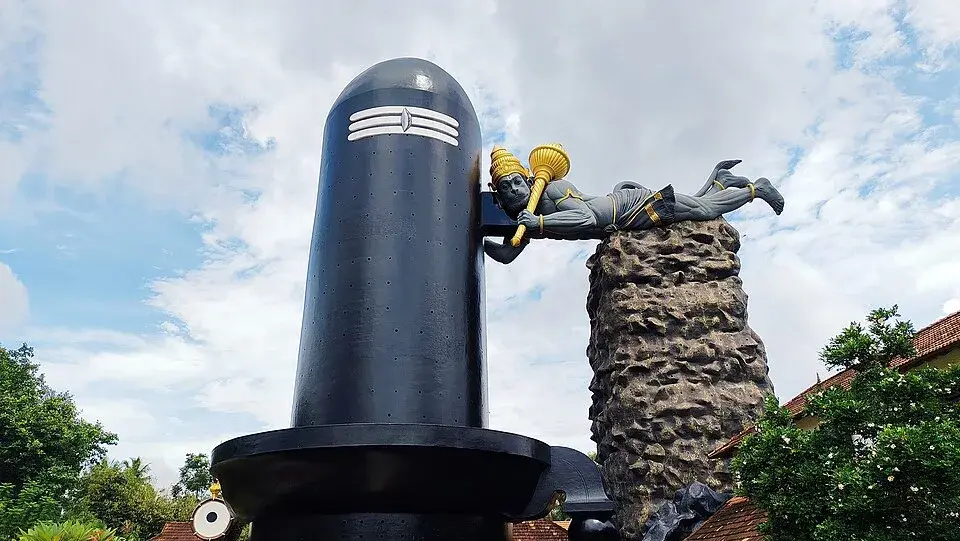 Photo: Shajinss · CC BY-SA 3.0