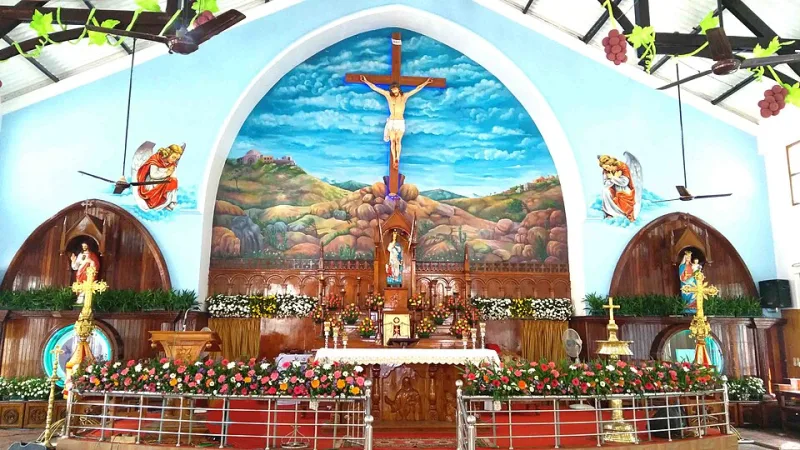
The cathedral of the Latin Catholic Diocese of Neyyattinkara, seat of its bishop since the diocese was erected in 1996.
At a glance
What: A Roman Catholic cathedral of the Latin rite.
Where: Neyyattinkara, a taluk headquarters south of Thiruvananthapuram.
When: Open for worship through the year; its title feast is 8 December.
How: By bus or train to Neyyattinkara and a short local ride.
By whom: The Diocese of Neyyattinkara.
For whom: Catholics of the diocese, pilgrims and visitors interested in the church history of south Kerala.
What a cathedral is
A cathedral is the church that holds the cathedra, the chair of the bishop. It is the mother church of a diocese, whatever its size or age. Ordinations, the blessing of holy oils in Holy Week and other diocesan occasions are held there. The title therefore describes a role more than a style of building.
The diocese
The Diocese of Neyyattinkara was erected on 14 June 1996 by a papal bull known by its opening words, Ad Aptius Provehendum. Formal arrangements took effect later that year. The new diocese was carved from the Diocese of Trivandrum so that the large rural Catholic population of the south could have its own bishop.
Territory
The diocese covers the taluks of Neyyattinkara, Nedumangad and Kattakada, reaching from the southern border with Tamil Nadu into the foothills of the Western Ghats. Its parishes range from old town congregations to small hill stations among rubber plantations. This geography explains the variety of pilgrim places under its care.
The people
Most Catholics of the diocese belong to the Nadar community, whose members form a large part of the population of the southern taluks. Many families have Tamil as well as Malayalam in their background. Education, social uplift and parish schools have been important themes in the community's history.
The dedication
The Immaculate Conception refers to the Catholic belief that Mary was preserved from original sin from the first moment of her own existence. It is often confused with the conception of Jesus, which is a different matter. Pope Pius IX defined the doctrine in 1854. The feast is kept on 8 December.
Early Christianity in the area
Diocesan tradition connects Neyyattinkara and neighbouring villages with Francis Xavier in the sixteenth century. Later, Carmelite missionaries established the Neyyattinkara mission at the start of the twentieth century, with Father John Damascene remembered as its founding figure. Chapels founded in that period grew into many of today's parishes.
About the building
Published details about the cathedral's construction date, design and renovations are limited, and none are asserted here without a source. Visitors can look for the bishop's chair in the sanctuary, any coats of arms, foundation stones and dated tablets, which are the clearest records of how and when a cathedral took its present shape.
Worship
The cathedral serves as a parish church as well as the bishop's church. Sunday Masses, weekday services, sacraments and devotions to Mary make up the ordinary calendar. Languages and timings should be confirmed locally, since they may be adjusted during Lent, Christmas and diocesan events.
The December feast
The days leading to 8 December are a natural time for novenas, decorations and a procession, with Christmas preparations following close behind. The actual programme varies from year to year. Those wishing to attend a particular ceremony should contact the parish or the bishop's house beforehand.
Pilgrim centres of the diocese
The diocese names several major pilgrim destinations, including the Marian church at Vlathankara and the hill shrines of the Cross known as Kurisumala at Vellarada and Bonacaud. A visit to the cathedral can open a circuit that moves from the town to the river villages and then to the hills.
Neyyattinkara town
The town stands on the bank of the Neyyar river, and its name is usually read as the bank of the Neyyar. It was an important centre of the old Travancore state and is still a busy market and administrative place. Its handloom weaving, particularly at Balaramapuram to the north, is well known.
A famous legend nearby
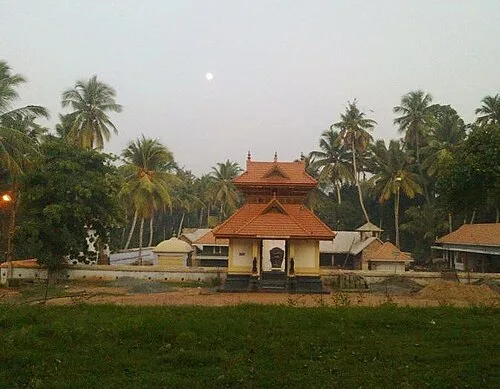
The town's Sree Krishna temple preserves the story of the Ammachi Plavu, a hollow jackfruit tree in which the young Marthanda Varma is said to have hidden from his enemies. The tale is a much loved part of Travancore tradition. It belongs to the temple, but it colours the whole town's sense of history.
Social reform
A short journey east lies Aruvippuram, where Sree Narayana Guru consecrated a Shiva image in 1888, an act that challenged caste restrictions on who might perform such a rite. The region's religious history is thus also a history of people claiming dignity, access to education and a place in public life.
Visiting with respect
Choose clothing that covers shoulders and knees. Remove footwear if that is the custom at the entrance, switch phones to silent and sit toward the back during a service you are only observing. Non-Catholics are welcome to attend but do not receive Communion. Offerings are voluntary.
Getting there
Neyyattinkara has a railway station on the line from Thiruvananthapuram to Nagercoil and frequent buses along the national highway. The capital's airport is within an hour in ordinary traffic. Autorickshaws are available at the station and bus stand. Allow extra time on market days and during temple or church festivals.
Nearby places
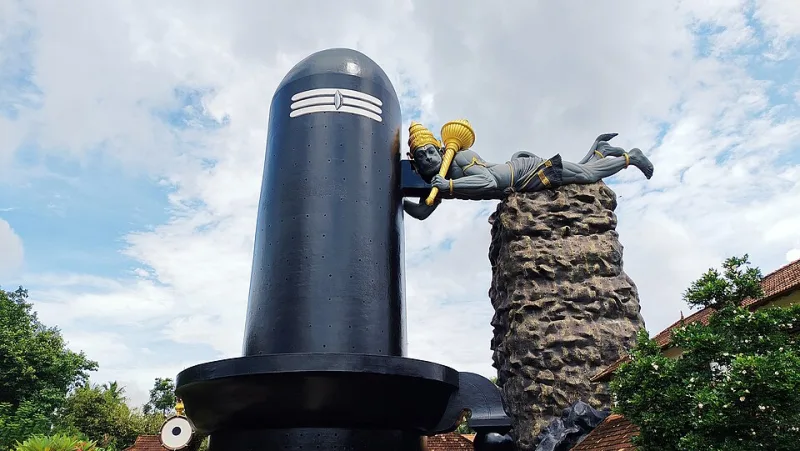
Besides the temple and Aruvippuram, the large Shivalinga temple at Chenkal, the beaches of Poovar and the Neyyar Dam area are practical additions. Travellers heading to Kanniyakumari or Padmanabhapuram Palace can stop at Neyyattinkara on the way.
When to come
December joins the cathedral feast to cool, mostly dry weather. The southwest monsoon from June brings heavy showers, and April and May are hot. Weekday mornings are quietest. On Sundays, arrive before a service or after it ends if you wish to look around.
Facilities
As a town centre, Neyyattinkara offers eating places, banks, shops, hospitals and modest lodging. Wider hotel choice is in Thiruvananthapuram and along the coast. There is no admission charge.
Help complete this page
If you know the dates of the building, have access to parish records or can share photographs, use the suggestion and photo links here. Additions are reviewed before they appear.
A short walk through history
Allow time to see the town around the cathedral. The river, the market, the temple precinct and old school buildings show how administration, trade and faith grew side by side. Neyyattinkara was a headquarters long before it received a cathedral, which helps explain why it was chosen as the seat of the new diocese.