A Forest Department centre for mugger crocodiles near Neyyar Dam, begun as a crocodile farm in 1977 and once named for Steve Irwin.
At a glance
What: A centre for breeding, rearing and caring for crocodiles.
Where: Within the Neyyar Wildlife Sanctuary area beside Neyyar Dam.
When: Check current days and hours before travelling.
How: By road to Neyyar Dam through Kattakada.
By whom: The Kerala Forest Department.
For whom: Families, students and anyone curious about reptile conservation.
The centre
The facility lets visitors see mugger crocodiles at close quarters from behind barriers, in the green surroundings of the Neyyar reservoir. It is a modest establishment, more a conservation station than a zoo. Its value lies in showing an animal that many people fear but few have observed calmly.
How it began
A crocodile farm was started at the site in 1977 and held about forty-four muggers. The number has changed over the years as young crocodiles were reared and released into the Neyyar river and reservoir. That period coincided with a national effort to rescue India's three crocodilian species from steep decline.
The mugger
The mugger, or marsh crocodile, lives in lakes, reservoirs, marshes and slow rivers across the Indian subcontinent. It has a broad snout and can grow longer than three metres. Muggers dig burrows to escape heat and drought, and females guard their nests and hatchlings with notable care. The species is protected under Indian wildlife law.
Why they were threatened
In the twentieth century hunting for skins, loss of wetlands, dam building and accidental netting reduced crocodile numbers badly. Captive rearing of eggs and young, followed by release, was one of the answers. As numbers recover in some waters, managing contact between crocodiles and people becomes the next challenge.
Other reptiles
The centre has also served as a temporary refuge for snakes and other reptiles found straying into tribal settlements nearby. Animals such as the Indian python have been held briefly and then returned to the forest. What is on view therefore depends on the season and on recent rescues.
The Steve Irwin name
In May 2007 the park was formally opened by the state Forest Minister, Benoy Viswam, and named in honour of Steve Irwin, the Australian wildlife broadcaster who had died in 2006. A plaque bearing his likeness was set up at the gate. It was described as a pioneering memorial to him.
Why the name went
In 2009 representatives of Irwin's estate sent a legal notice asking the park to stop using his name and image without consent. The name and picture were removed. Some travel material still uses the old title, which can confuse visitors, but the place is properly known as a crocodile rehabilitation and research centre.
Conflict with people
In 2001 attacks by muggers were reported on tribal residents near the reservoir. A study by the Kerala Forest Research Institute treated them as isolated events arising from the abnormal behaviour of a few animals. An adult male blamed for a woman's death was trapped near the dam. These events are a reminder that the reservoir is crocodile country.
Safety
Do not wade, swim or wash at unmarked points around the reservoir, whatever others may be doing. Stay on paths, supervise children closely and never lean over enclosure walls. Throwing stones or food to make an animal move is cruel, unlawful and dangerous. Follow every instruction of forest staff.
Watching crocodiles
Crocodiles are cold-blooded and often lie motionless for long periods, sometimes with jaws open to shed heat. Patience pays. Watch for eyes and nostrils just above the water and for the powerful tail when one turns. Cooler mornings may find them basking in the open.
The sanctuary
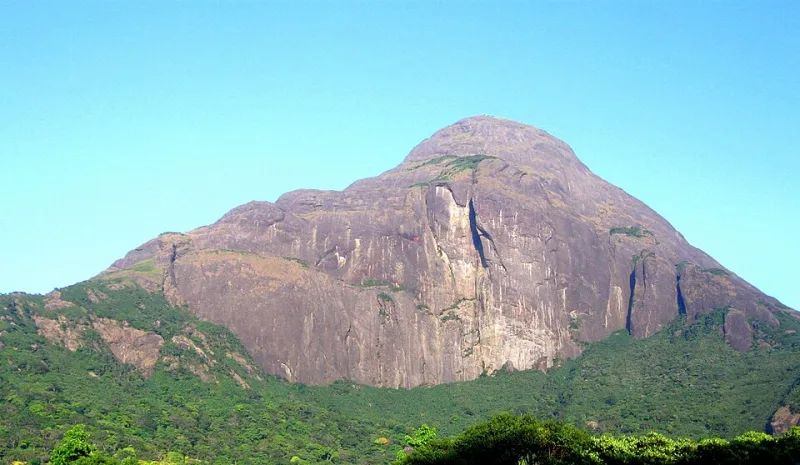
Neyyar Wildlife Sanctuary, notified in 1958, covers forested catchment on the western side of the Western Ghats, adjoining the Agasthyamalai range. Elephants, gaur, deer, monkeys and many birds live in the wider forest. Most visitors see only its fringe around the dam, and entry to deeper areas requires permission.
Neyyar Dam
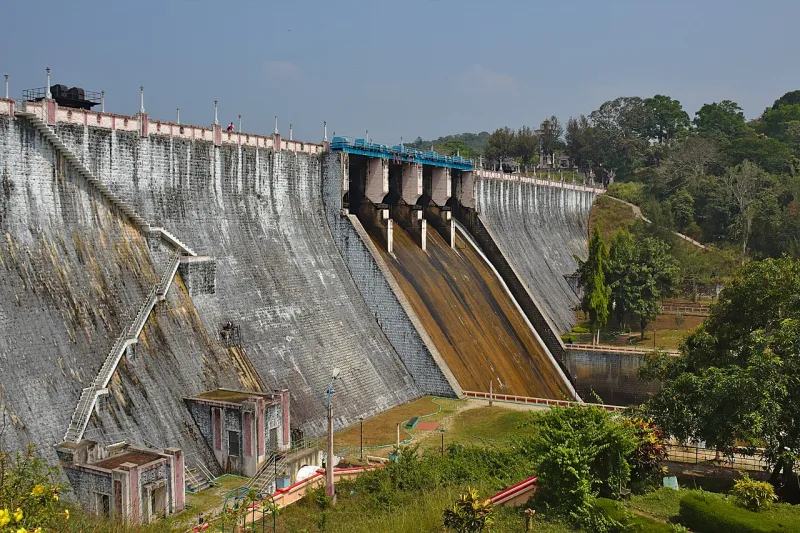
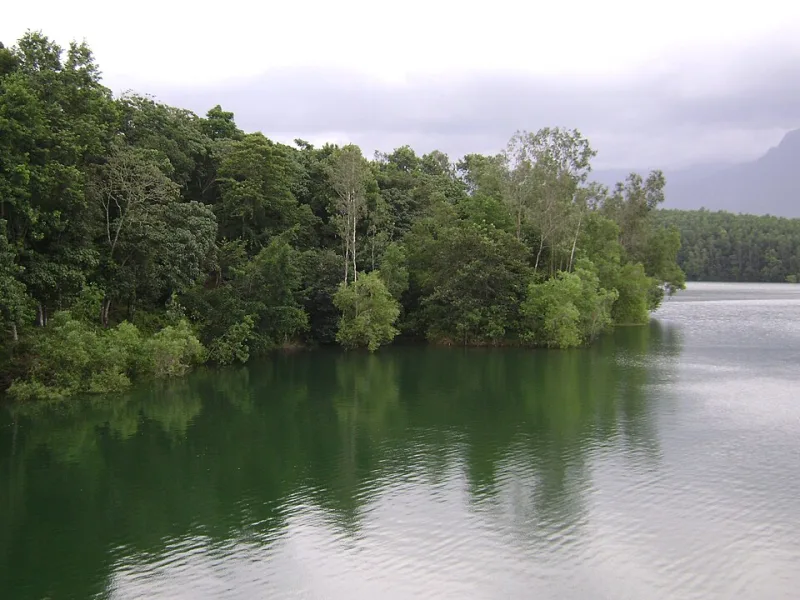
The dam across the Neyyar river was built for irrigation and has become a well known outing from the capital, with its gardens, viewpoints and water. Attractions at the reservoir, including boating and safaris, open and close according to water level, weather, repairs and official decisions, so check them individually.
Getting there
Buses run from Thiruvananthapuram to Neyyar Dam, largely by way of Kattakada. The journey by road is about thirty kilometres. The nearest main railway station and airport are in the capital, while Neyyattinkara station is another option. Taxis allow you to combine several stops.
What to carry
Take drinking water, a hat and an umbrella in wet months. Wear shoes with grip. Binoculars help with reservoir birds. Carry small notes for tickets, and avoid bringing disposable plastic into the forest area. Pets should be left at home.
Nearby places
The Sivananda Yoga Vedanta Dhanwantari Ashram near the dam is internationally known. Kappukadu elephant rehabilitation centre at Kottoor and the lion safari area at Maraikkunnam island have drawn visitors, subject to their current status. Aruvikkara Dam can be added on the return.
When to come
October to February brings comfortable weather and good water in the reservoir. Heavy rain in June and July may interrupt activities. Summer afternoons are hot and animals less active. Come in the morning and avoid holiday crowds if you want a quiet view.
Facilities
Eating stalls and basic amenities are found around the dam, with limited lodging nearby and more in the city. Entry arrangements and fees, if any, should be confirmed at the forest counter on arrival.
Learning together
Children understand conservation better when they can compare what they see. Ask them to notice how a crocodile's eyes, ears and nostrils sit along the top of its head, how it rests without moving, and how thick its armoured skin is. Explain that fear should lead to sensible distance, not to cruelty.
Telling species apart
India has three crocodilians. The mugger has a broad snout; the saltwater crocodile of coasts and island creeks grows larger; and the gharial of northern rivers has a long, very slender snout suited to catching fish. Only the mugger is the animal of this reservoir. Reptile conservation programmes of the 1970s gave attention to all three.
If it is closed
Should you find the gate shut, do not look for a side way in. Enjoy the dam viewpoint from permitted ground, ask staff when reopening is expected, and let this site know through the suggestion link so that the listing can be updated.