A Chamundi temple at Poovachal with a three-day Makam Thozhal festival in Meenam and full-moon worship for prosperity.
At a glance
What: A temple of the goddess Chamundi.
Where: Poovachal in Kattakada taluk.
When: Daily worship; Makam Thozhal in Meenam, March to April.
How: By bus to Kattakada and onward by road.
By whom: Temple management; confirm on site.
For whom: Devotees and families from the eastern villages and visitors to the district's interior.
The temple
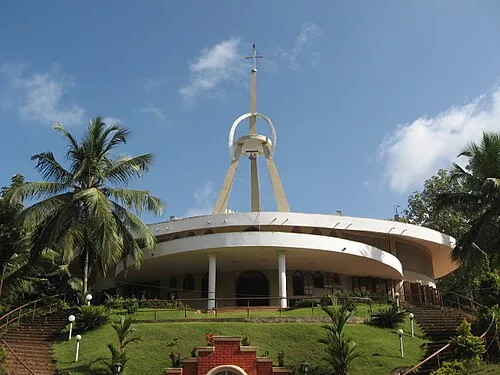
Padiyanoor temple is described as an ancient shrine of Sree Chamundi Devi at Poovachal. The goddess, held to be a fierce form of Kali, is the principal deity. Her worshippers come from the surrounding farming country and from families who have moved to the city but return for the festival.
The principal deity
Chamundi takes her name from the demons Chanda and Munda, whom the goddess slew in the account given in the Devi Mahatmya. She represents the fury that arises to protect when ordinary strength fails. In temple practice she is approached as a mother, and her fierceness is understood as turned against harm.
Yakshiamma
Yakshiamma has a shrine here. Yakshis appear in Kerala folklore as alluring and dangerous spirits of palm trees and lonely paths, but when honoured with a place of worship they become protective mothers. Women pray to her for children and household welfare.
Other shrines
Ganapati, Thampuran, Yogeshwara, the serpent deities and Brahmarakshas also have shrines. Together they form the typical company of a village goddess temple in this district: a remover of obstacles, a lordly guardian, an ascetic teacher, the keepers of fertility and a pacified scholar spirit.
Yogeshwara
Yogeshwara, lord of yoga, often marks the memory of an ascetic who meditated at the spot or guided the founding family. Worship is simple, with a lamp and flowers. His shrine reminds visitors that discipline and contemplation have a place beside festival noise.
Makam Thozhal
The main festival is Makam Thozhal, a three-day annual celebration in Meenam. Thozhal means salutation with folded hands, and Makam is the star. Having darshan on that day is considered specially auspicious. Expect longer queues, decorations, music and offerings.
Karthika lamps
The Karthika star, above all in the month of Vrischikam, is kept with deepam, rows of lamps. Homes in the neighbourhood light them as well. The evening sight of small flames against dark rubber groves and compound walls is one of the pleasures of the season.
Mandala season
The forty-one days from mid-November are observed in connection with the Sabarimala pilgrimage. Evening songs and special lamps are usual. Pilgrims in vow dress call one another Swami and may start their journey from a local shrine.
Navaratri
Pooja Vaypu, the counterpart of the Dussehra season, brings books and implements to the goddess. On Vijayadasami, work and study resume with her blessing and young children are led through their first letters. Temples are busy from early morning.
Serpent worship
Ayilya Puja on the Ayilyam star offers milk, flowers and special rites to the serpent deities. Many families come on their monthly day, and the annual Ayilyam in Kanni or Thulam is particularly popular across Kerala. Keep clear of the grove outside the permitted area.
Full-moon worship
On every pournami, full moon, an Aishwarya Puja is held for prosperity. Women sit with lamps and recite the names of the goddess together. Ask in advance whether a seat must be booked and what to bring.
Vishukkani
On the first day of Medam, the Malayalam New Year called Vishu, people come for the kani darshan. The first sight of the year is arranged with golden konna blossoms, fruit, grain, a mirror, coins and a lamp before the deity, in hope of a year of plenty.
The golden shower
The konna, or Indian laburnum, is the state flower of Kerala and flowers in long yellow chains around April. Its blossom is essential to the Vishu arrangement. A drive through the countryside in that season shows it hanging beside roads and compounds.
Offerings
Red garlands, lamps, kumkumam, payasam, archana and vows of various kinds are usual. Fees are listed at the counter. Keep receipts, and collect prasadam as directed.
Poovachal
Poovachal is a village near Kattakada, set in undulating land of rubber, coconut, pepper and banana. Streams drain toward the Karamana. The Poovachal name is familiar to many Malayalis through Poovachal Khader, a popular writer of film songs from the locality.
The route
Travellers coming by way of Kattakada should go to Poovachal Mulammoodu junction and take the right turn by way of Kurakonam to the temple. Village signboards may be small, so confirm with a local person at the junction.
What is not known
The description of great antiquity is not accompanied by a founding date or inscription. Details of architecture and management are also lacking in the sources used here. Corrections and additions with references are welcome.
Visiting with respect
Remove footwear, dress modestly, avoid photography inside and keep silence during recitations. Do not light lamps except in the places provided.
Getting there
Poovachal is about thirty kilometres from the capital. The nearest bus station is at Kattakada, with frequent services from East Fort and Thampanoor. Thiruvananthapuram Central station and the airport are the main gateways.
When to come
The cool months are best for the drive. Festival time in Meenam is warm and lively. During monsoon, allow extra time on narrow roads.
Nearby places
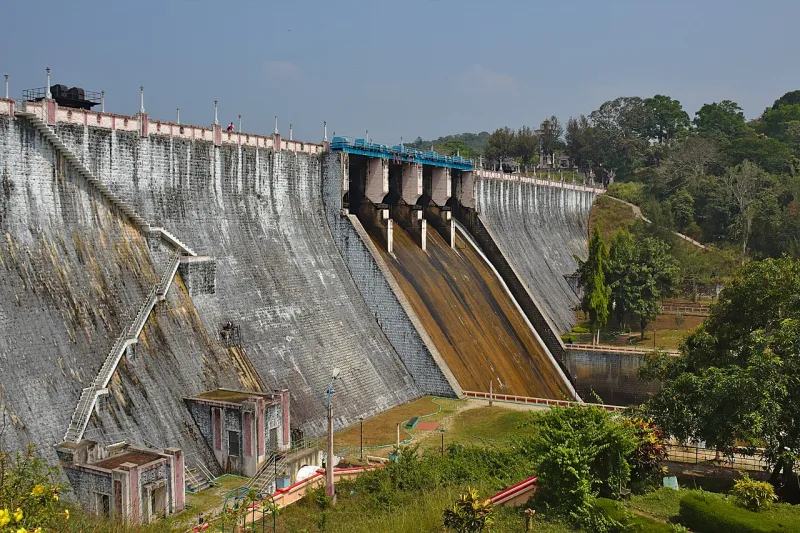
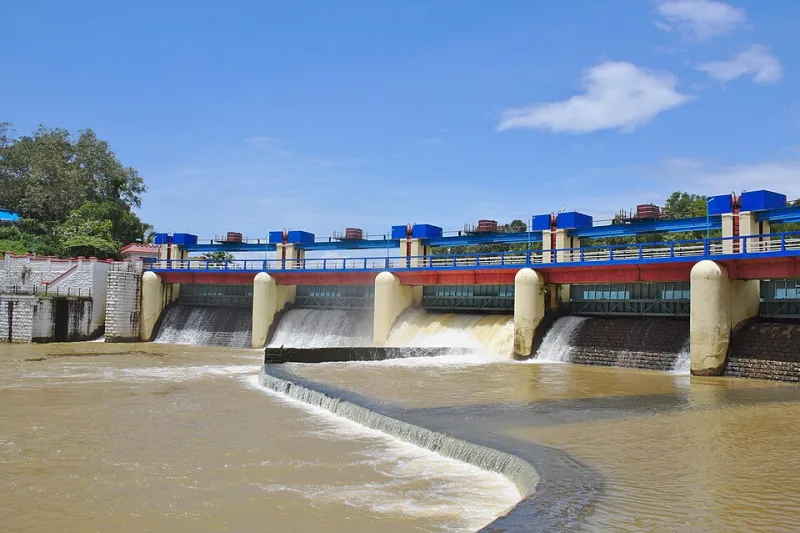
Neyyar Dam, the Kottoor elephant centre subject to its opening, Aruvikkara temple and dam and Kootayanimoodu temple are within reach.
Facilities
Village shops and tea stalls are close; Kattakada offers meals, banks and clinics. There is no entry fee.
Evenings in the hill foot country
Late afternoon light falls softly on the rubber slopes around Poovachal, and the temple lamps are lit as the tappers and farmers finish their day. Visitors who can stay for the evening worship see the community at ease. Plan the return before the last convenient bus, and drive carefully, since village roads are narrow, winding and shared with walkers.
Hospitality
At festivals, households and committees often offer food and drinking water to visitors. Accept graciously if you can, dispose of leaves and cups properly and leave a small gift at the temple counter if you wish to return the kindness.
Keeping records
A note of the dates of the Makam observance, the names of the shrines as the priest gives them and any story of the founding would be a real help to this listing.
Combining the day
Pair the visit with Kattakada's markets or the reservoir road toward Neyyar, leaving the temple for either the morning or the evening opening.