A Forest Department centre at the forest edge that shelters and cares for rescued and former captive elephants.
At a glance
What: A rehabilitation centre for elephants run by the Forest Department.
Where: Kappukadu near Kottur, beside the waters and forests of the Neyyar sanctuary.
When: Started in 2006; a major expansion was announced in 2019 and its first phase opened in February 2021.
How: Travel by road through Kattakada.
By whom: Kerala Forest Department.
For whom: Families, students and visitors who care about animal welfare.
About the centre
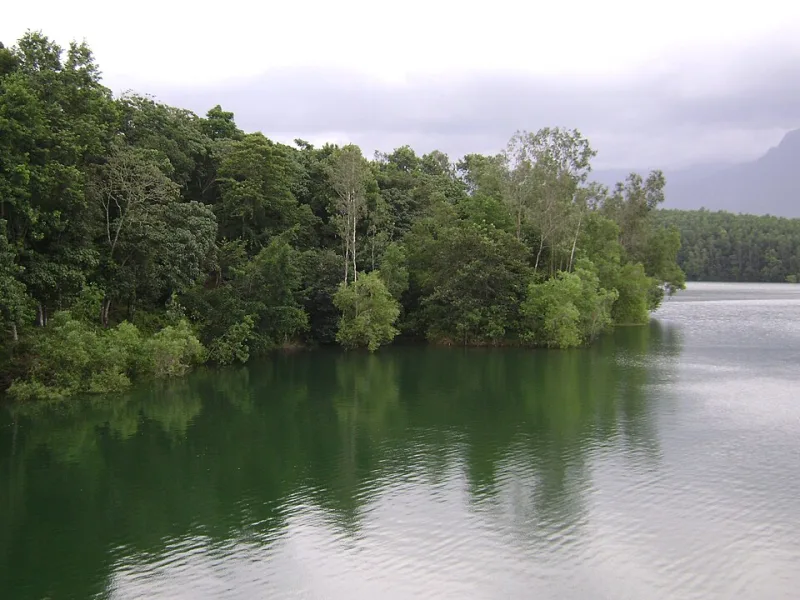
At the edge of the forest, where reservoir water reaches into the trees, elephants that cannot fend for themselves are given care. Some are calves separated from their herds or found injured; others are animals that have lived in human custody. Their keepers, the mahouts, spend long hours bathing, feeding and watching them. For visitors, Kottur offers a chance to see these animals in a setting far more natural than a street procession.
History
In 2006 the Forest Department decided to establish an elephant park at Kottur, and in 2007 it was developed as a rehabilitation centre in the reservoir fringed area of the Neyyar Wildlife Sanctuary. Its objectives included rehabilitating captive and wild elephants in suitable surroundings, giving special protection to the old and the young, supporting research and creating a place for responsible tourism. It is described as the first elephant rehabilitation centre of its kind in India.
In 2019 the government announced a project to raise it to international standards, with an estimated outlay of about 105 crore rupees across some 176 hectares of forest. Plans provided for up to 50 elephants, with accommodation for mahouts, large enclosures and water sources. The first phase was inaugurated by the Chief Minister in February 2021. The number of resident elephants was reported as 16 at that stage; it changes with births, rescues, deaths and transfers.
The life of an elephant
The Asian elephant is a forest animal that walks long distances and eats grass, bamboo, bark, leaves and fruit for much of the day, drinking and bathing generously. Herds are led by experienced females, and calves are raised with help from aunts and older sisters. Adult males tend to live apart. A young elephant without its family therefore needs not only milk but company and teaching. Rescued calves require feeding day and night and are vulnerable to disease. This is why such centres are demanding to run.
Elephants in Kerala's imagination
Few animals are loved as much in the state. The elephant is the official state animal, appears on the government emblem and walks in temple festivals under ornamental caparisons. Ganapati, with an elephant's head, is invoked before every new venture. The old anthology of Kerala legends, Aithihyamala, includes affectionate tales of famous temple elephants with distinct personalities. Alongside that affection runs a serious debate. Welfare advocates point to long hours, hard ground, heat, noise, chains and cruel handling suffered by some captive elephants, while festival organisers speak of tradition and care. Rules exist, and their enforcement is a continuing public question.
Claims and facts
Advertisements by private operators may offer rides, bathing sessions and photographs touching trunks. Do not assume that any such activity is part of the government centre, and think carefully before choosing close contact anywhere: it can stress the animal and endanger people. An elephant that seems calm remains immensely powerful. Claims that all residents are orphans are also oversimplified, since animals arrive for different reasons.
The work of a mahout
A good mahout learns an elephant over years. He notices a change in appetite, a swelling on a foot, a restless trunk or an unusual quietness. Bathing is more than a spectacle: scrubbing the skin removes parasites and allows close inspection. Feet need particular care because an animal weighing several tonnes depends entirely on them. Food must be abundant and varied, and a veterinary doctor's attention is essential. Adult males pass through periods called musth, when hormones make them unpredictable, and they must then be handled with great caution. The skill has often been passed down in families, though today formal training in humane methods is increasingly valued.
Why conflicts happen
Across Kerala's hill margins, wild elephants sometimes enter farms in search of food and water, damaging crops and occasionally causing deaths. Shrinking and broken habitat, tempting crops near forest edges and dry summers all play a part. Fences, trenches, early warning systems and restoration of forest water sources are among the responses. A centre that cares for injured or orphaned calves deals with one consequence of a much larger problem, and visitors who understand this leave with more than photographs. Talking with children about why the animals are here, and what would help wild herds stay wild, turns the outing into a lesson that lasts.
Before you leave
Spend a moment watching an elephant do nothing in particular: dusting itself, leaning against a companion or exploring the ground with its trunk. Such unhurried behaviour is what good care aims to protect.
Visiting
Confirm opening hours, weekly closures, tickets and what activities are currently offered with the Forest Department before travelling. Morning visits are usually preferable, being cooler and closer to feeding and bathing routines, though schedules vary. Keep to marked areas, stay quiet, never use flash near the animals and do not approach calves. Offer food only if staff run an authorised arrangement. Wear sensible footwear, carry water and bring waste back. Anyone with a cold or fever should keep away from young animals.
Two hours is generally enough.
Questions visitors ask
Is it a zoo? Its purpose is care and rehabilitation in a forest setting, not display of many species. Will we certainly see bathing? Not necessarily. Is it safe for children? Yes when rules are followed and children are held close.
How to be a good guest
Ask the mahouts, when they are free, what an elephant eats in a day and how they recognise illness. Respect their answer time and their work. Support legitimate conservation by paying official charges, reducing plastic and refusing products made from ivory, whose trade is illegal and has driven poaching of tuskers.
Nearby
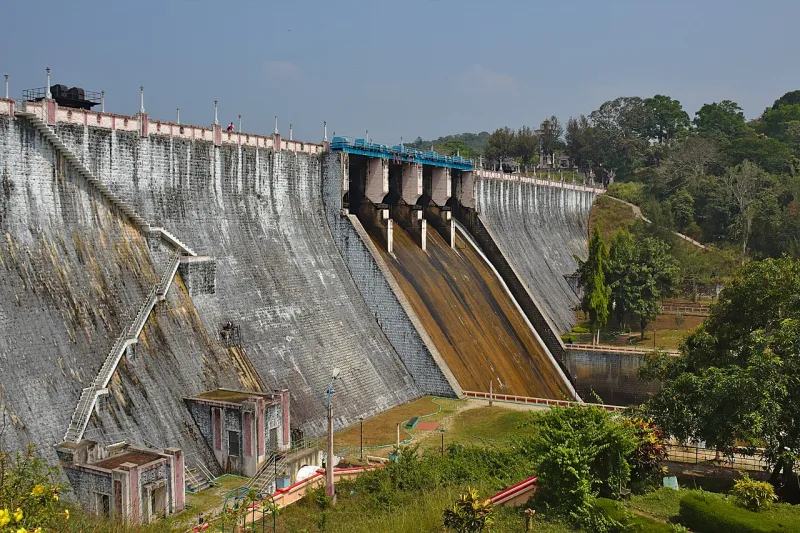
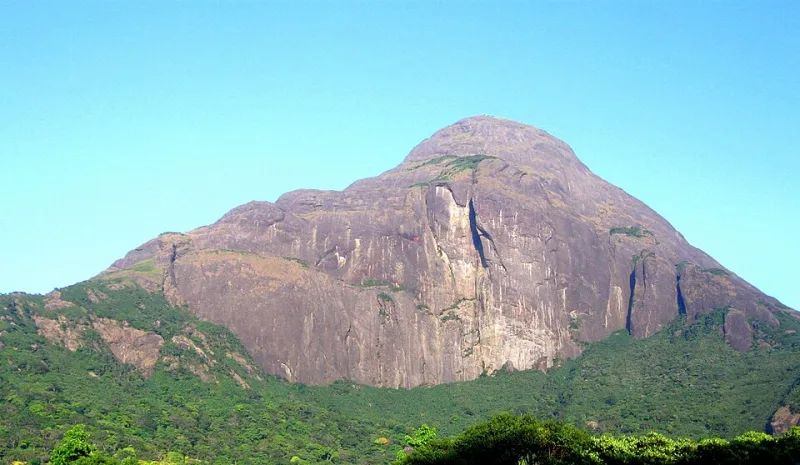
The Neyyar dam, with its lake and forest information centres, the foothills towards Agasthyarkoodam and the roads to Neyyattinkara lie in the same region and can be linked on a full day, subject to forest opening rules.