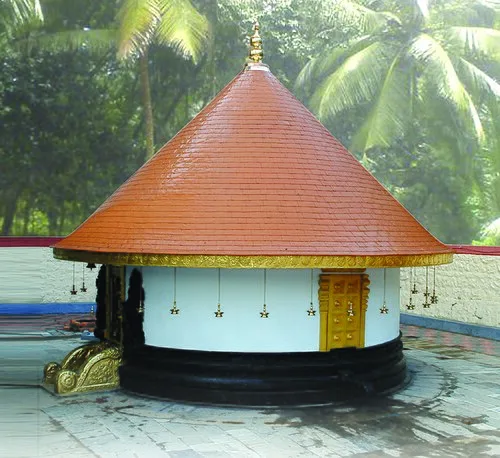
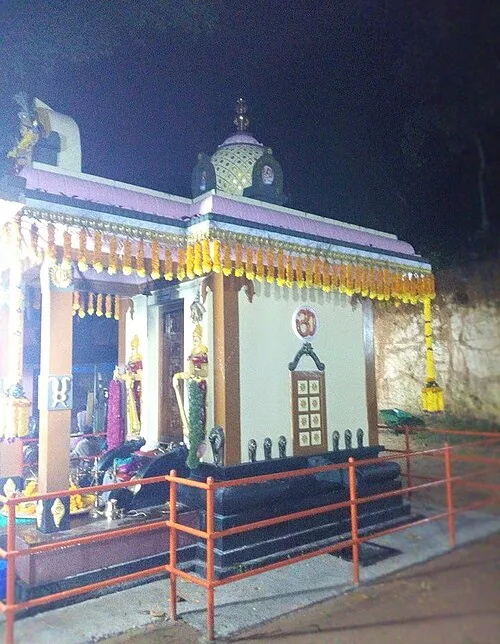
A village temple of Chamundeswari at Kootayanimoodu, dated to the eighteenth century, with Ramayana month observances and a women's Pongala in Medam.
At a glance
What: A temple of the goddess Chamundeswari.
Where: Kootayanimoodu, Vellanad, in Kattakada taluk.
When: Daily worship; Pongala on 10 Medam, usually late April.
How: By road through Peyad or Aruvikkara toward Vellanad.
By whom: Temple management; confirm on site.
For whom: Devotees, women offering Pongala and visitors to the inland villages.
The temple
Chamundeswari temple at Kootayanimoodu is described as one of the oldest in its locality, dating to the eighteenth century. It serves the farming and trading households of the Vellanad area. The deity is a form of Durga, the great Shakti, fierce toward wrong and tender toward those who seek refuge.
The eighteenth century
If the date is right, the shrine arose in the age when Marthanda Varma and Dharma Raja were shaping Travancore, and when the hill margins were slowly being settled and farmed. No inscription is quoted, so the period should be taken as the temple's tradition.
How Chamundi got her name
In the Devi Mahatmya, the goddess Durga, facing the demons Chanda and Munda, brings forth from herself a dark and terrible goddess. She slays them and returns with their heads. Pleased, Durga declares that she shall be known as Chamunda, from the two names joined.
The meaning of the image
Chamunda is often shown gaunt, garlanded and haunting places of death, a reminder that the divine is present even where people fear to look. Devotees do not see cruelty in her but the power that destroys cruelty. Her worship asks for courage and freedom from fear.
One of the mothers
Chamundi is counted among the seven Matrikas, the mother goddesses who arose to aid in battle, and among the circles of yoginis attending the goddess. She is closely linked with Kali and sometimes identified with Parvati. Southern India honours her widely, most famously on the Chamundi hill at Mysuru.
Older practices
Ancient texts and folk custom associated fierce goddesses with blood offerings. Kerala's temples today substitute vegetable and symbolic gifts, such as red flowers, gourds or a red mixture of turmeric and lime called guruthi. Animal sacrifice in temples is prohibited by state law.
Pongala
The ritual offering of porridge made of rice, dark jaggery, grated coconut, nuts and raisins is made here on the tenth of Medam. Only women take part in cooking it. Held in the hot weeks after Vishu, it calls for water, shade and care around the fires.
Ramayana month
Through Karkidakam, the last month of the Malayalam year, the temple keeps a thirty-one-day observance of the Ramayana. Ezhuthachan's Malayalam verses are read aloud each day. The season of heavy rain, once lean and unhealthy, became a time of study, restraint and special food.
Karkidaka food
Households in this month prepare medicinal rice gruel with herbs, a practice rooted in Ayurveda. Temples sometimes distribute it. Those with health conditions or allergies should ask what goes into it, and pregnant women should seek advice before taking strong herbal preparations.
Pooja Vaypu
During Navaratri, at the same time as Dussehra elsewhere, books, instruments and tools are placed before the goddess. On Vijayadasami they are taken back, children are introduced to writing and learners begin again. It is a happy morning to visit.
Weekly worship
Tuesdays and Fridays are favoured days. Evening worship with lamps is attended by neighbours returning from work. Offer what the counter lists, and accept sandal paste and flowers with the right hand.
The village
Kootayanimoodu is a junction in Vellanad panchayat, among rubber, coconut and banana gardens on rolling ground. Moodu, a common element in local names, often marks a spot at the foot of a notable tree or a junction that grew around one.
Vellanad
Vellanad is known in the district for village industries and rural development work. The Karamana river and its feeder streams drain the area toward Aruvikkara. The drive from the capital shows how quickly city gives way to countryside.
Community
Temple committees organise cleaning, lamps, readings and the festival, drawing volunteers from many households. Visitors who wish to help can offer through the committee. Gifts of oil, rice or labour are as welcome as money.
Sources
The published account gives the dedication, period, place and main observances, together with general mythology. It does not describe the building or its attendant shrines, so these are left open here.
Visiting with respect
Wear traditional modest dress, remove footwear, keep silent during recitation and do not photograph the sanctum or women cooking without consent.
Getting there
Buses from Thiruvananthapuram run toward Vellanad through Peyad or Nedumangad. The distance is about twenty kilometres. The nearest main railway station and airport are in the capital. Autorickshaws are available at village junctions.
When to come
November to February is comfortable. Karkidakam, in July and August, offers daily readings amid rain. For Pongala, arrive early in April.
Nearby places
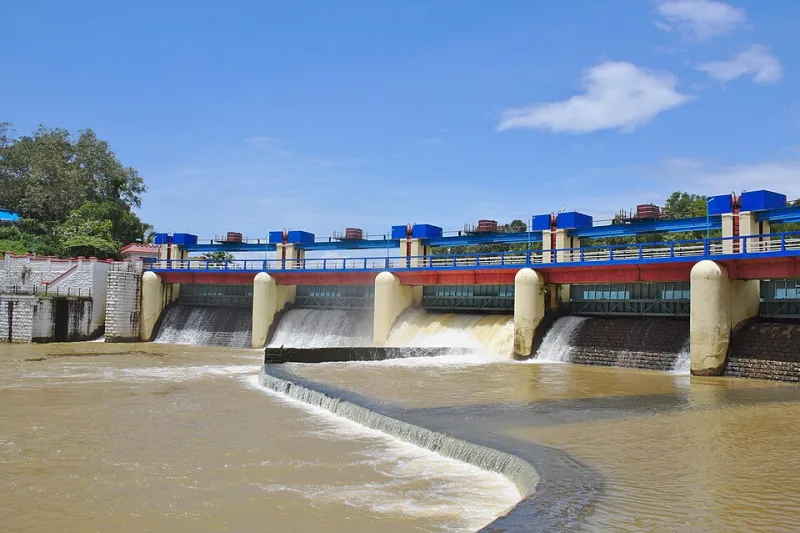
Aruvikkara temple and dam, Padiyanoor Devi temple at Poovachal, Kattakada town and Neyyar Dam are within reach.
Facilities
Village shops are close; Kattakada and Nedumangad have fuller services. There is no entry fee.
Help complete this page
Share festival details, darshan hours and photographs through the links on this page.
Reading together
Visitors during Karkidakam may find a few listeners gathered around a reader with a lamp, a stool and a well worn book. Sit at the back and follow the rhythm even if the words are unfamiliar. The Adhyatma Ramayanam in Malayalam is composed as the song of a parrot, and its musical lines are easy to enjoy. Do not interrupt or record without leave.
Arriving by village road
The last stretch passes homes, small shops and rubber plots where tapping begins before sunrise. Drive slowly, give way on narrow bends and ask at a junction if the temple is not signposted. Shopkeepers usually know the festival dates and the priest's hours, and are often pleased to be asked.
After the visit
Combine the temple with a stop at the river at Aruvikkara, allowing time for both without hurry, and return before dusk if you depend on buses.
Keeping informed
Festival and reading times are announced locally, often on boards at the temple gate and at nearby junctions. Check them before a special journey, and note that heavy rain in July can affect rural buses. If you learn of new arrangements, please report them through the suggestion link.
A gentle visit
Bring a small offering if you wish, speak quietly, and give the priest time. Village temples reward patience more than haste, and the welcome is often warm when a visitor shows interest in how things are done here.