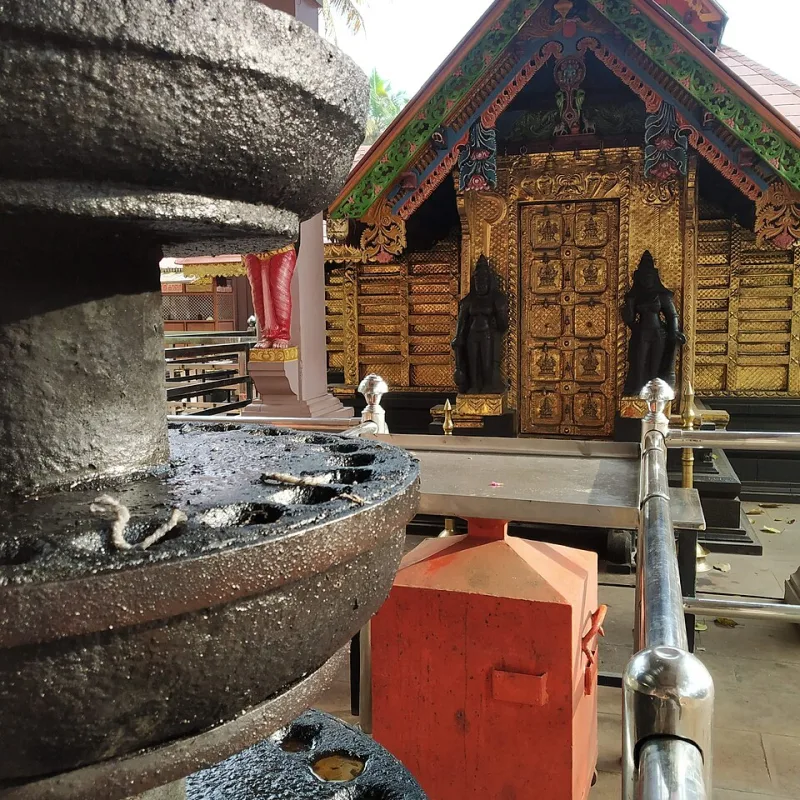
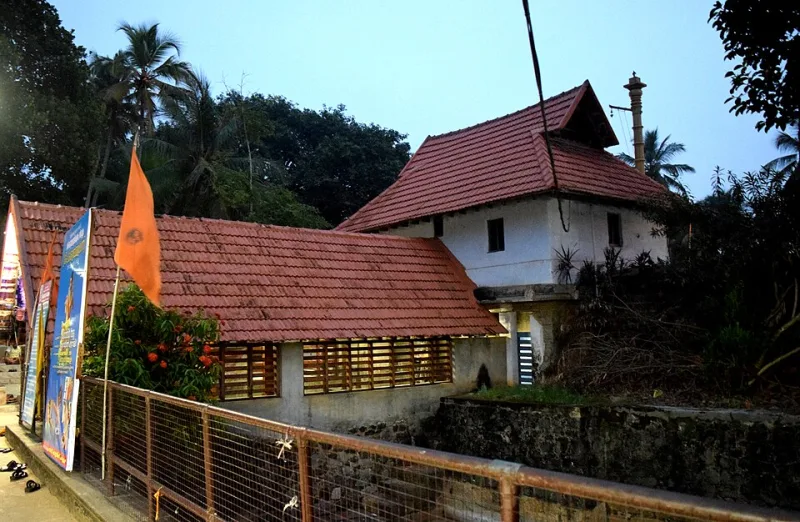
A Travancore Devaswom temple at Keleswaram where, unusually, the Shivalinga faces west.
At a glance
What: A temple of Lord Shiva with a west-facing linga.
Where: Keleswaram, a village on the southern side of Thiruvananthapuram.
When: Published darshan hours are 5.20 to 10.00 in the morning and 5.00 to 8.00 in the evening.
How: By road through the Kalliyoor and Nemom side of the district.
By whom: The Travancore Devaswom Board.
For whom: Devotees of Shiva and travellers who enjoy quiet village temples.
The temple
Keleswaram Mahadeva temple is a village shrine that shares its name with the place around it. The word ends in ishwaram, the usual way of naming an abode of Shiva in the south. It is not a large tourist monument. Its appeal lies in regular worship, familiar faces and one feature that devotees point out to every newcomer.
Facing west
The Shivalinga here faces west, which is described as a rare sight. Most Kerala temples open toward the east, so that the worshipper approaches with the rising sun behind. A west-facing shrine reverses that order, and the setting sun may light the doorway. Devotees in many places regard such Shiva images as having a particularly vigorous or protective nature.
What the linga means
The linga is Shiva's emblem, a rounded pillar set on a base through which offered water drains. Worshippers understand it as a sign of the formless divine that nevertheless gives people something to approach. The base is associated with the goddess, so that the whole expresses the union of consciousness and power. Respect it as the living centre of worship.
Attendant deities
The temple houses Vishnu, Durga, Ganesha, Nagaraja, Murugan and Ayyappa as subsidiary deities. Their presence means that the principal observances of the wider calendar can all be kept here: Ganesha's day, Navaratri for the goddess, serpent offerings on Ayilyam, Skanda Shashti for Murugan and the forty-one-day season of Ayyappa. A single compound thus serves the whole year of a village family.
The Devaswom Board
The Travancore Devaswom Board manages the temple. The Board grew out of the arrangement by which the princely government took charge of many temple properties in the early nineteenth century, and it was formally constituted around the time of Independence. It sets the schedule of offerings, employs priests and staff, and maintains accounts, so payments should be made against receipts.
Maha Shivaratri
Shivaratri, the great night of Shiva in February or March, draws the largest crowds of the year. Worshippers fast, bathe the deity in successive watches of the night, light lamps and repeat the five-syllable mantra. Many stay awake until dawn. The next morning, after worship, the fast is broken with simple food. Visitors may attend but should avoid occupying space near the sanctum.
Thiruvathira
The other day singled out here is Thiruvathira, the star associated with Shiva, observed with special devotion in the month of Dhanu. Women traditionally rise early, bathe, fast from rice and sing while performing a graceful circle dance. In Kerala homes it is a festival of married life and friendship as much as a temple occasion.
The five syllables
Devotees often murmur Namah Shivaya as they go round the shrine. The phrase, a salutation to Shiva, is among the best known mantras of Hinduism and is found in an ancient Vedic hymn to Rudra. It requires no ceremony and is shared by learned priests and unlettered villagers alike, which explains much of its hold on popular devotion.
A day at the temple
The morning begins with the opening of the sanctum and the removal of the previous day's flowers, a moment called nirmalyam. Bathing, adornment and food offerings follow before the doors close. In the evening the lamps are lit and the deity worshipped with their light. Knowing this rhythm helps a visitor choose a time: the first hour for stillness, dusk for atmosphere.
Offerings
Typical offerings include water abhishekam, milk, ghee, bilva garlands, oil lamps and payasam, along with archana in the devotee's name and birth star. Ganapati homam is a frequent request before beginning something new. Which of these are performed here, and on which days, is best learned from the counter, since village temples vary in what they can arrange.
The countryside
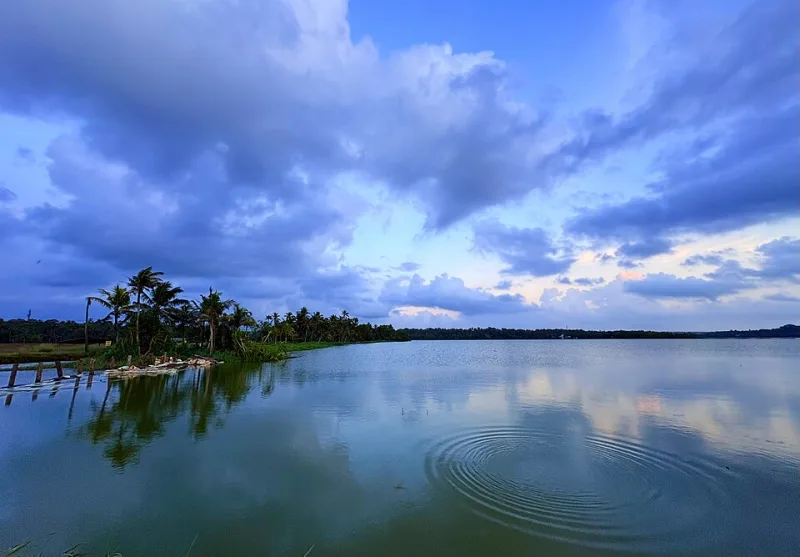
The Kalliyoor side of the district has long been known for farming, with paddy, vegetables, banana and coconut watered by streams and the great freshwater lake at Vellayani nearby. Though houses now spread across former fields, patches of green remain. The route to the temple therefore gives a glimpse of the agricultural belt that fed the capital for generations.
Belief and history
No dated inscription, founding legend or architectural survey of this temple was found in the sources consulted. That does not make it recent; many village shrines are old without written proof. It does mean that anyone quoting a precise age should be asked how they know it. Older residents may recall renovations, and such memories are worth recording with names and dates.
Visiting with respect
Wear a mundu, sari, skirt or churidar as custom suggests; men commonly remove shirts before entering the inner area. Leave footwear outside, keep phones silent and do not take photographs inside. Walk clockwise and turn back at the outlet of the sanctum water, as is usual in Shiva temples. Receive sandal paste and flowers with the right hand.
Getting there
Reach Nemom or Karamana on the national highway and continue by local road toward Kalliyoor; autorickshaw drivers there can guide you. Thiruvananthapuram Central station is the main railhead and Nemom has a small station. The city airport is within a moderate drive. Because the map point is approximate, ask for the temple by name on arrival.
When to come
Choose early morning or the evening opening, as the doors are closed through the middle of the day. November to February brings mild weather. During the monsoon the lanes may flood briefly after heavy rain. For a quiet visit avoid Shivaratri; for the fullest experience, come on that very night.
Nearby places
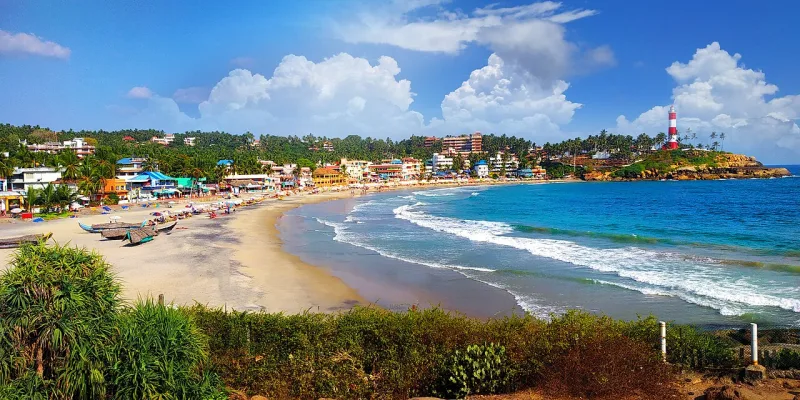
The Vellayani lake and its well known Devi temple, the Nemom Mahadeva temple, Thaliyadichapuram temple and the Karumam side of the city lie within a short distance. Kovalam's beaches are a reasonable drive to the south-west for the later part of the day.
Help complete this page
Local devotees are invited to add the exact position, festival programme, the story of the temple and photographs through the links on this page. Corrections are reviewed before they appear.
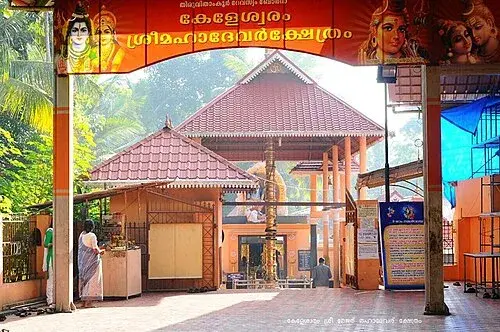 Photo: Rahul RS3 · CC BY-SA 4.0