A museum of Kerala's living wealth in a restored heritage building at the old Vallakkadavu boat jetty, with a Science on a Sphere display and a 3D theatre.
At a glance
What: A museum devoted to the biodiversity of Kerala.
Where: Vallakkadavu, in the south-western part of Thiruvananthapuram city.
When: Opening hours reported by different sources do not agree, so check before visiting.
How: By autorickshaw, taxi or city bus toward Vallakkadavu and the airport.
By whom: The Kerala State Biodiversity Board.
For whom: Students, families, teachers and nature lovers.
The museum
The museum sets out to show why the variety of life in Kerala matters and what threatens it. Instead of only rows of preserved specimens, it relies on models, panels and screen-based displays that explain habitats from the mountain forests to the coast. It suits a short, focused visit and rewards curious children.
The building
It occupies a heritage structure at the Vallakkadavu boat jetty, near the Karamana river. Giving an old building a public use of this kind preserves part of the city's transport history while housing a very modern subject. Look at the setting as well as the exhibits.
The water highway
Vallakkadavu means the boat landing. Before roads and railways dominated, goods and passengers reached the capital by backwaters and canals, including the Parvathi Puthanar, dug in the nineteenth century under Rani Gouri Parvathi Bayi to link waterways. The jetty belongs to that world of country boats and cargo.
Science on a Sphere
A highlight is Science on a Sphere, a display system developed by the United States agency NOAA in which projectors cast images onto a large suspended globe. Weather, oceans, continents and the spread of life can be shown moving across a round surface, which is far clearer than a flat map. Shows may run at set times.
The 3D theatre
A theatre with three-dimensional films adds another way into the subject. Programmes and their languages may change. Ask at the entrance when the next screening begins, so that you can arrange the rest of your visit around it, and check whether young children can manage the glasses comfortably.
What biodiversity means
Biodiversity covers the variety of genes, species and ecosystems. It includes the wild relatives of crops, soil organisms and fisheries as much as elephants and tigers. The museum's theme connects these to daily needs: food, medicine, clean water and a stable climate.
Kerala's wealth
Kerala lies largely between the Arabian Sea and the Western Ghats, one of the world's recognised hotspots of biological diversity. The state has evergreen forests, shola grasslands, rivers, wetlands, mangroves, backwaters and a long coast. Many frogs, fishes, plants and reptiles of these hills are found nowhere else on earth.
Species to remember
Well known symbols include the great hornbill, the state bird; the lion-tailed macaque of the rain forest; the Nilgiri tahr of the high grasslands; and the purple frog, which spends most of its life underground. Learning their habitats explains why protecting a forest patch or stream can matter so much.
The Biodiversity Board
State biodiversity boards were set up under the Biological Diversity Act of 2002. They advise government, regulate certain uses of biological resources and help local bodies prepare registers recording the plants, animals and traditional knowledge of each area. The museum is part of the effort to bring this work to the public.
For teachers
School groups can use the visit to start projects: mapping the trees of a campus, observing birds, or recording food plants grown at home. Prepare a few questions in advance. Booking ahead is sensible for large parties, both for space and for show timings.
Visiting well
Keep voices moderate in the theatre, do not touch fragile exhibits and ask before photographing displays or films. Bags may have to be left aside. Parking near a narrow riverside road can be limited, so smaller vehicles or public transport are convenient.
Timings and tickets
Published listings disagree about hours and closing days. Government museums often close on Mondays and public holidays, but do not rely on that pattern here. Telephone or check the official page for current opening times, charges and student rates before you set out.
Getting there
Vallakkadavu lies close to Thiruvananthapuram International Airport and a few kilometres south-west of East Fort and the central railway station. Autorickshaws are the simplest option. City buses run toward Vallakkadavu and Beemapally from East Fort.
Nearby places
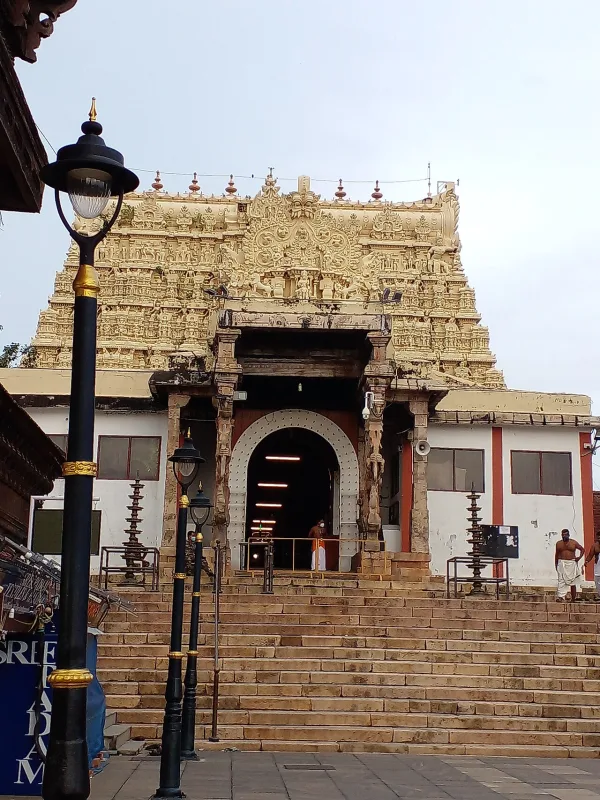
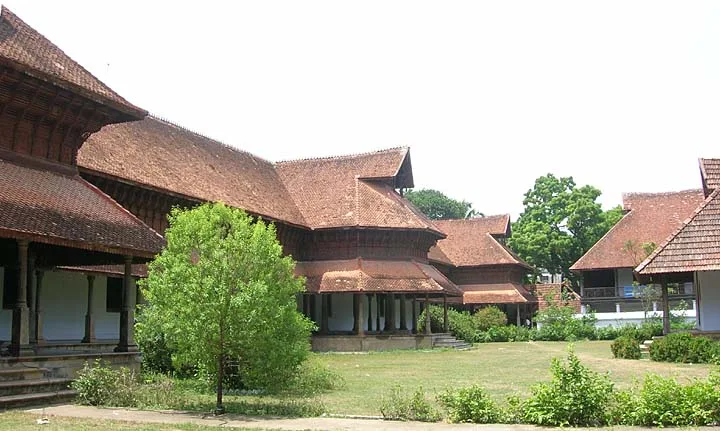
The Sree Padmanabhaswamy temple and Kuthiramalika palace museum at East Fort are a short ride away. Beemapally mosque, Shanghumukham beach and the Valiathura pier area lie on the coastal side. A morning of heritage and an afternoon by the sea fit easily together.
When to come
Being mainly indoors, the museum is a good choice on rainy or very hot days. Weekday mornings are calmer than holidays. If you want the sphere show and the film, arrive well before the last scheduled session.
Facilities
Expect modest facilities; carry drinking water. Restaurants, shops, banks and hotels are easily found around East Fort and Pettah. Ask in advance about wheelchair access, as old buildings can have steps.
Why it matters
A museum like this turns a large and abstract word into things a child can see. Leaving it, visitors may notice the herons on the canal, the trees by the road and the fish in the market with a little more attention, which is where care for nature begins.
A visit in four steps
Begin with the building and jetty, to understand the setting. Move through the habitat displays slowly, choosing one forest species, one water species and one farm variety to remember. Then watch the sphere presentation, which places Kerala on the whole planet. End with the film, and talk over what surprised you.
Taking part
Anyone can contribute to knowledge of local life. Photograph birds, butterflies or flowering plants without disturbing them, note the date and place, and share records through recognised citizen science projects. Village biodiversity management committees also welcome people who know old crop varieties, medicinal plants and fishing grounds.
Linked outings
To see living habitats after the displays, plan separate trips to a backwater such as Akkulam or Vellayani, and to the permitted parts of the forests in the east of the district. Comparing the exhibits with the real thing is the best lesson of all.
Share your impressions
Timings, shows and displays change over the years. If you have visited recently, add a review or a photograph and note anything on this page that is out of date.
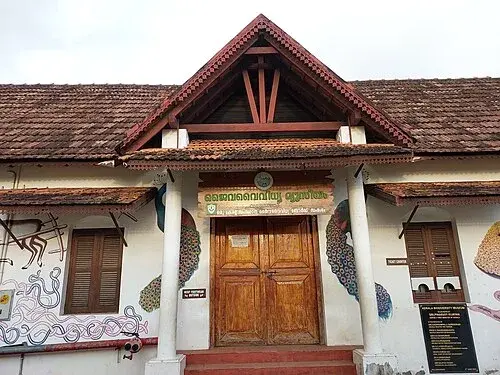 Photo: Vis M · CC BY-SA 4.0