A museum opened in December 2022 where centuries of Kerala's records written on palm leaves are displayed and explained.
At a glance
What: A museum of palm leaf manuscripts, described as the first of its kind in the world.
Where: Ground floor of the older Central Archives complex at Fort.
When: Inaugurated on 22 December 2022.
How: Short ride from the railway station or a walk from East Fort.
By whom: Established by the Government of Kerala with its archives and archaeology departments.
For whom: Students, researchers, history lovers and anyone curious about writing.
About the museum
Before paper was common, a palm leaf, an iron stylus and a practised hand preserved the affairs of a kingdom. The Palm Leaf Manuscript Museum brings that world into view. The state holds an enormous store of such leaves, more than one crore, or ten million, according to the figure published, containing the administrative records of Venad, Travancore, Cochin and Malabar. From this ocean a selection is displayed with modern audio and visual aids in eight galleries arranged by theme, ranging from the history of writing to arts and culture. Reports differ on the exact number of manuscripts on show, giving figures under two hundred.
The building
The setting has its own history. The complex has served as the Central Archives since 1962. Before that it was the Central Vernacular Records Office, and earlier still it was used as a prison and as barracks of the Nair army. It is a fitting address inside the old fort, where the machinery of the state once operated. The museum was opened by the Chief Minister on 22 December 2022.
What the leaves record
The documents on display span about six centuries, with dates from 1249 to 1896. They deal with matters of government, purchases and sales, medical procedures, punishments, servitude, agriculture, the economy, leases, tax reform and tax collection. Royal orders sit in the same tradition as accounts of paddy and records of land. Because clerks wrote about ordinary transactions, the leaves reveal lives that grand chronicles ignore: who owned fields, what was owed, how disputes were settled and how harshly some people were treated. The references to servitude are a sobering record of bonded and enslaved labour, abolished by law only in the nineteenth century.
Writing on a leaf
Leaves of the palmyra or talipot palm were cut, boiled or dried, smoothed and trimmed into long narrow strips. The writer held the leaf in one hand and scratched letters with a pointed iron instrument called a narayam. The marks were then darkened by rubbing in lamp black or a plant paste and wiping the surface. Holes allowed a cord to pass through, binding leaves between boards into a bundle called a grantha. Copying was constant work, because leaves decay in damp and are eaten by insects.
The old scripts
Visitors can see Vattezhuthu, a rounded script long used in the south, along with Kolezhuthu and Malayanma, related forms used in records. The modern Malayalam script grew mainly from another line, the Grantha related Arya ezhuthu. Displays showing transliteration let visitors follow ancient writing in Malayalam and English. Try to find a letter that resembles one used today.
Stories about palm leaves
Kerala tradition tells of astrologers and physicians whose families guarded bundles of knowledge, handing them down with care and sometimes keeping them secret. In the Malayalam literary world, accounts of poets composing on leaves, and of manuscripts rescued from kitchen smoke or attic corners, are part of the lore. Smoke in fact helped to keep insects away. The father of modern Malayalam literature, Thunchaththu Ezhuthachan, is pictured in art with leaf and stylus.
Claims and facts
Some people imagine that palm leaf manuscripts hide formulas for gold or foretell every individual's life. The records emphasised here are chiefly administrative. Claims about leaves that predict one's future, offered for a fee in some places elsewhere, have nothing to do with this museum. The description as the world's first palm leaf museum is the one used officially and in news reports.
Why preserve them?
A leaf record is evidence. Historians use such documents to date events, to trace how taxes changed, to study famine relief and irrigation and to learn which communities bore which burdens. Medical writings and notes on cultivation interest scientists as well. Families researching their locality may find that place names have shifted over centuries. Without careful storage, steady humidity, cleaning with traditional oils or modern methods and digital copies, much of this would crumble. The museum therefore serves a double purpose: it shows the public what is at stake and explains the patient labour of conservation.
An exercise for visitors
Choose one displayed document and ask four questions: who wrote it, who was meant to read it, what action it demanded and what it leaves unsaid. These are the basic questions of every historian, and they apply equally well to a modern notice or message on a phone.
From leaf to screen
Writing has moved from stone and copper plate to palm leaf, paper, print and digital file. Each change widened access and also raised the question of what would survive. The leaves here have outlasted many newer materials, a thought worth discussing with students who store everything on a phone. Pause at the final displays and consider which records of our own time people will be able to read six hundred years from now, and who will take the trouble to care for them.
Visiting
Opening hours and fees were not confirmed in the material used for this page, and archives usually follow government working days, so check before travelling. Keep bags small, do not touch glass or exhibits, avoid flash and speak quietly. Researchers who wish to consult records must apply through the archives department's procedure; the museum display is separate from research access.
One to two hours is ample. Guided explanation, if available, greatly enriches the visit.
Questions visitors ask
Will children enjoy it? Those who like codes and puzzles will, particularly if given the task of comparing scripts. Are the originals fragile? Yes, which explains controlled light and enclosed cases. Is digitisation done? The department has been working to preserve and digitise its documents.
Around the museum
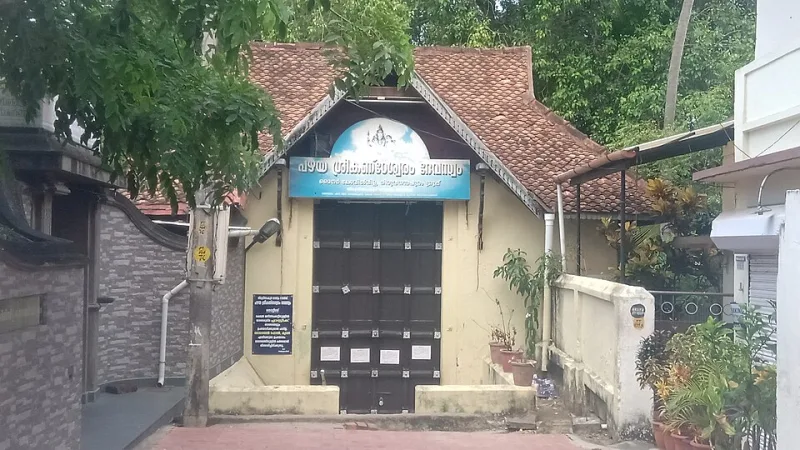
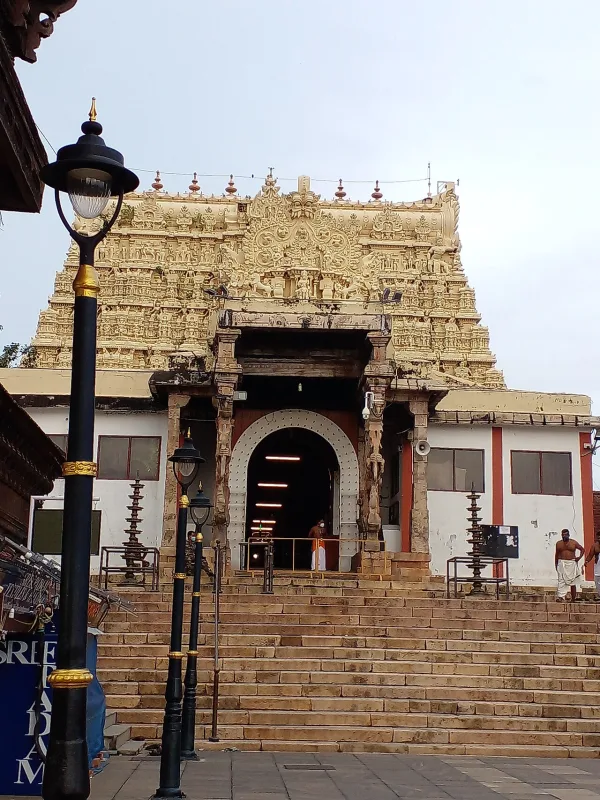
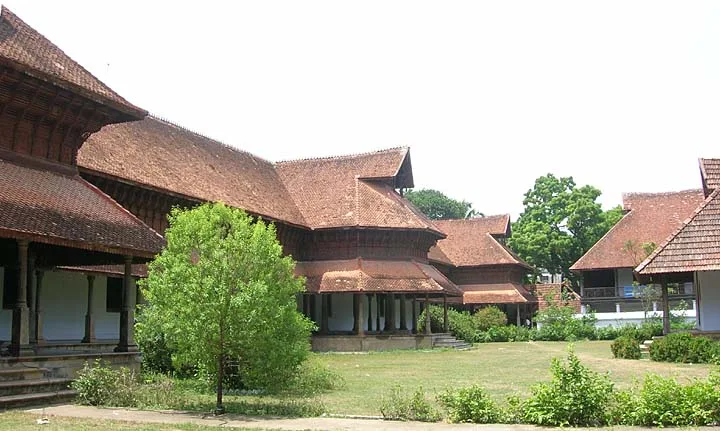
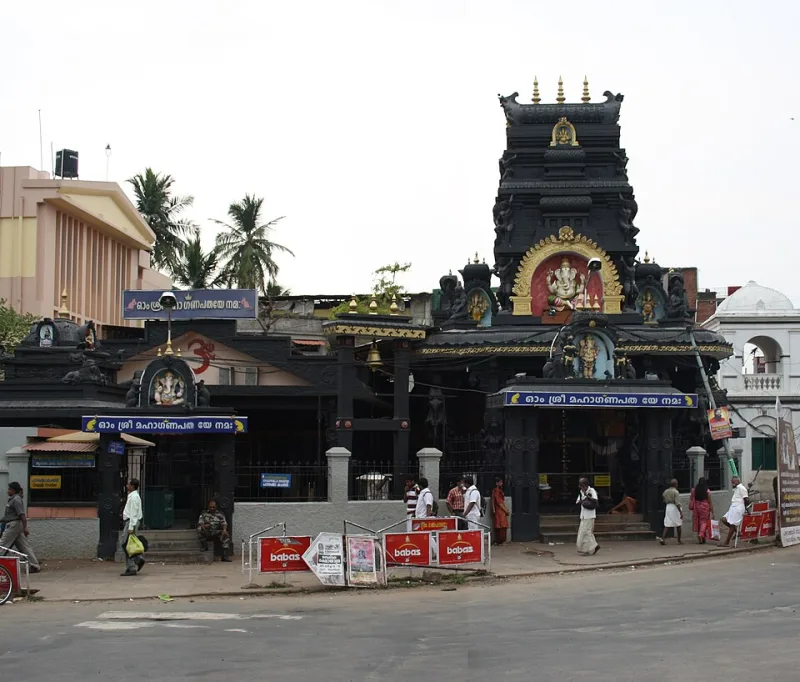
Sree Padmanabhaswamy Temple, Kuthiramalika Palace Museum, Pazhavangadi temple and the Chalai market are close by. Together they make a rewarding day in the oldest part of the city.
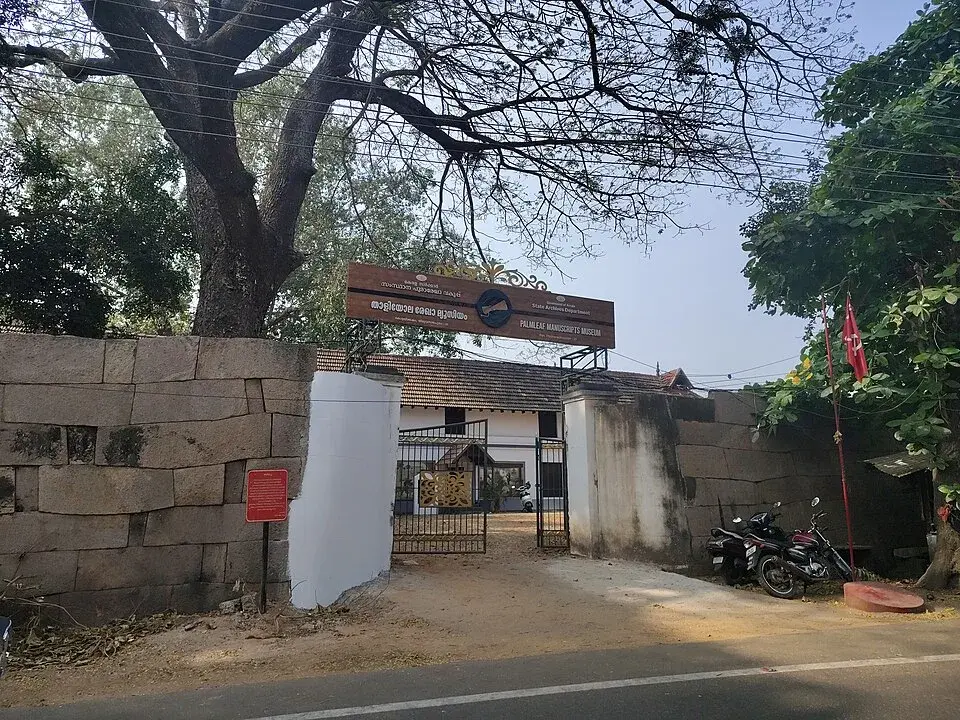 Photo: Manukrishnan80 · CC BY-SA 4.0