A cherished Shiva temple more than seven centuries old by tradition, where the deity is worshipped as Gauri Shankara.
At a glance
What: A Shiva temple where the Lord and the goddess are honoured together.
Where: Sreekanteswaram, in the old quarter of Thiruvananthapuram.
When: Tradition gives an age of more than 700 years; the festival falls in the month of Dhanu.
How: A few minutes from East Fort or Thampanoor.
By whom: Managed by the Travancore Devaswom Board.
For whom: Devotees of Shiva and visitors who follow temple custom.
About the temple
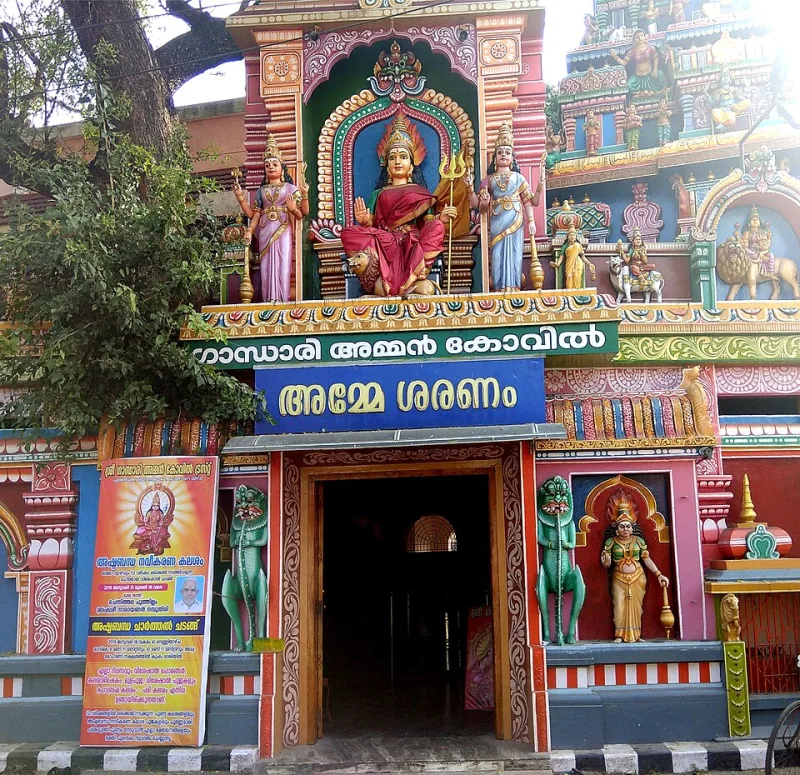
A few streets from the crowds of East Fort stands a temple that many families of the capital regard as their own. At Sreekanteswaram Shiva is the presiding deity under the name Gauri Shankara, meaning Shiva together with Parvati. The goddess has no separate image in the sanctum, yet she is understood to be always present there, an idea that expresses the unity of the divine pair.
Within the inner enclosure is a shrine of Sastha, while Ganapathi, the serpent deities and Krishna have places outside it. Carvings of Hanuman and Subrahmanya on pillars near the flagstaff receive worship of their own, and all the deities face east. Beside the Ganapathi shrine is an image of Parashakti that is said to have been worshipped earlier in a neighbouring kalari according to shakta custom. A figure honoured as Bhootathan, an attendant of Shiva, is argued by many devotees to be in fact a yakshi.
History
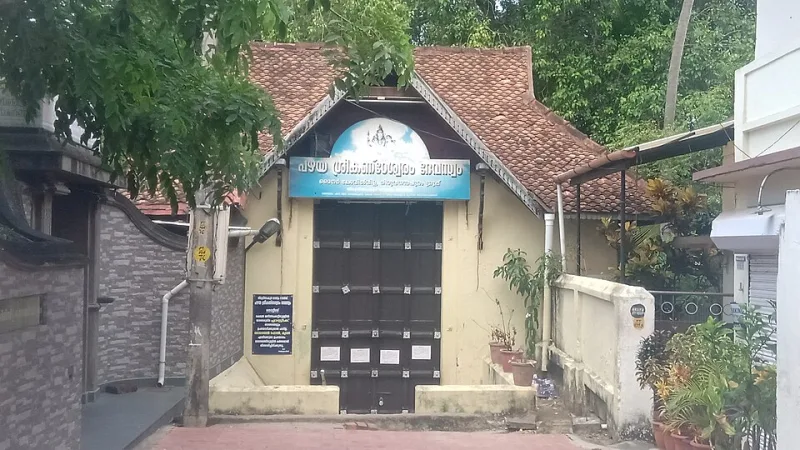
The temple is said to be more than seven hundred years old. A related shrine known as Pazhaya Sreekanteswaram, the old Sreekanteswaram, is regarded as the original seat of the deity, and worship at the present temple is traced to it. As the capital of Travancore grew around the royal fort, the temple became one of the principal Shiva shrines of the city, and it is now under the Travancore Devaswom Board.
The neighbourhood has literary memory too: the compiler of the great Malayalam dictionary Sabdatharavali is widely known as Sreekanteswaram Padmanabha Pillai, after this locality.
The legend of discovery
The founding story gives the honour to a humble worker. An old woman who swept the old temple sat down to rest one day and noticed a stone that revealed itself as a self manifested linga, and there she received a vision of Shiva. Such swayambhu accounts occur at many temples, and their point is that the divine chooses whom to meet, regardless of rank. The tale is still told to explain the devotion attached to the original site.
Worship and festivals
The first viewing of the day, the nirmalya darshan, when the deity is seen still adorned from the night before, draws many early worshippers. Popular offerings include prayers and rituals to Mrityunjaya, the conqueror of death, for health and long life, the continuous pouring of water over the linga, lamps and garlands, and a butter offering to Hanuman.
The annual festival lasts ten days in the month of Dhanu, in December and January, and ends with the ritual bath on the day of the Thiruvathira star, regarded as the birthday of Shiva. Many women observe a fast and traditional dances at Thiruvathira. On Maha Shivaratri the linga is anointed with pure ghee throughout the day, and crowds are large.
Beliefs and good sense
Devotees believe that the Mrityunjaya rites protect against illness and untimely death. They are acts of prayer and should accompany, never replace, medical care. Offerings are booked at the temple counter at published rates; be careful with private requests for money. Opinions differ about the identity of certain subsidiary images, as the account of Bhootathan shows, and a respectful visitor can enjoy the variety of local understanding without needing to settle it.
What the offerings mean
For newcomers, the names on the offering board can be puzzling. Dhara is the slow, continuous pouring of liquid over the linga from a vessel hung above, meant to cool and honour the god. Abhishekam is ritual bathing with water, milk, ghee or other substances. Archana is the recitation of divine names with the offering of flowers or leaves in the devotee's name and birth star. A homam is an offering made into a consecrated fire. Pinvilakku is a lamp lit behind the main deity, often offered by couples for harmony. A garland of kuvalam leaves, the three lobed leaf of the bael tree, is among the dearest gifts to Shiva.
Mrityunjaya prayers draw on an ancient Vedic verse addressed to the three eyed god, asking to be released from death as a ripe fruit leaves its stalk. Families often arrange them around illness, surgery or a birthday.
Shiva and Parvati together
The name Gauri Shankara places the couple in a single title. Hindu thought expresses the same union in the image of Ardhanarishvara, half man and half woman, and in the saying that Shiva without Shakti cannot act. At Sreekanteswaram this is expressed quietly, through the belief in the goddess's unseen presence in the sanctum. Devotees therefore bring prayers for marriage and family peace alongside prayers for health.
The old city around the temple
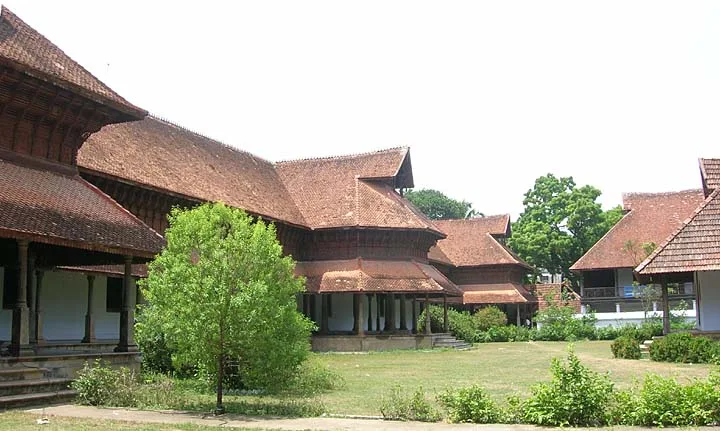
The quarter around East Fort grew up with the palace and its great Vishnu temple. Narrow streets, traditional houses, small shops selling flowers and lamps, and the nearness of several shrines give it a character different from the newer city to the north. Walking here in the early morning, one hears bells and recitation from more than one direction. Notice the older tiled roofs that survive between newer buildings.
Questions visitors ask
Which day is best? Monday is associated with Shiva, and the thirteenth lunar day known as Pradosham brings special evening worship at Shiva temples generally; expect more people then. Is the annual bath procession public? Festival processions can be watched from the roadside, following police and volunteer guidance.
Visiting
Men remove shirts, women dress modestly, footwear stays outside and phones should be silent. Walk around the shrine in the manner devotees of Shiva observe, turning back at the water outlet of the sanctum without crossing it. Photography inside is usually prohibited. The temple closes for part of the day, so check timings.
Forty five minutes to an hour is sufficient. The lanes are narrow and parking limited.
Around Sreekanteswaram
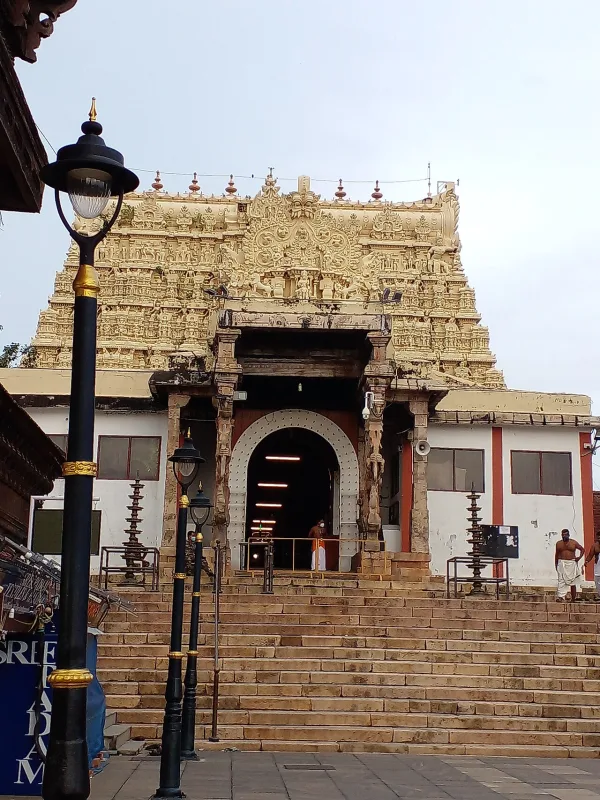
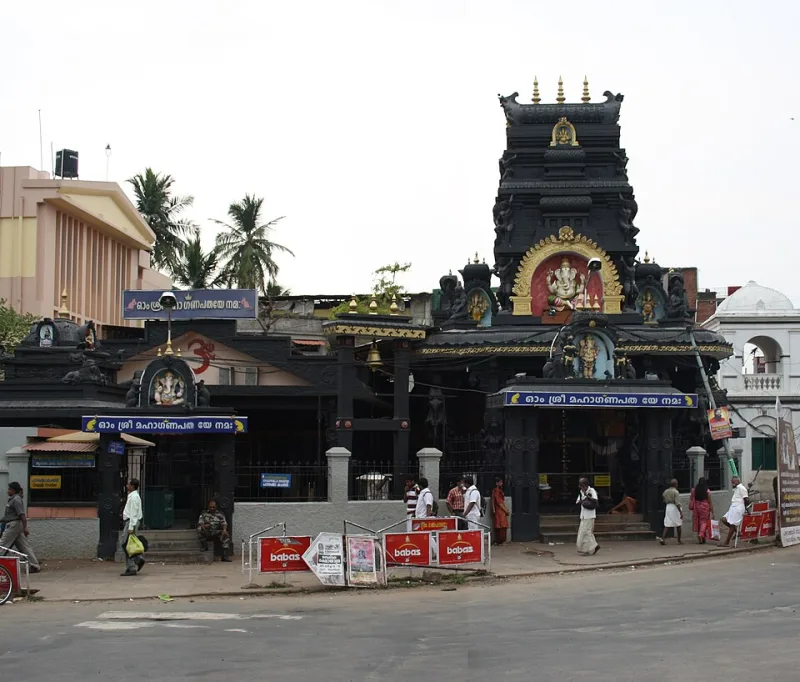
Sree Padmanabhaswamy Temple, the Pazhavangadi Ganapathy Temple, the Sreevaraham temple with its great tank and the Chalai market are all within a short distance, so a single morning can include several shrines of old Thiruvananthapuram, followed by a visit to the palace museum beside the fort.