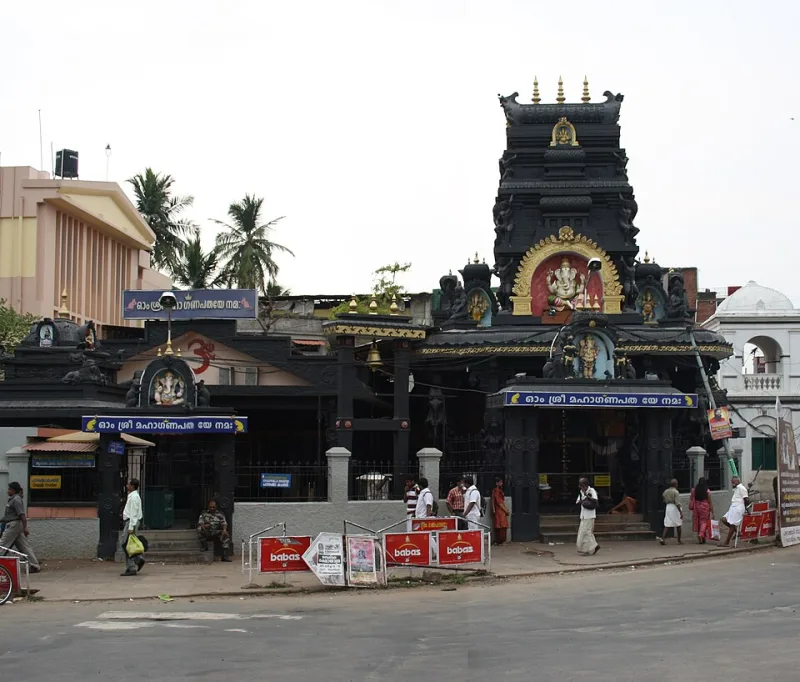
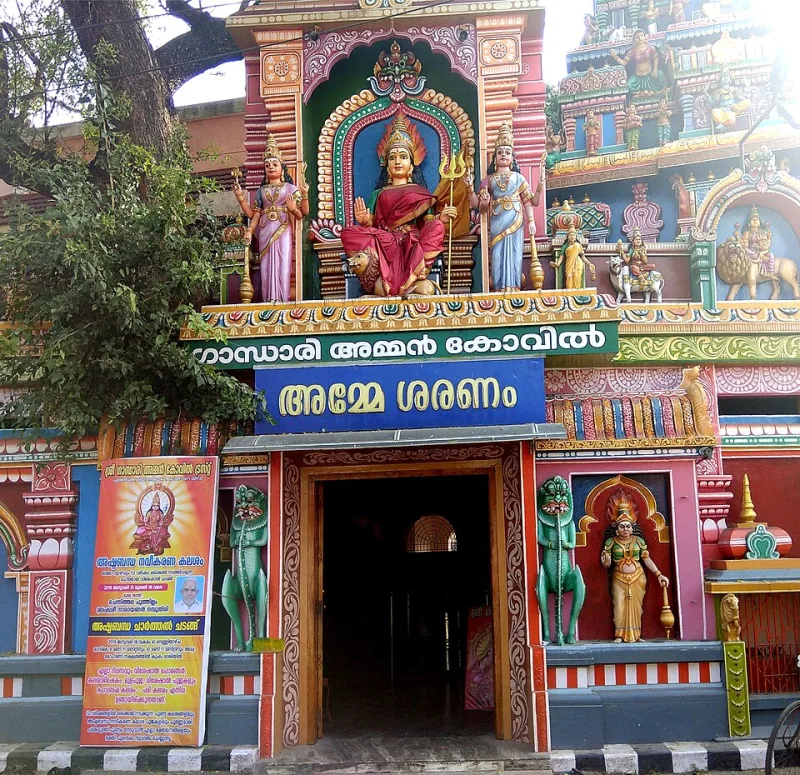
The older Sreekanteswaram shrine of Shiva and Vishnu in the city, held to be the first home of the deity now worshipped at the well known Sreekanteswaram temple.
At a glance
What: An old temple of Shiva, with Krishna installed later.
Where: Puthenchantha in central Thiruvananthapuram.
When: Daily worship; Shivaratri is important.
How: On foot or by autorickshaw from the Secretariat or East Fort side.
By whom: Temple management and priests.
For whom: Devotees and students of the city's early history.
The older Sreekanteswaram
The capital has a famous Sreekanteswaram temple outside the North Fort. This smaller shrine at Puthenchantha is called Pazhaya, or old, Sreekanteswaram, because it is regarded as the original abode of the Lord who is worshipped at the newer temple. The two should be visited as separate places.
Antiquity
The historian Elamkulam Kunjan Pillai held that the temple had existed since at least 1000 CE. Such a date, if accepted, makes it one of the early landmarks of a city whose better known buildings are mostly from the eighteenth century onward. The present structures may of course have been renewed many times.
On the royal route
Another scholar, M. G. Sasibhooshan, noted that the old temple lay on the route taken by the Travancore ruler and his retinue for the pallivetta, the royal hunt ceremony of the Padmanabhaswamy temple festival. This connects the shrine with the ritual geography of the old capital.
The linga
Shiva is worshipped as the linga of Sreekanteswara, believed to have been installed by Parashurama. Sreekantha means he of the beautiful or auspicious throat, a name recalling the poison that Shiva held there to protect the worlds.
Sage Kanwa
Devotees believe that the resting place, or samadhi, of the sage Kanwa lies within the precincts. Kanwa is famous in literature as the foster father of Shakuntala. A nearby pond called Chettikulam, filled in decades ago, is named Kanva Tirtha in old works about the city, which gave rise to the idea that a hermitage of Kanwa once lay here.
Old texts
Works such as the Syanandura Purana Samuchaya and the Anantapura Varnana describe the sacred places of the city of Ananta, the old literary name linked with Thiruvananthapuram. Their references help trace how ponds and shrines were remembered, although devotional geography should not be read like a modern survey.
Krishna's shrine
Krishna was installed later, according to the temple account, to temper the fierce power of Shiva. Pairing Shiva and Vishnu in one compound is welcomed in Kerala, where devotion often moves easily between the two. Ganapati and the serpent deities are also worshipped. All the images face east.
A story of a curse
A long tale tells of a holy Brahmin of the Athiyara house who was praying here when a young prince behaved cruelly toward a girl in the temple. The Brahmin cursed him to become half man, half horse and to serve for years, promising release through the grace of Sreekanteswara. It is a moral legend about restraint and justice, not a historical record.
Offerings to Shiva
The popular offerings include Mrityunjaya homam and archana, jaladhara, the pinvilakku or rear lamp, and the presentation of a garland of koovalam leaves. The pinvilakku is lit behind the sanctum, a place associated in many temples with Parvati and with prayers for married harmony.
Jaladhara
In jaladhara a vessel with a small opening is hung above the linga so that water falls drop by drop or in a thin stream while prayers are recited. It is believed to cool the fierce energy of the deity and to relieve the devotee's troubles. The sight is quiet and absorbing.
Shivaratri
Maha Shivaratri is observed with fasting, special bathing of the deity and a night vigil. In the capital, many people visit more than one Shiva temple that night, and this old shrine is a natural stop alongside the newer Sreekanteswaram. Expect queues and arrangements by volunteers.
The market quarter
Puthenchantha means the new market. The name belongs to a trading quarter that grew near the fort as the town expanded. Shops now press close, and the temple offers a pause from traffic. Looking for older ponds, wells and wall lines helps one imagine the earlier landscape.
What is lost and kept
The filling of Chettikulam is typical of how city ponds disappeared in the twentieth century. With them went bathing places, groundwater recharge and parts of ritual life. Temple records and the memory of families are now the chief witnesses, which is why they are worth preserving.
Visiting with respect
Remove footwear, dress modestly and follow temple custom on shirts. Keep to the clockwise path, observing the rule at the Shiva sanctum drain. Do not take photographs inside, and give priests room to carry out their work.
Getting there
Thiruvananthapuram Central station and the Thampanoor bus stand are about a kilometre or two away, and East Fort is close. The city airport is a short drive. Autorickshaws are best, since parking is very limited.
When to come
Early morning before the shops open is the quietest hour. Pradosham and Mondays draw more devotees. The cooler months make a walking round of old city temples comfortable.
Nearby places
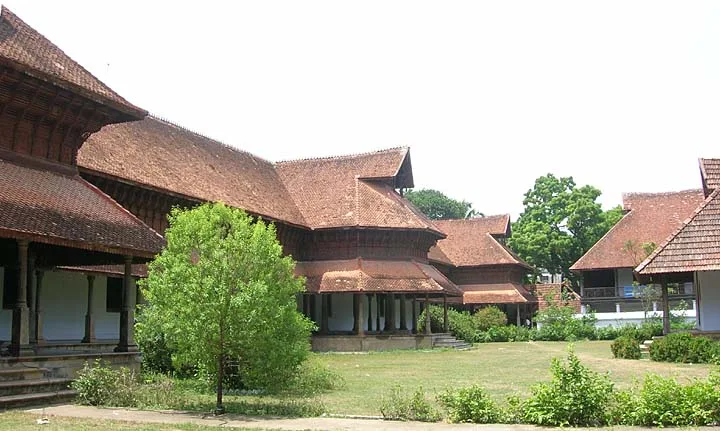
Sreekanteswaram Mahadeva temple, the Sree Padmanabhaswamy temple and Kuthiramalika palace museum at East Fort, the Secretariat building and Palayam's cluster of shrines are all within easy reach.
Facilities
City facilities surround the temple: food, banks, pharmacies and transport. There is no entry fee. Use the temple counter for offerings.
Two temples, one devotion
Someone with a morning to spare can visit both Sreekanteswaram shrines and compare them: the broad, busy temple with its crowds and the compact older one among the market lanes. Ask priests at each how they understand the connection. The answers show how communities remember the movement of a deity's seat from one place to another.
How to read the dates
A statement that a temple existed by a certain century usually rests on a mention in a record or literary work, or on the style of its stonework. It does not mean the walls now standing are that old. Renovation is a normal and respected act in temple life, so age and appearance often differ widely.
Lamps and quiet
Evening brings the lighting of oil lamps around the shrine. The contrast with the street outside is striking. Pause for the lamp worship if you can, keep to the side and let those who have come to pray stand in front.
Help complete this page
If your family has served or worshipped at this shrine for generations, your account of its festivals and repairs would be a welcome addition through the links on this page.
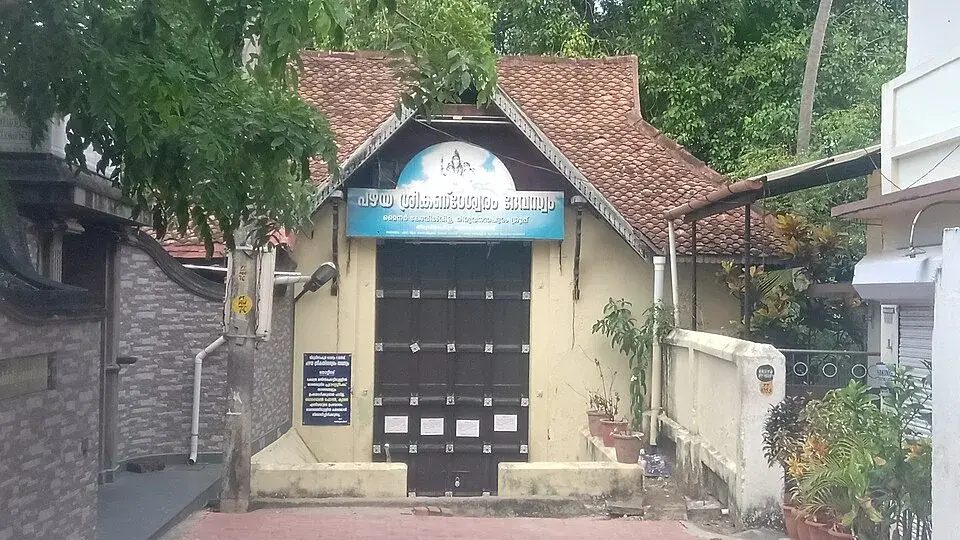 Photo: Ramkumar Kalyani · CC BY-SA 4.0